Sefwi Bekwai Area · Western North Region · Ghana · 2019–2021
Development begins with showing up.
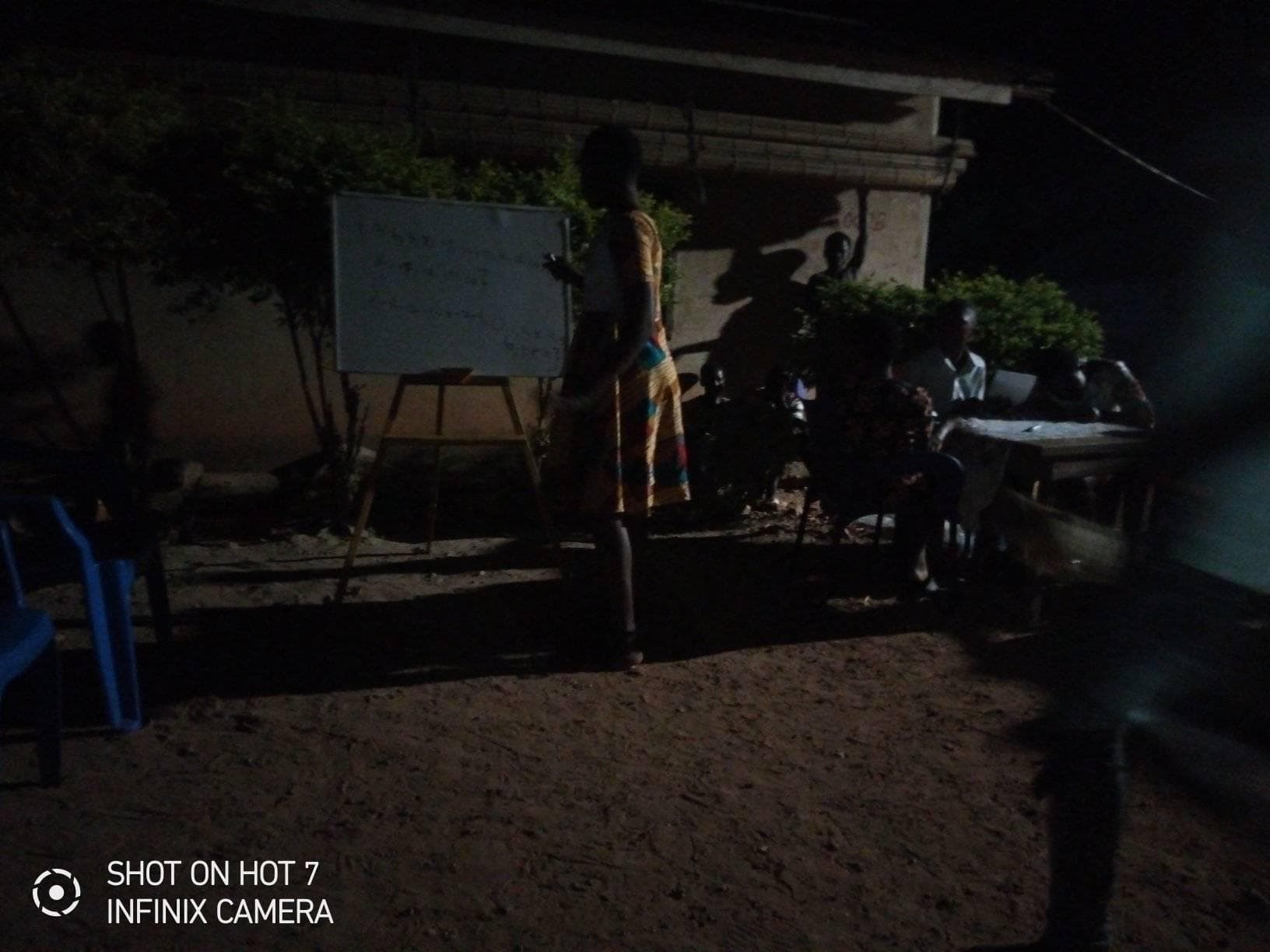
Before the research papers and the international platforms, Richard spent years doing the unglamorous, indispensable work: teaching children in the dark, sweeping streets with community members, and walking to villages that had no clean water. This is the foundation everything else was built on.
SDG 4 · Quality Education · 2019–2021
Free teaching during COVID-19 lockdowns.
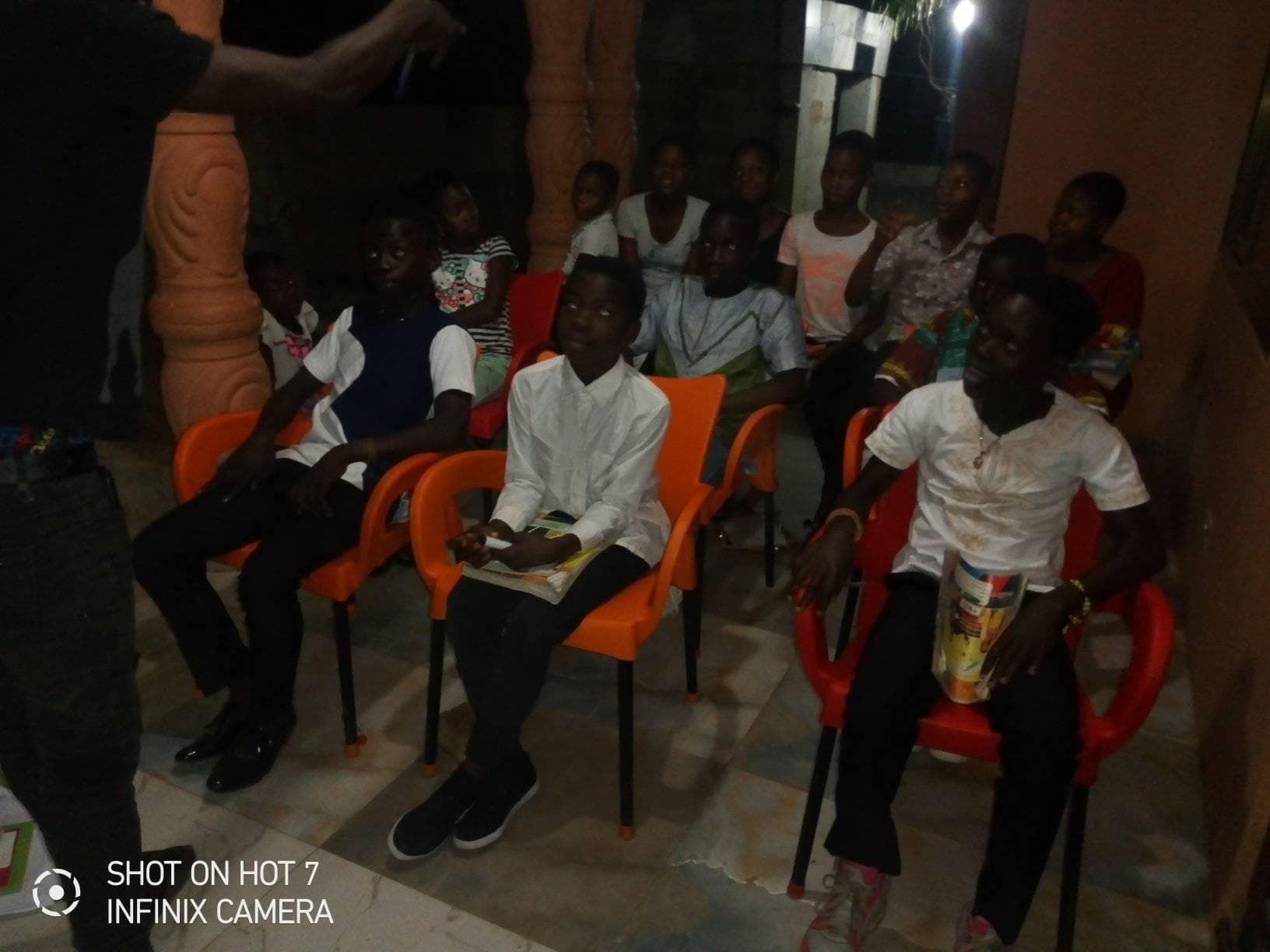
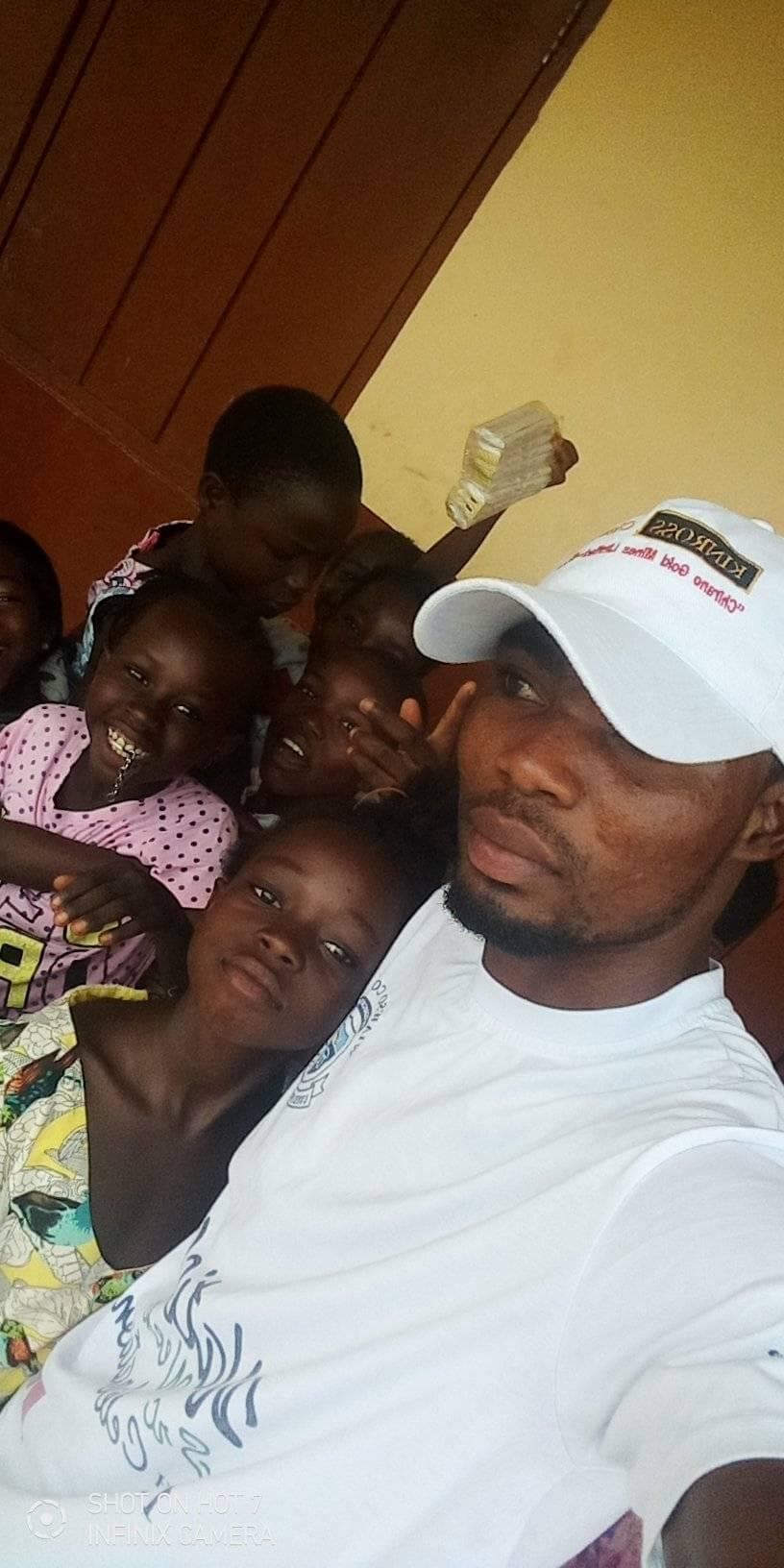
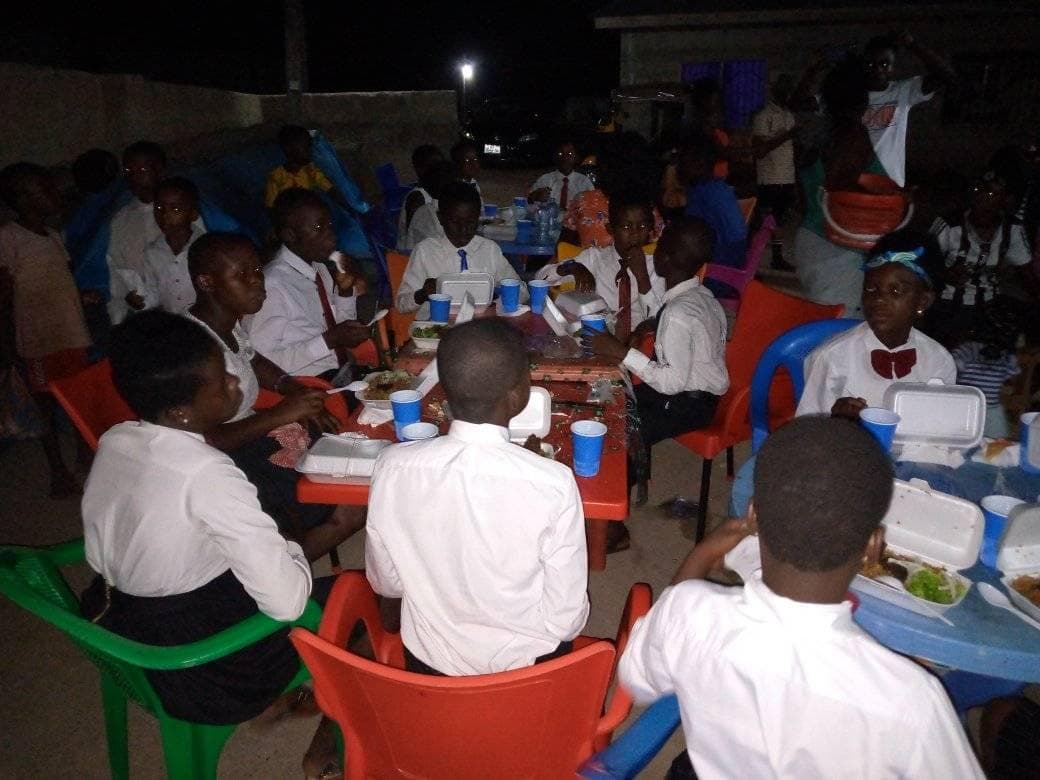
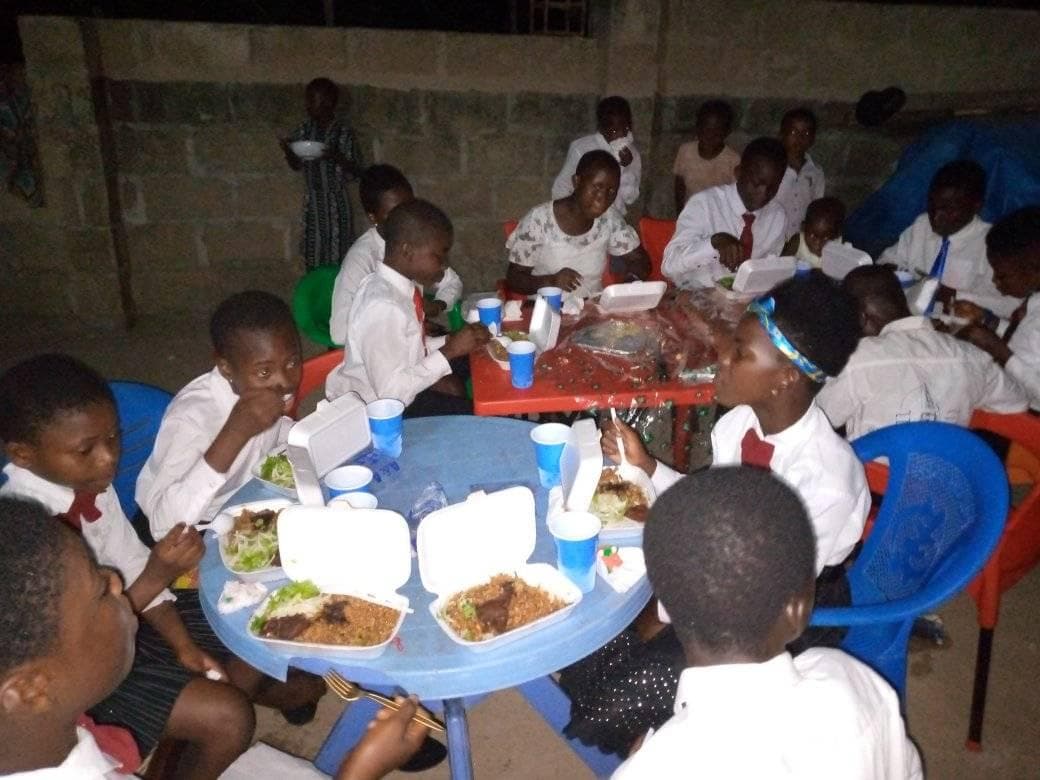
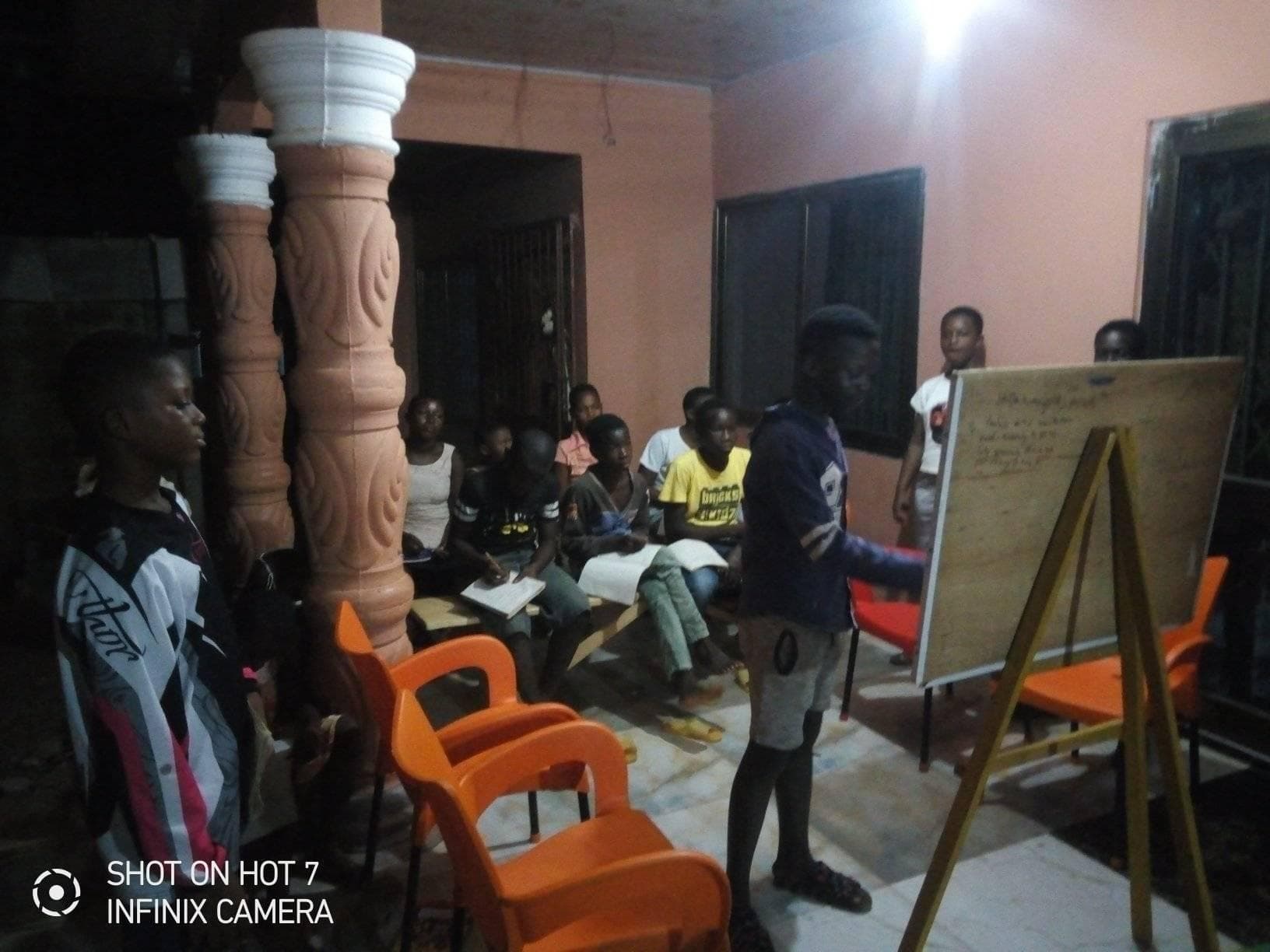
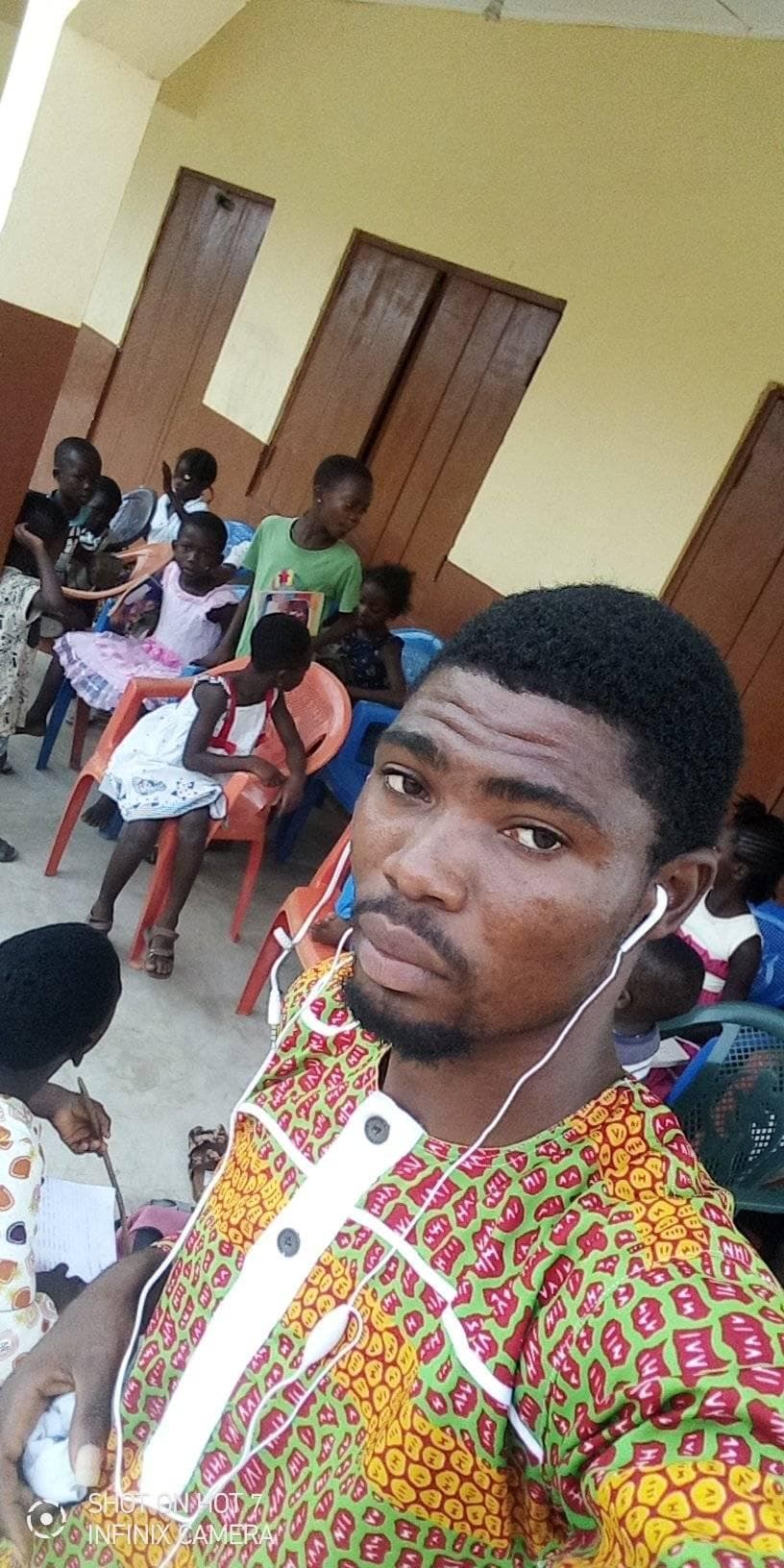
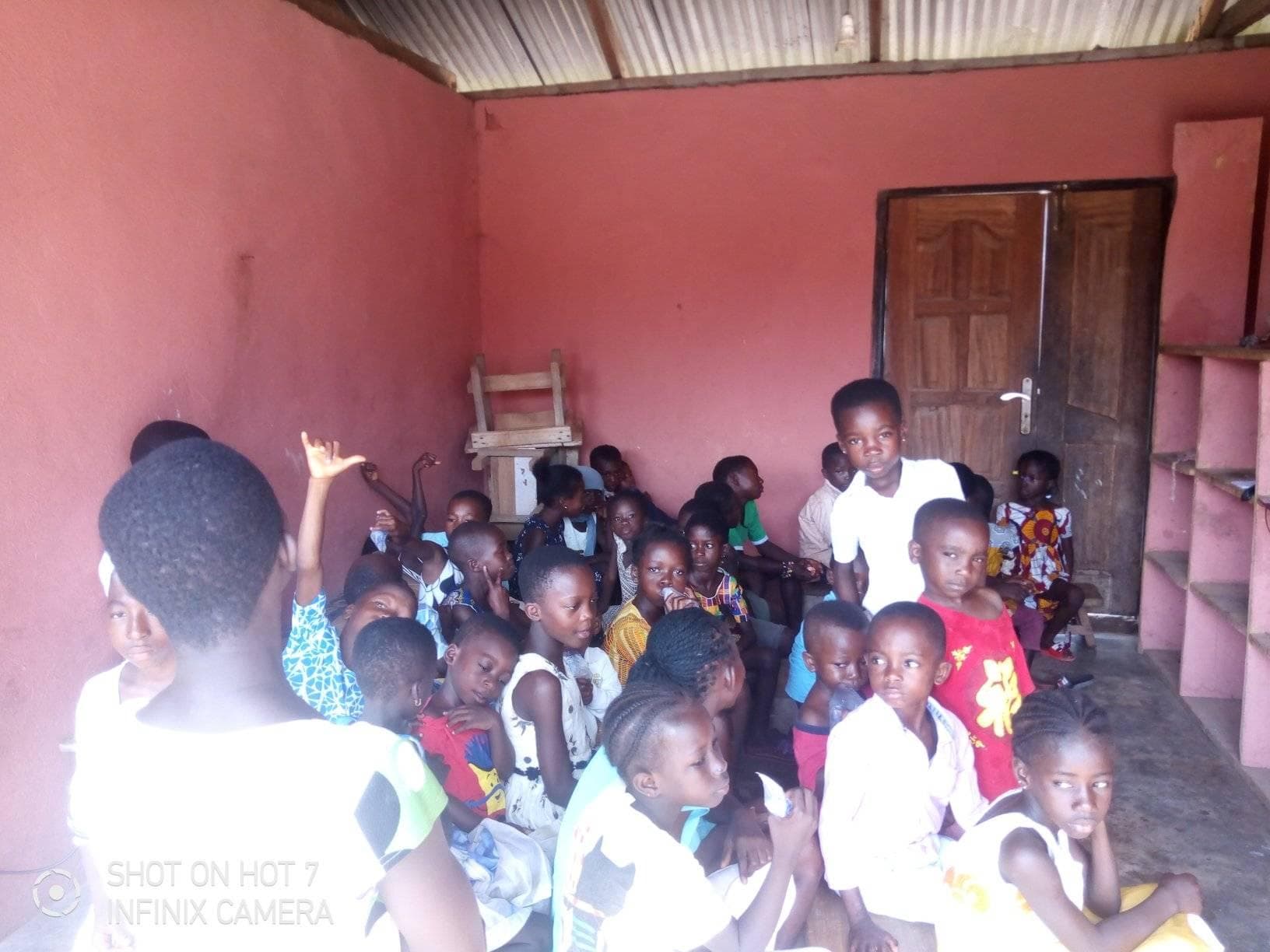
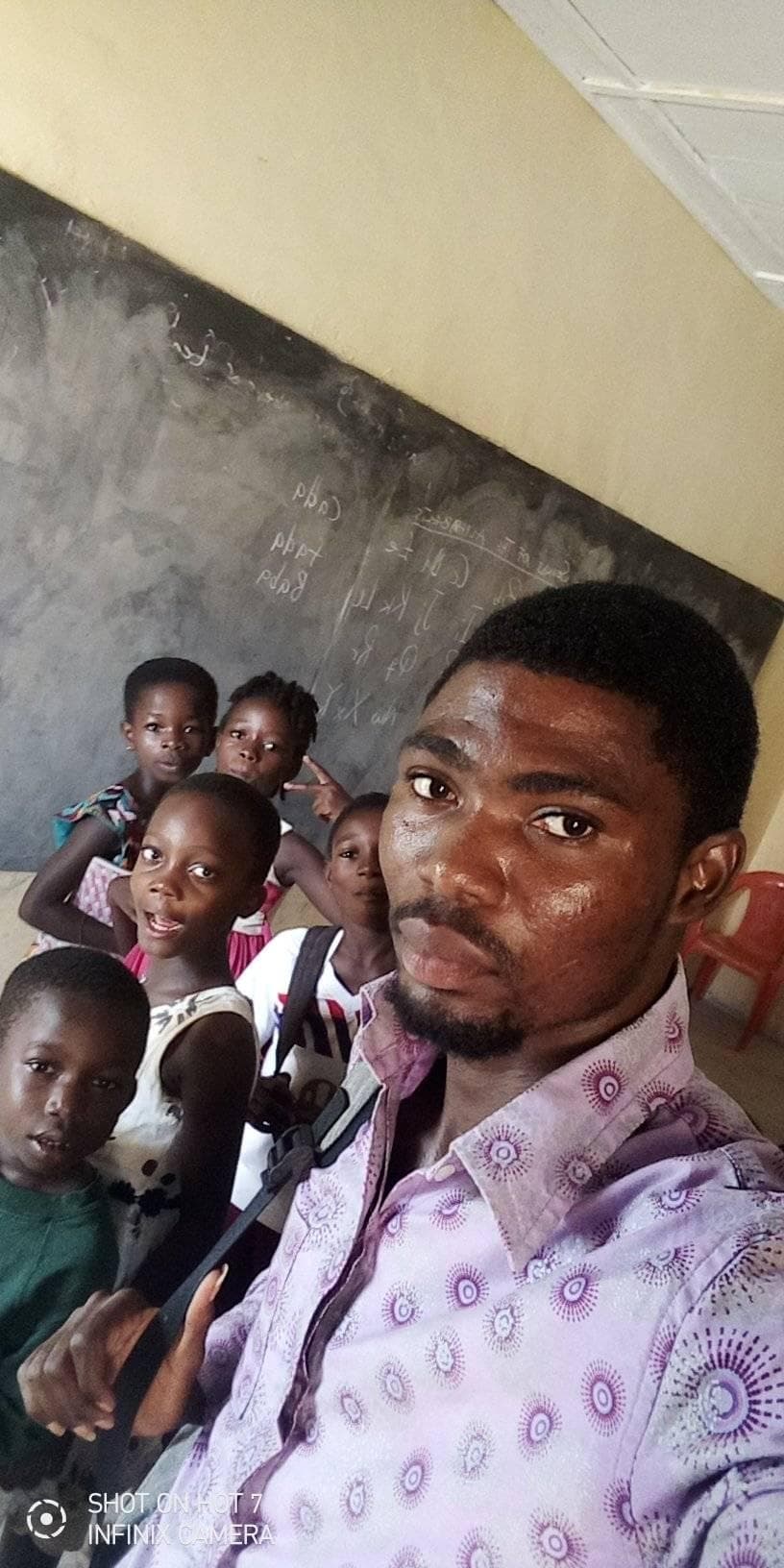
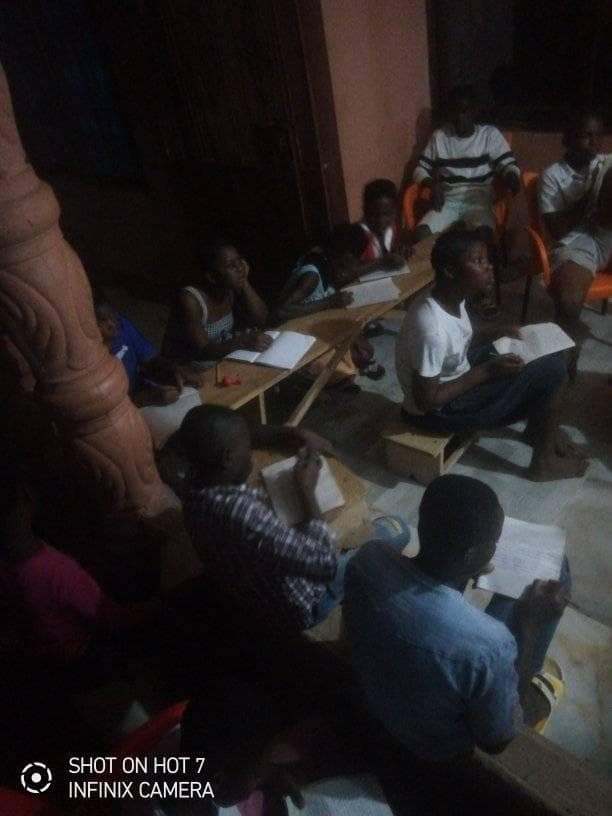
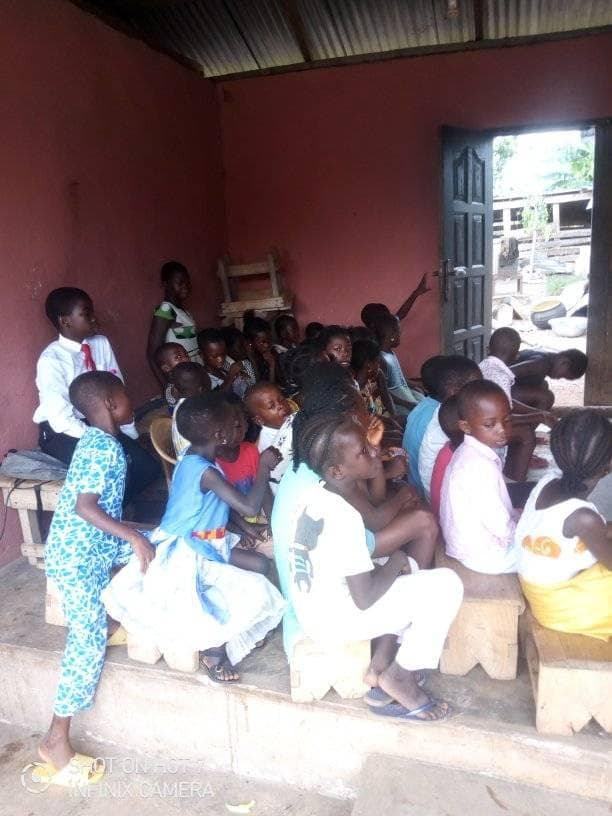
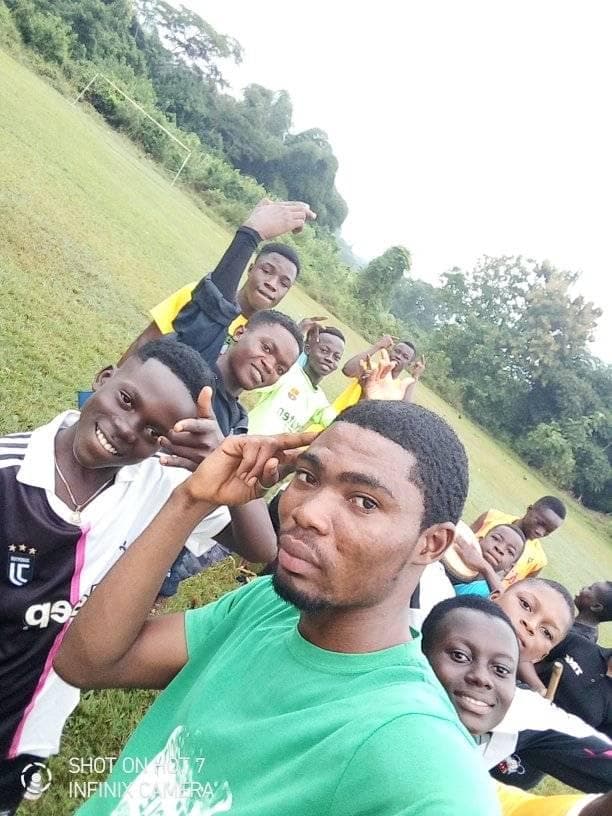
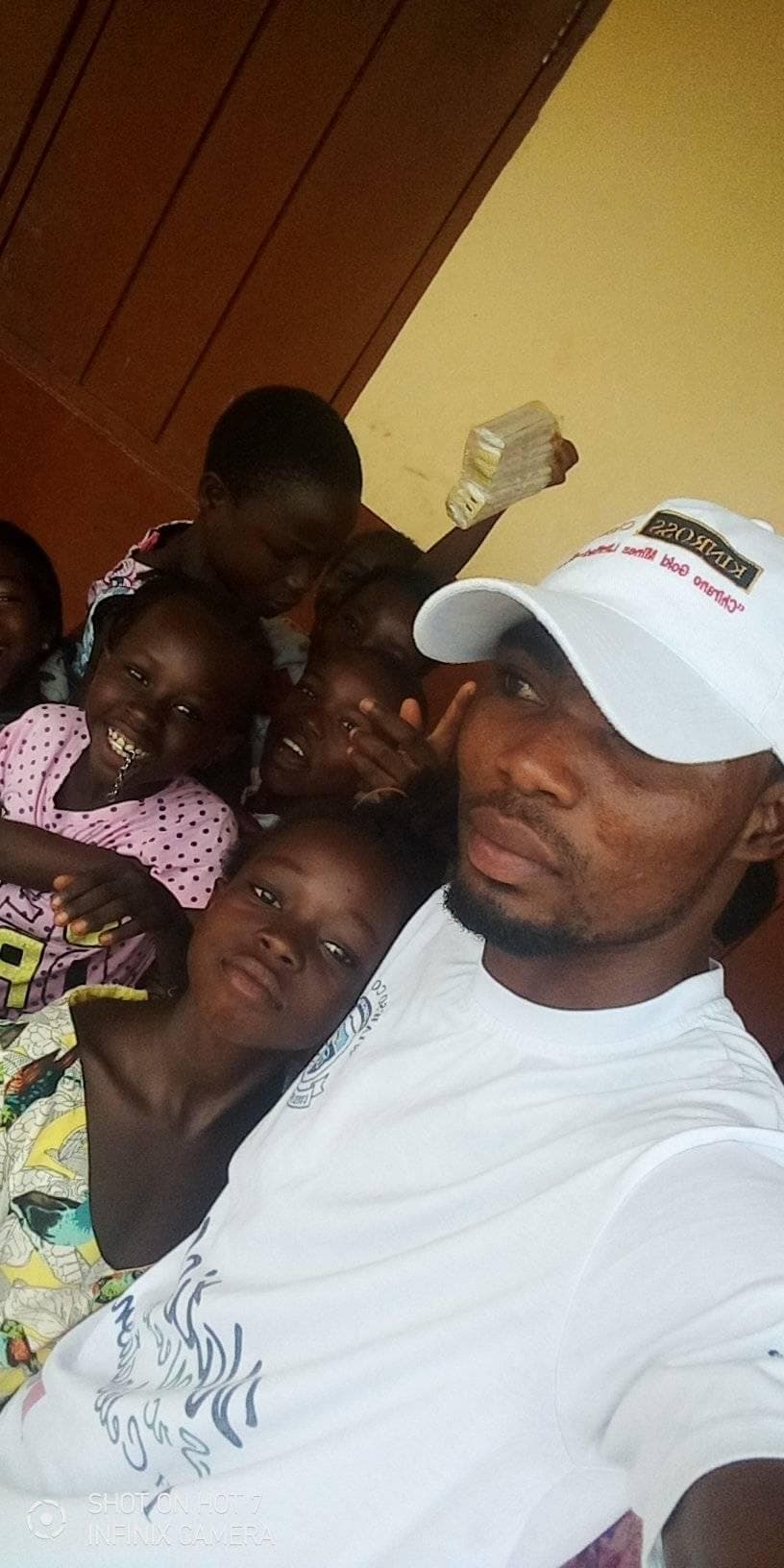
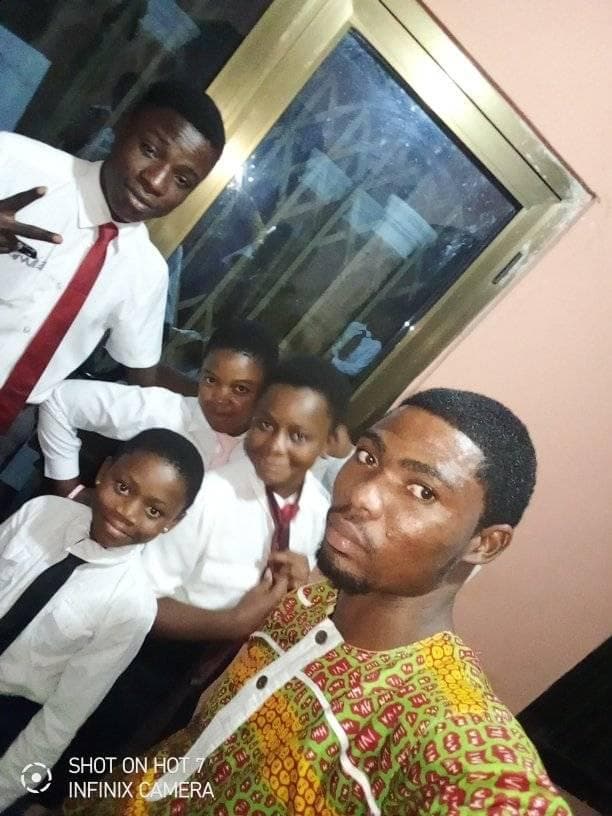
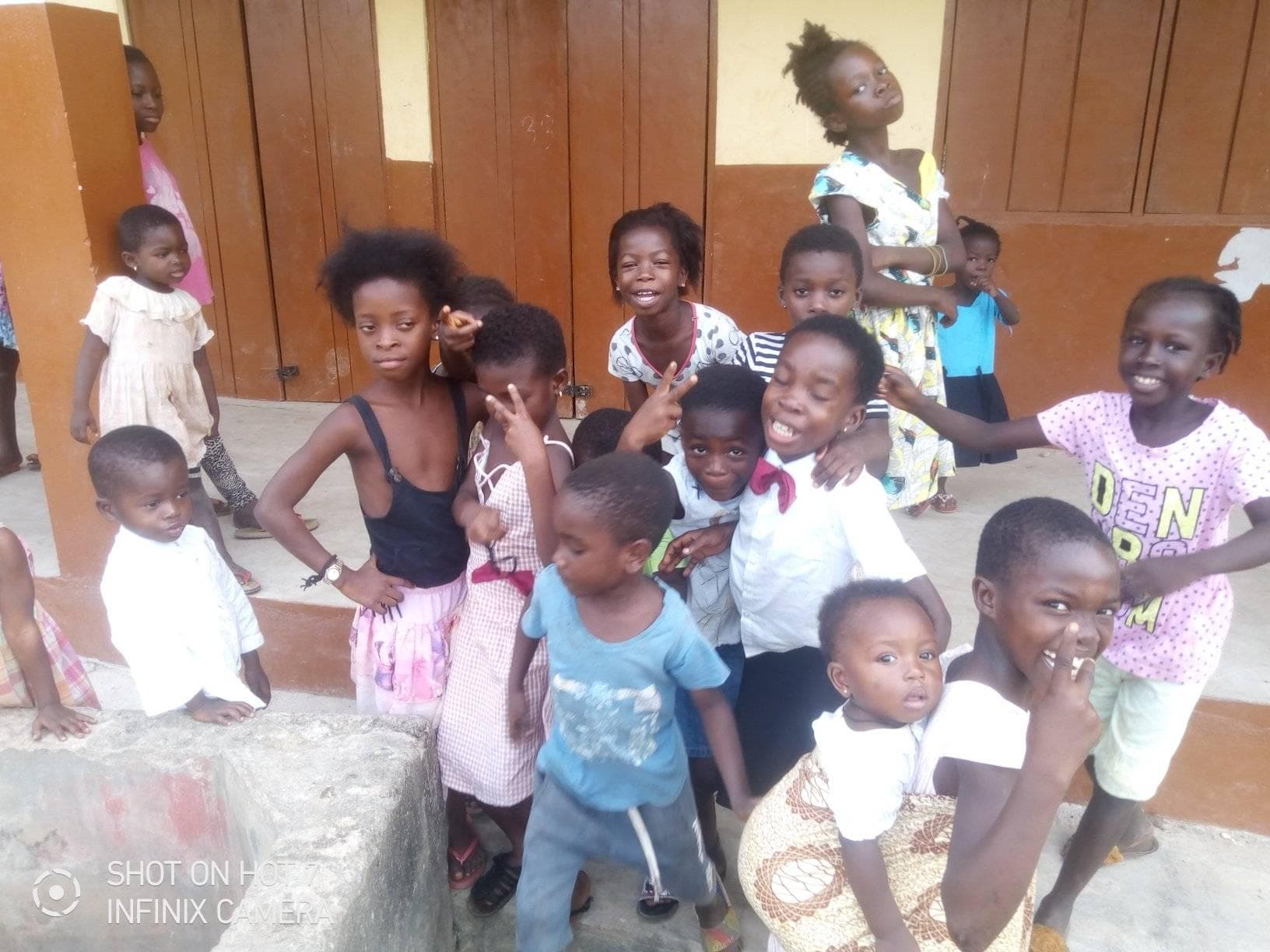
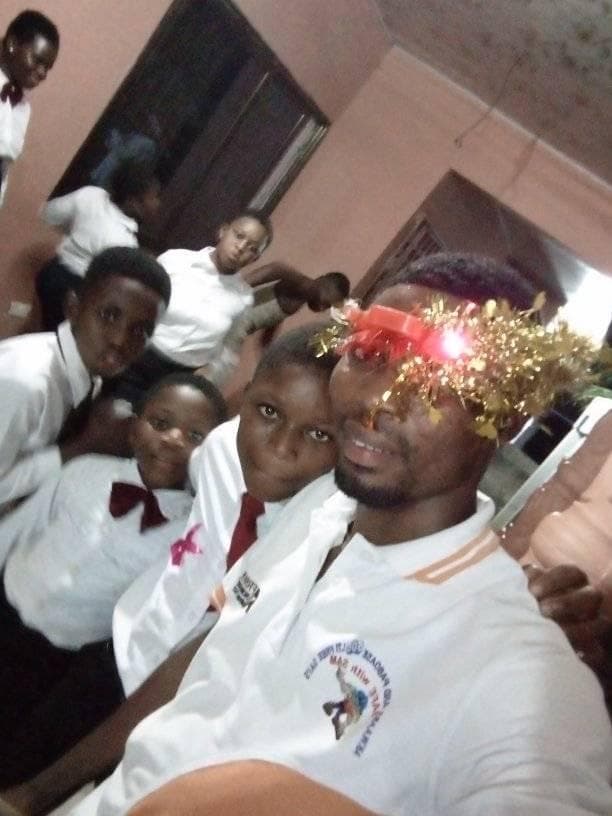
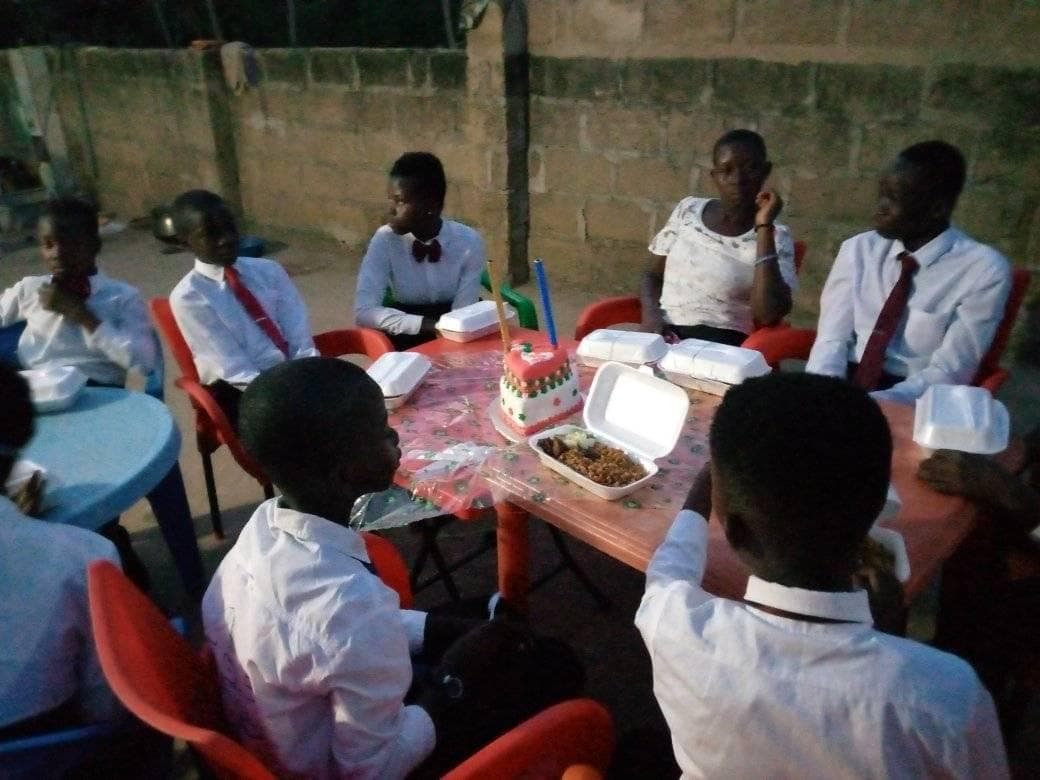
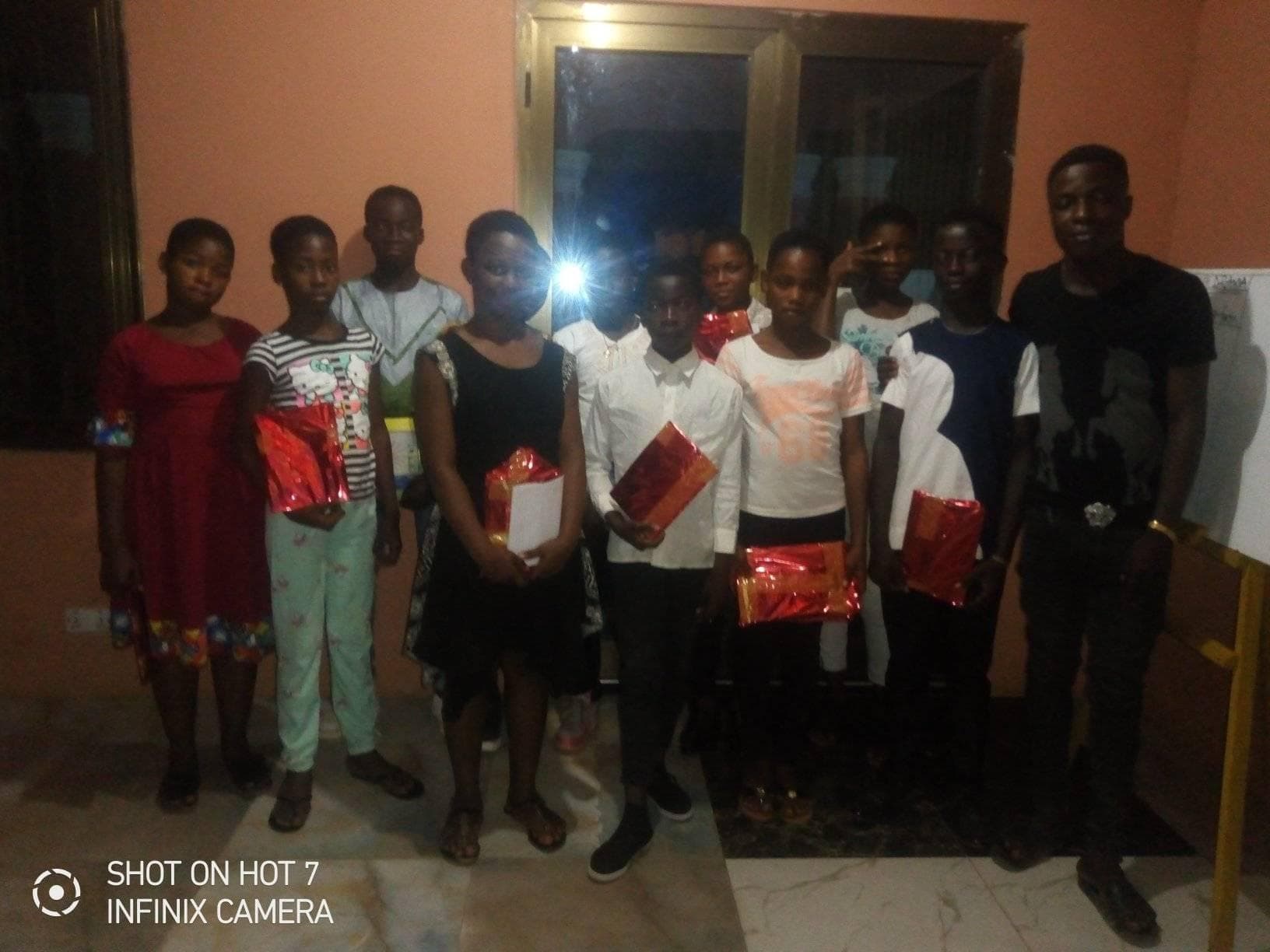
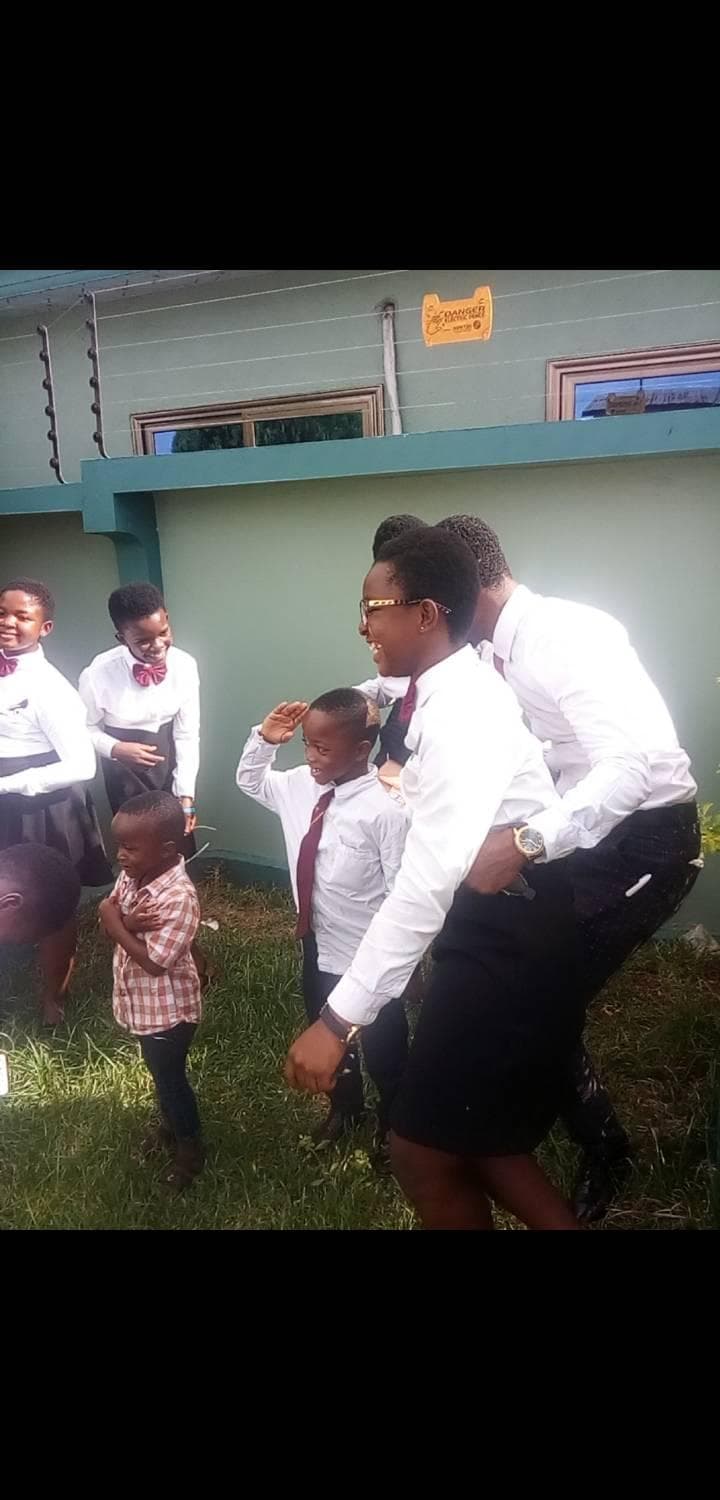
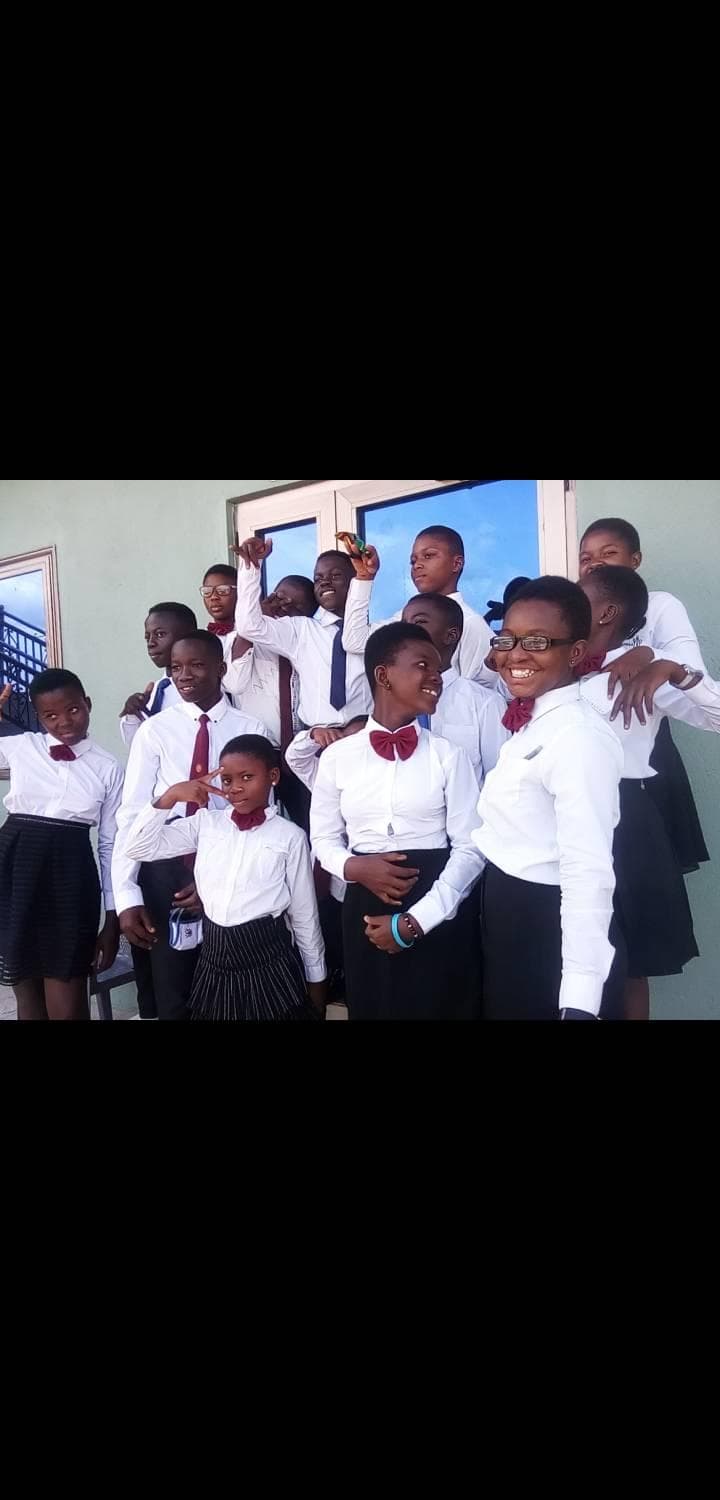
When schools closed across Ghana during the COVID-19 pandemic, Richard organised and delivered free volunteer teaching sessions across the Sefwi Bekwai area, at DonkorKrom, Barkokrom, Sukuuku, Lowcost, Bekwai Township, and Apemkrom. He held night classes to accommodate children whose days were occupied with household responsibilities, and morning sessions for younger learners. He organised quizzes, gift distributions, and community parties to sustain motivation and attendance. When the systems failed, he showed up. That is what leadership looks like in communities that cannot wait for policy decisions.
Beyond the classroom
Quizzes, gifts, and parties to keep children coming back.
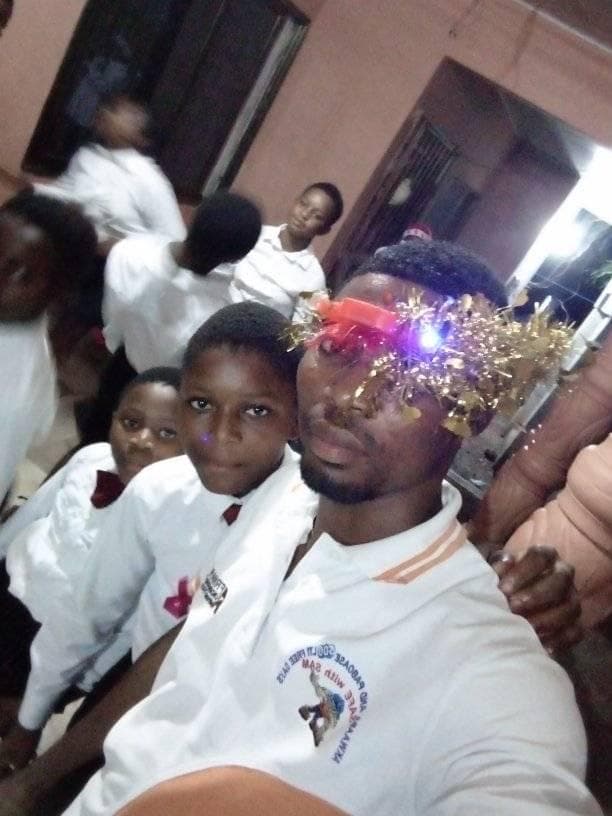
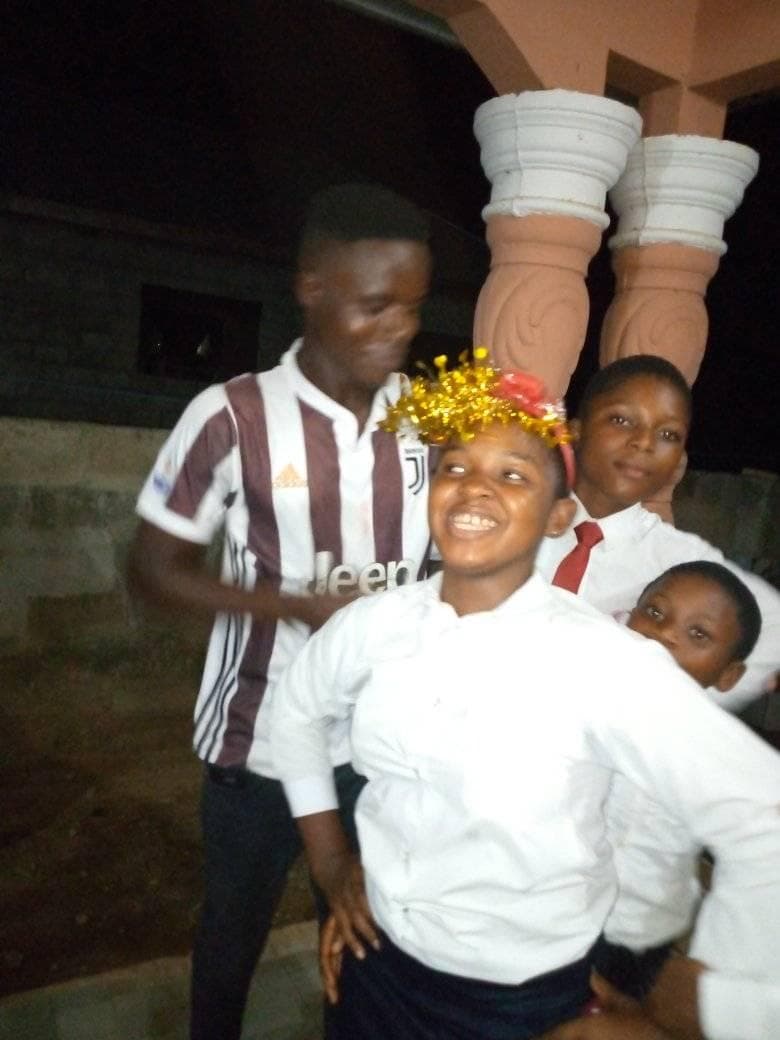
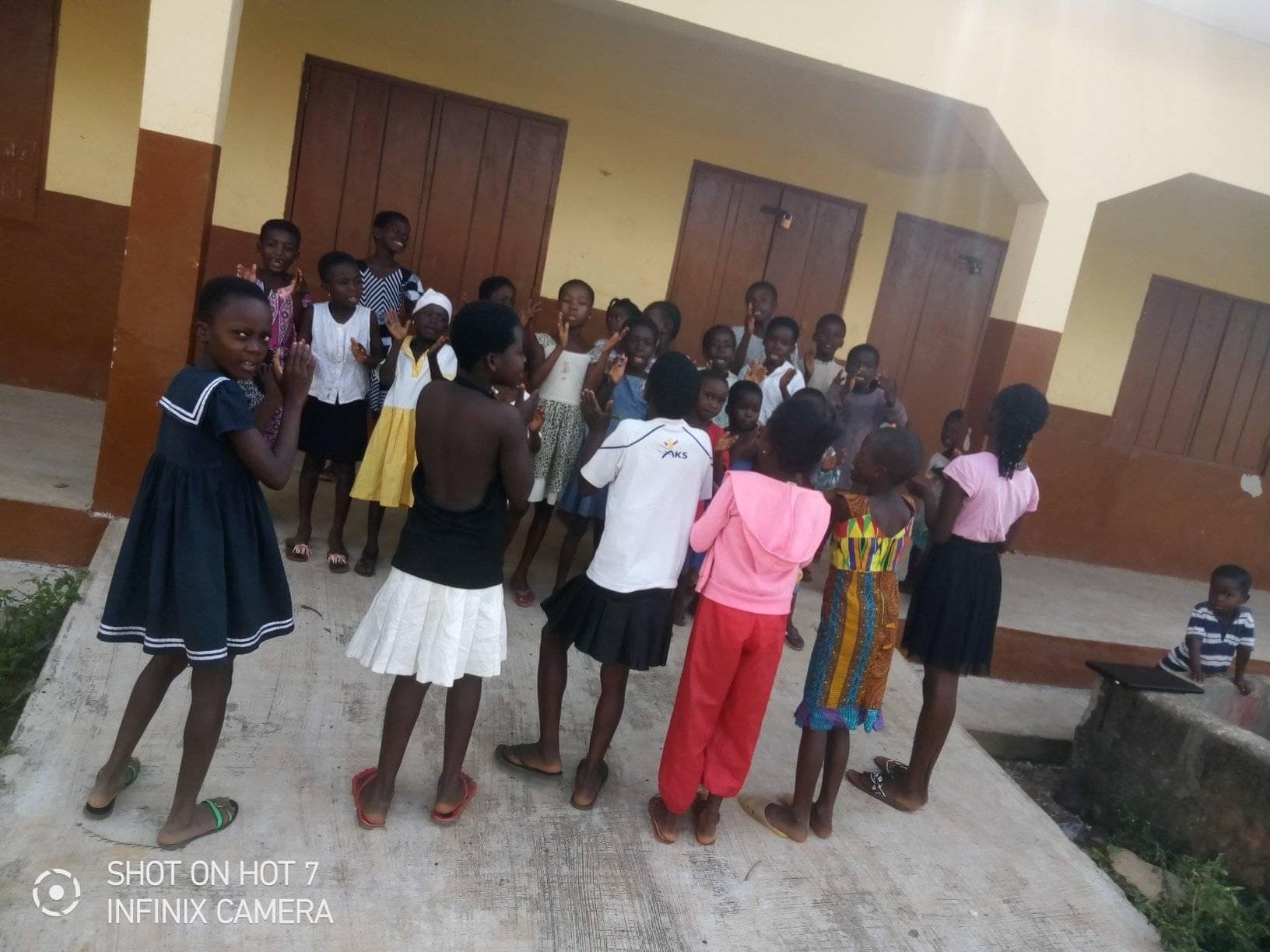
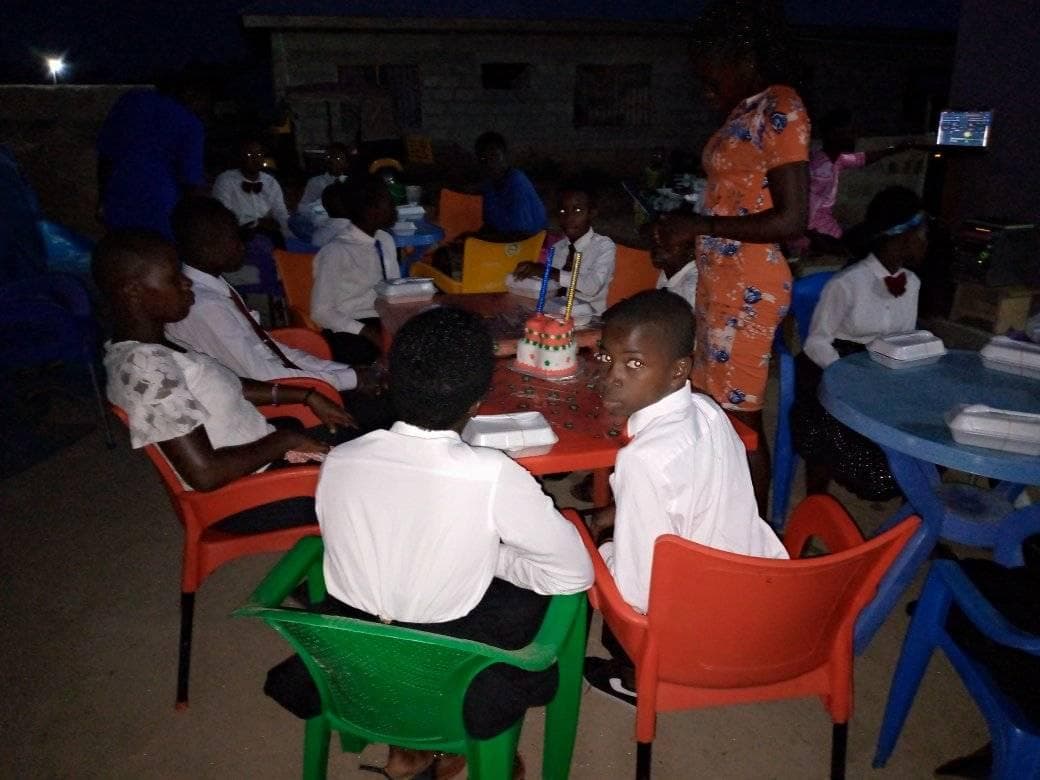
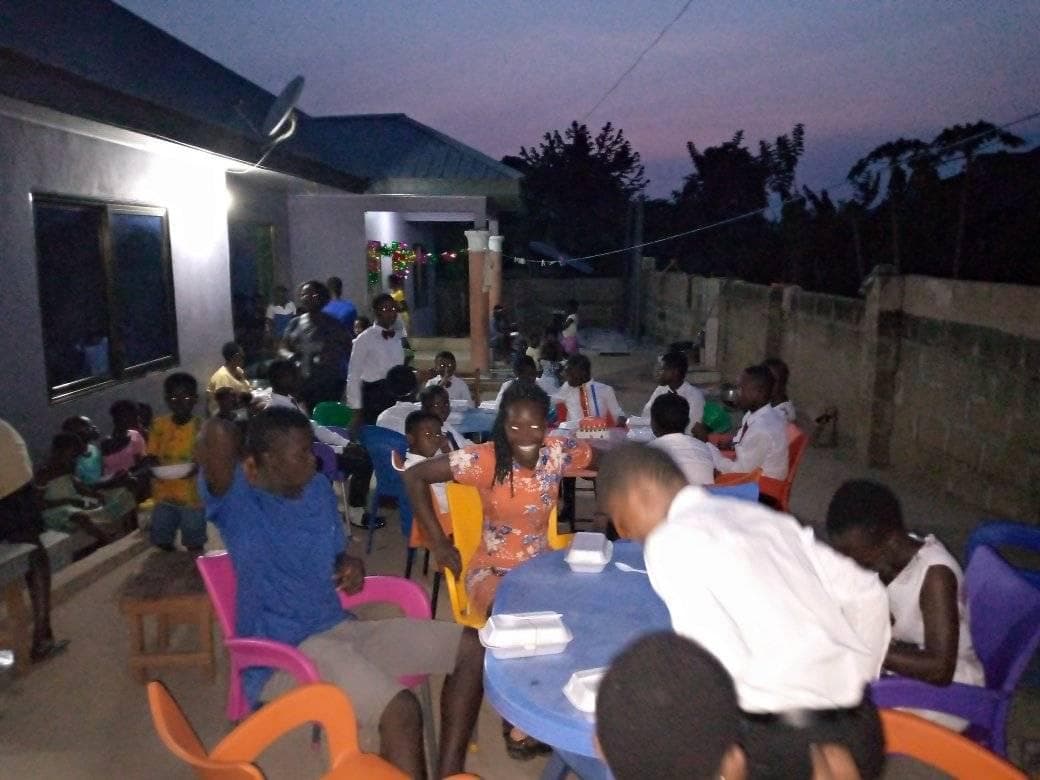
Attendance is a solved problem when children feel celebrated. Richard organised quiz nights with prizes, held parties with the support of community elders, and brought in resources to reward consistency. These were not extras, they were essential tools for building trust and sustaining engagement in communities where education had been interrupted.
SDG 3 & 4 · Health & Education · Sefwi Bekwai
STEM excursion, learning science in real life.
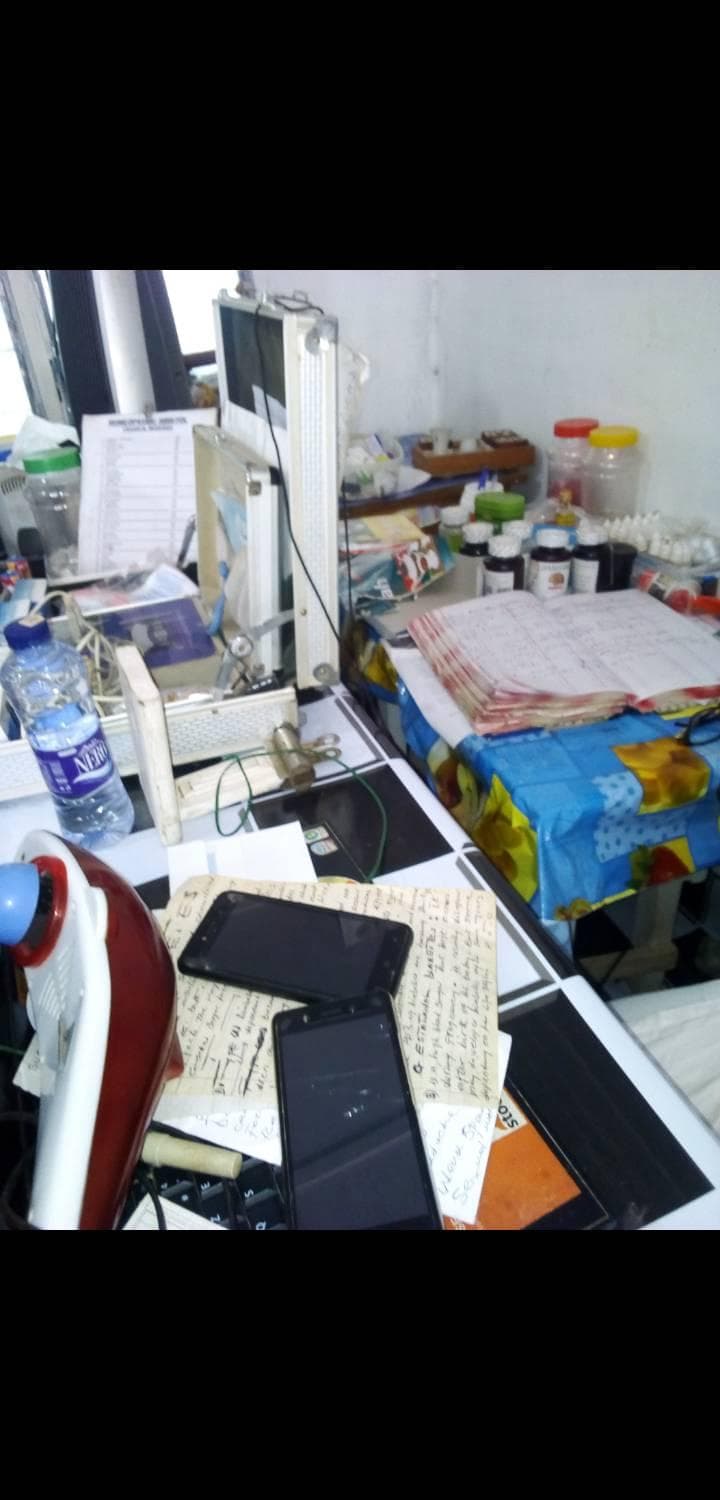
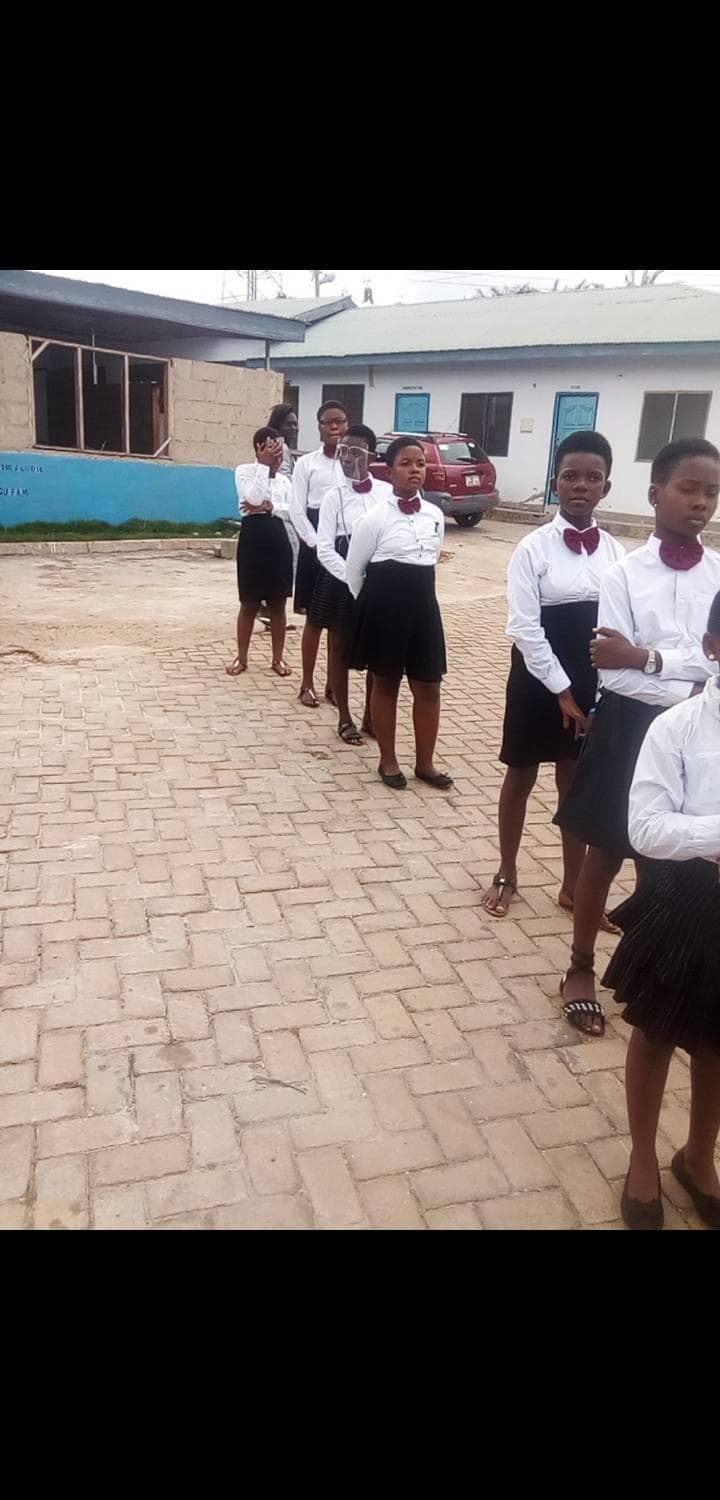
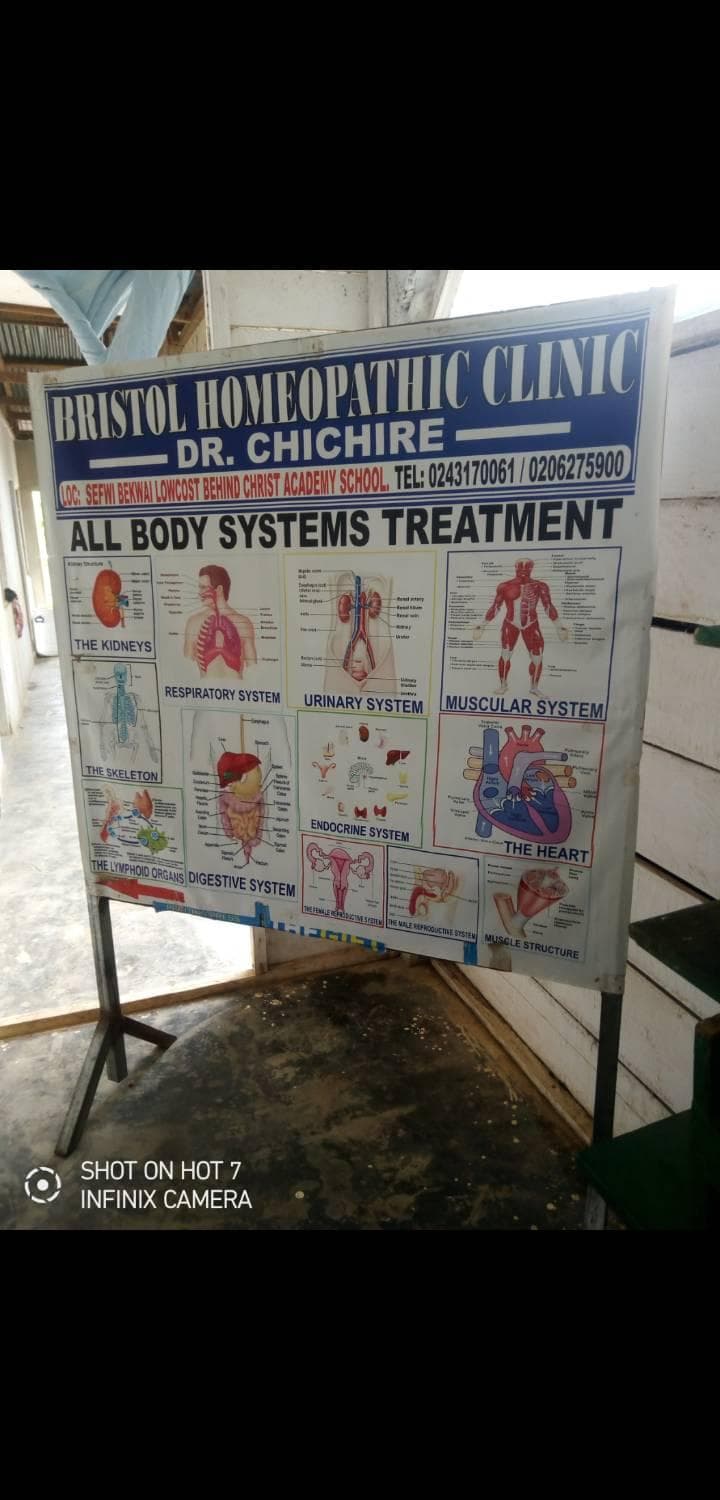
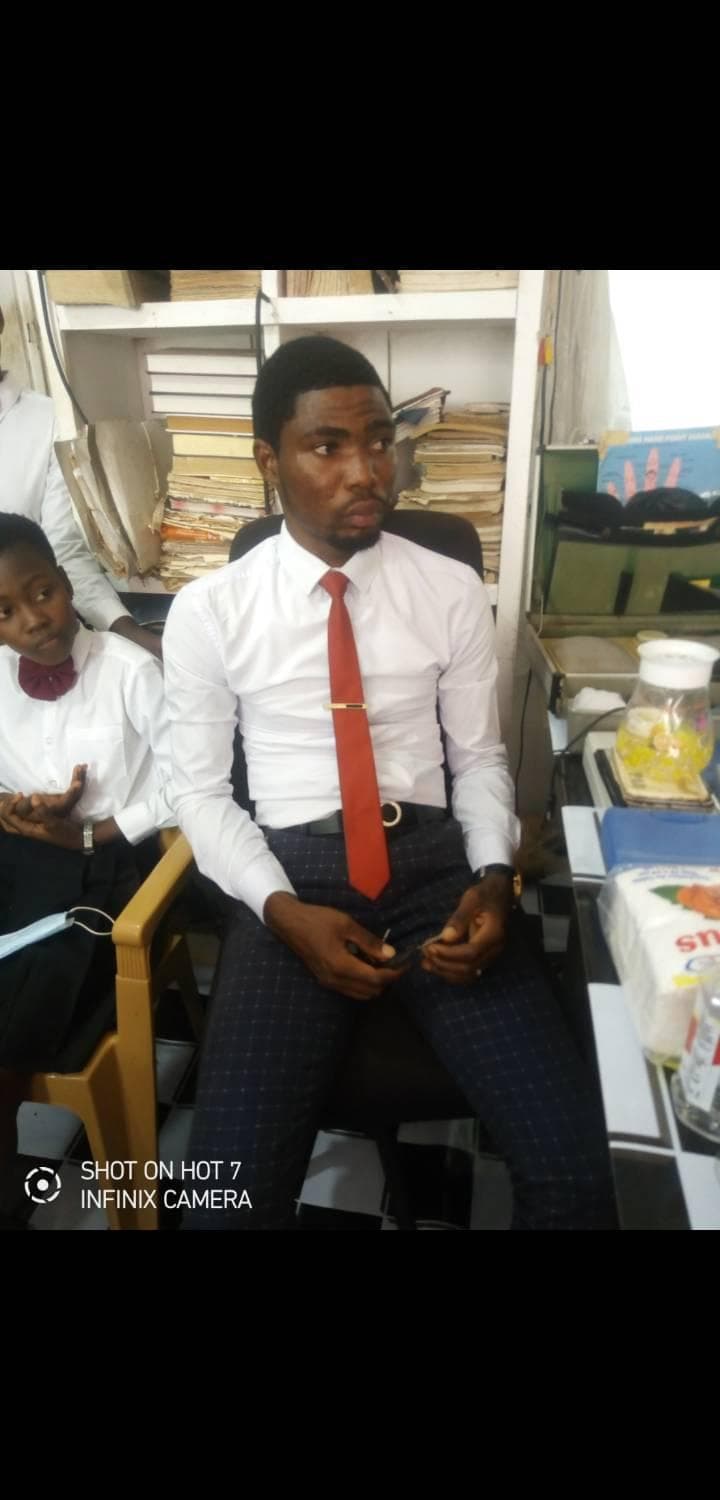
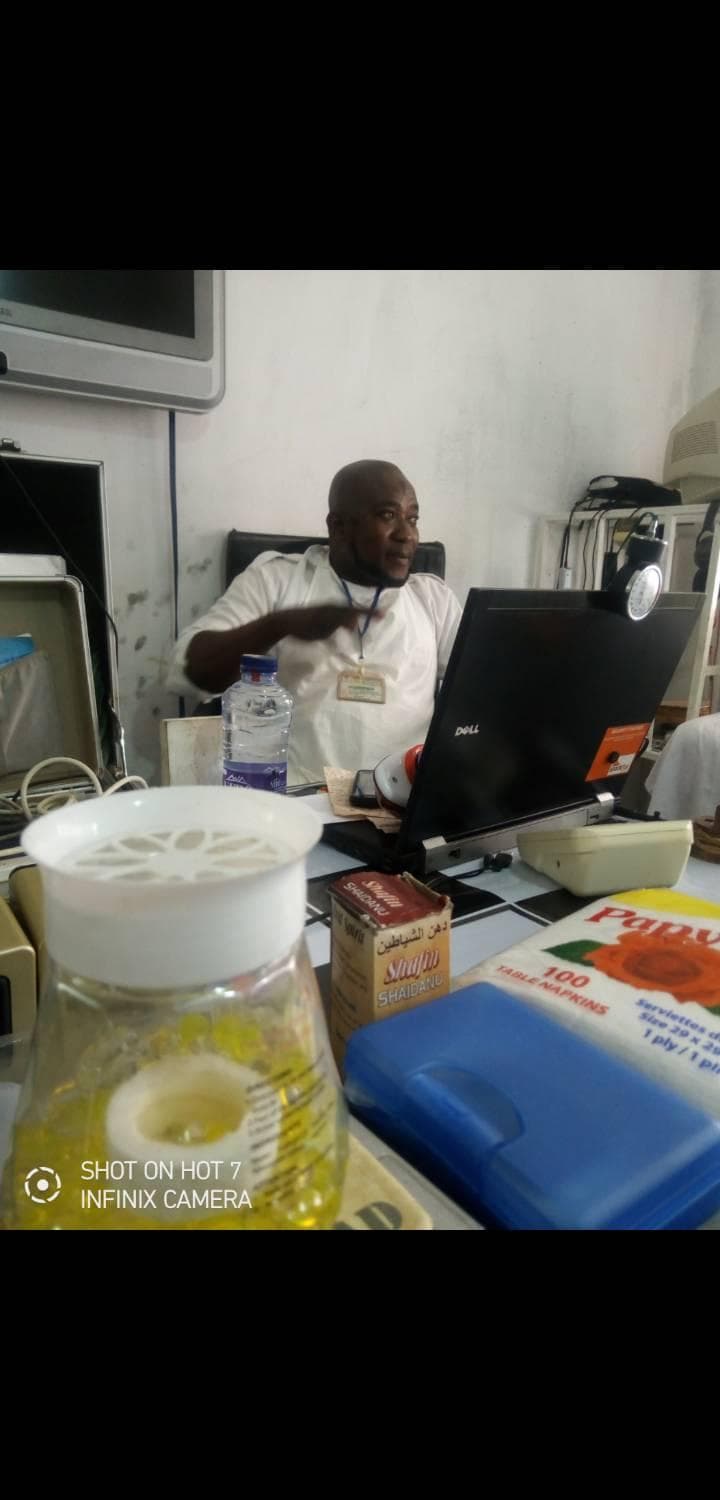
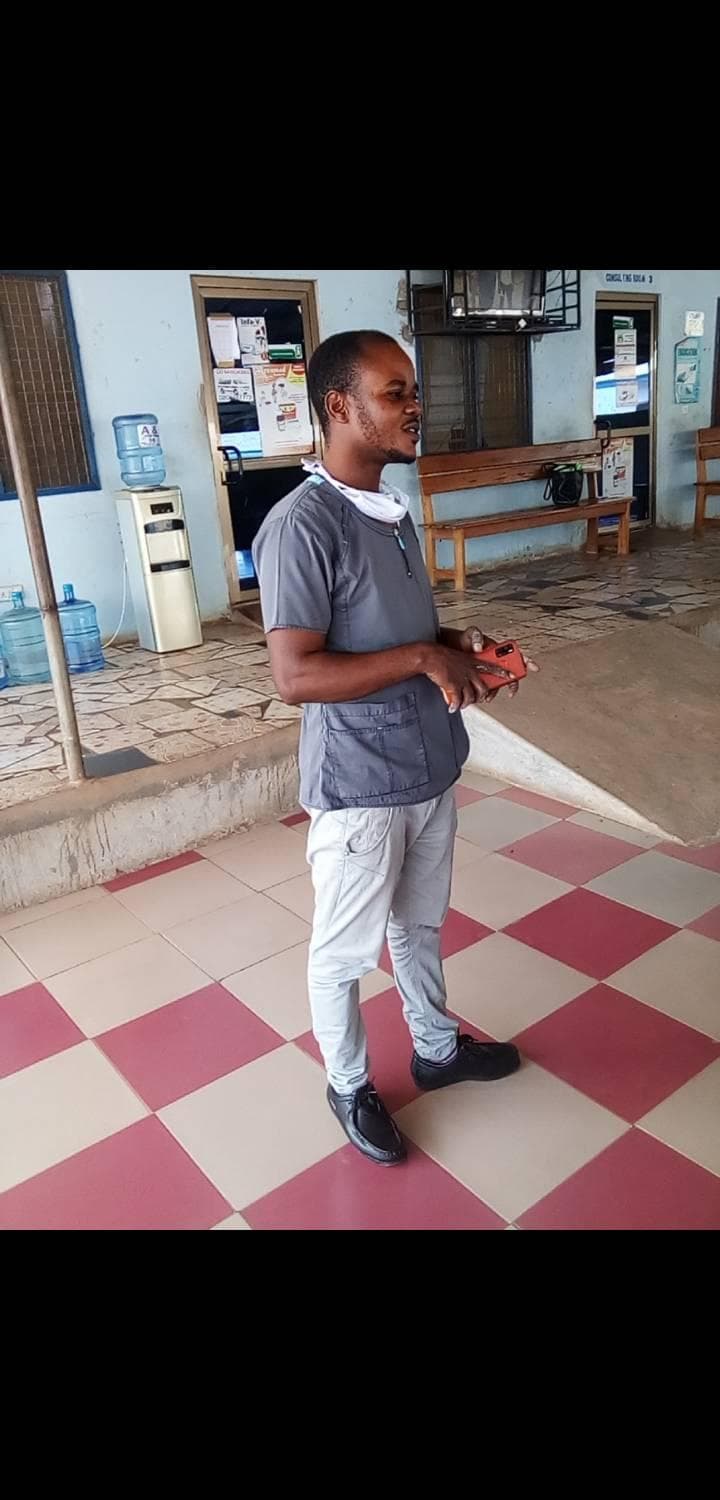
Richard organised STEM excursions with community children to Grace Hospital in Sefwi Bekwai and surrounding health facilities, giving children a chance to see science, medicine, and technology in practice. Working with Dr. Chichire and hospital staff, the excursions made abstract concepts tangible and introduced children to professional paths they had never been shown. Science is not a subject if you can see it working in your own community.
Community Radio Communication Project
Teaching communication skills through community radio.
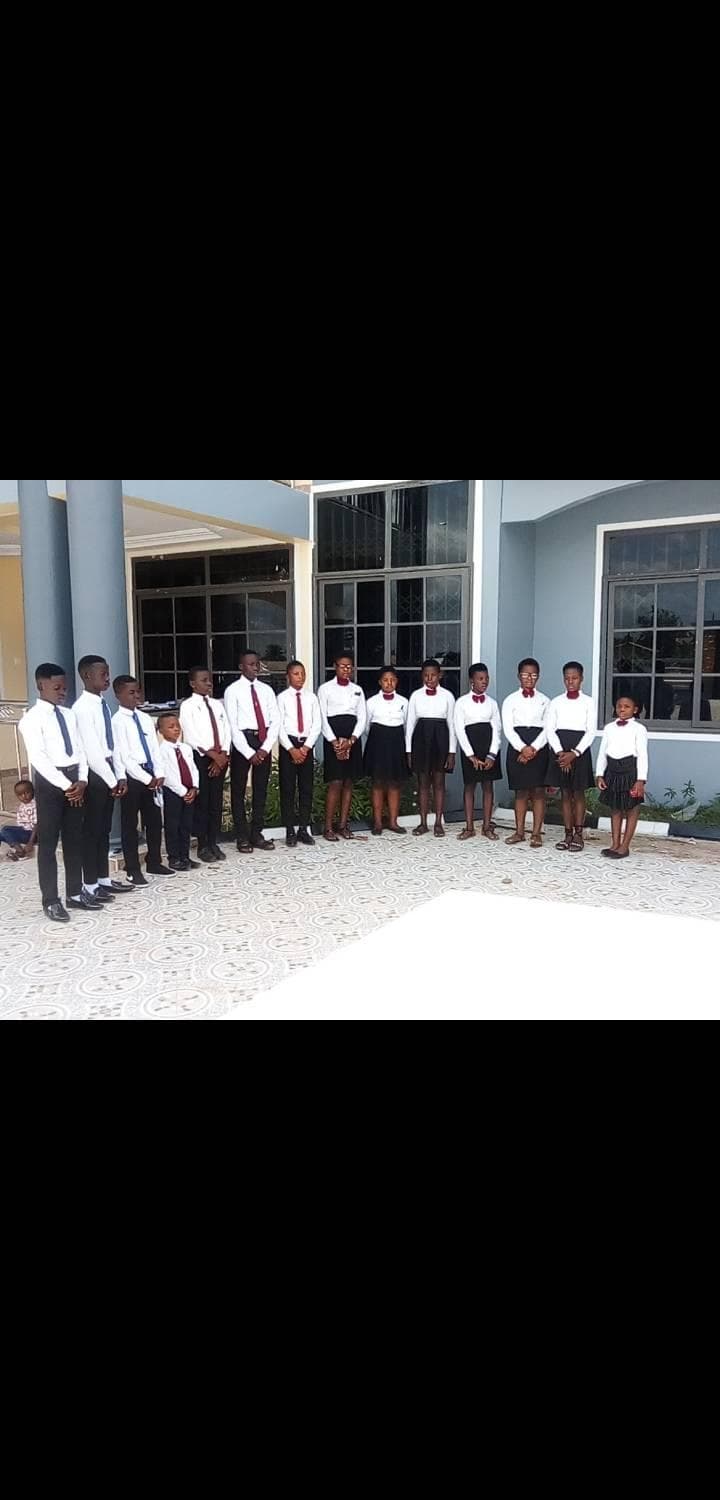
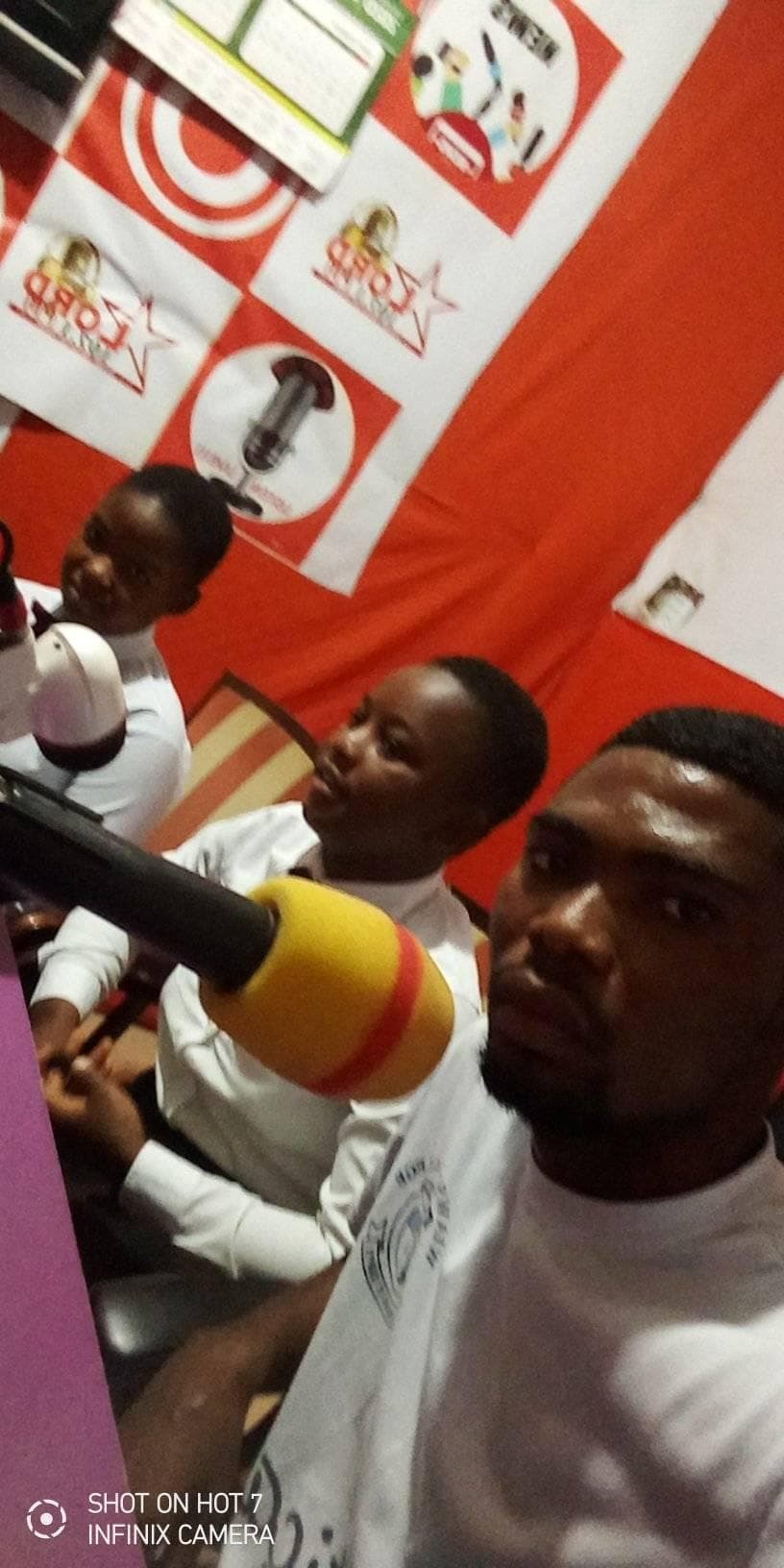
Richard organised a community radio communication skills programme, teaching young people how to articulate ideas, participate in public discourse, and use media as a tool for community development. In communities where radio is the primary information medium, this was not a soft skill. It was access to a platform.
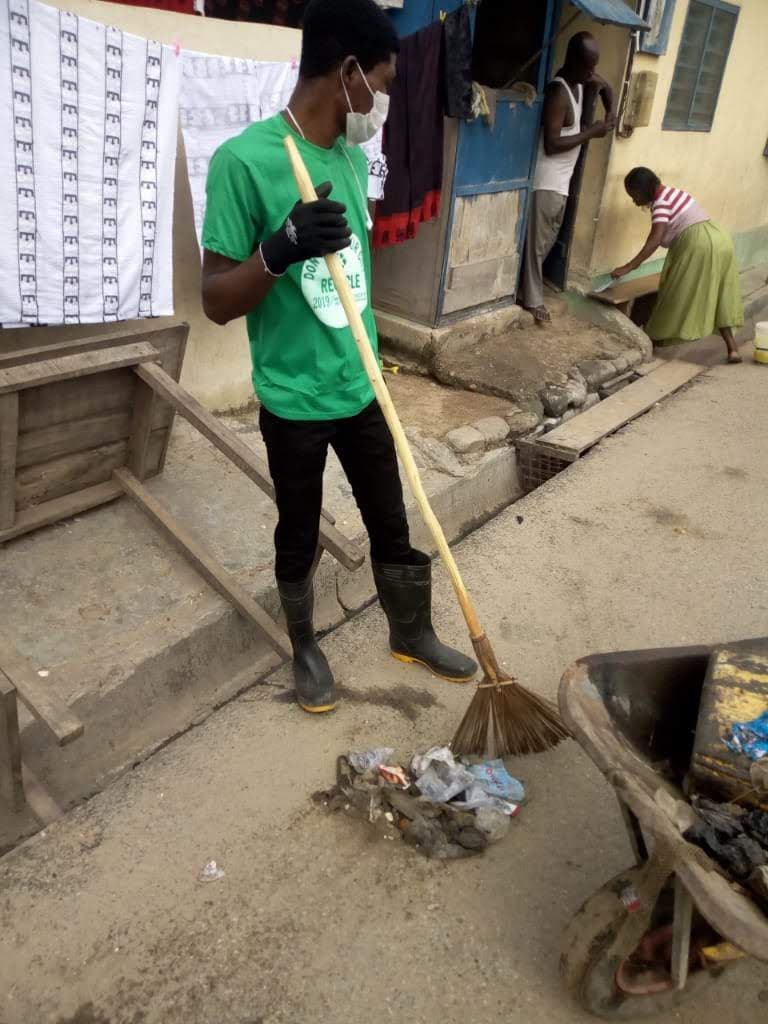
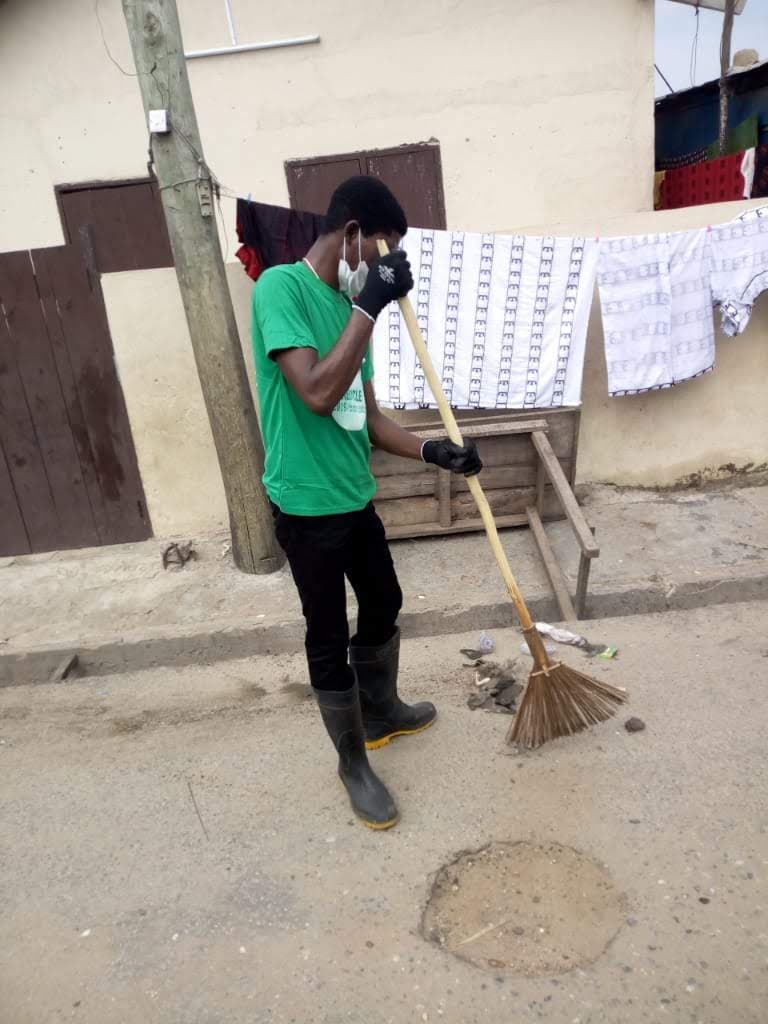
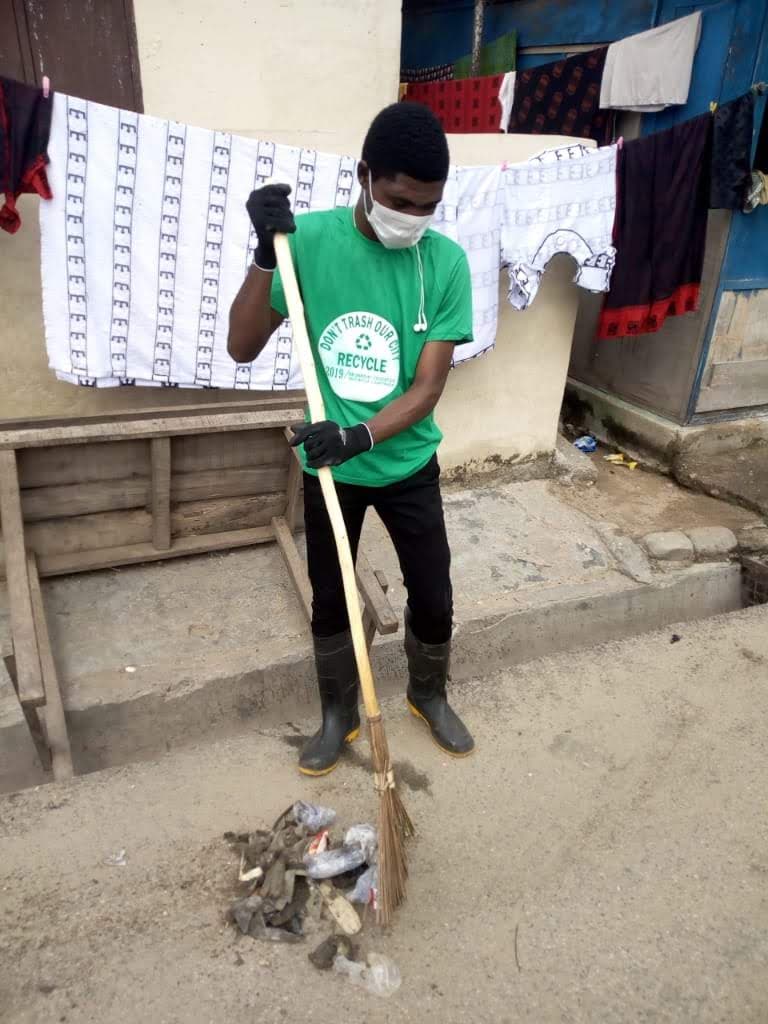
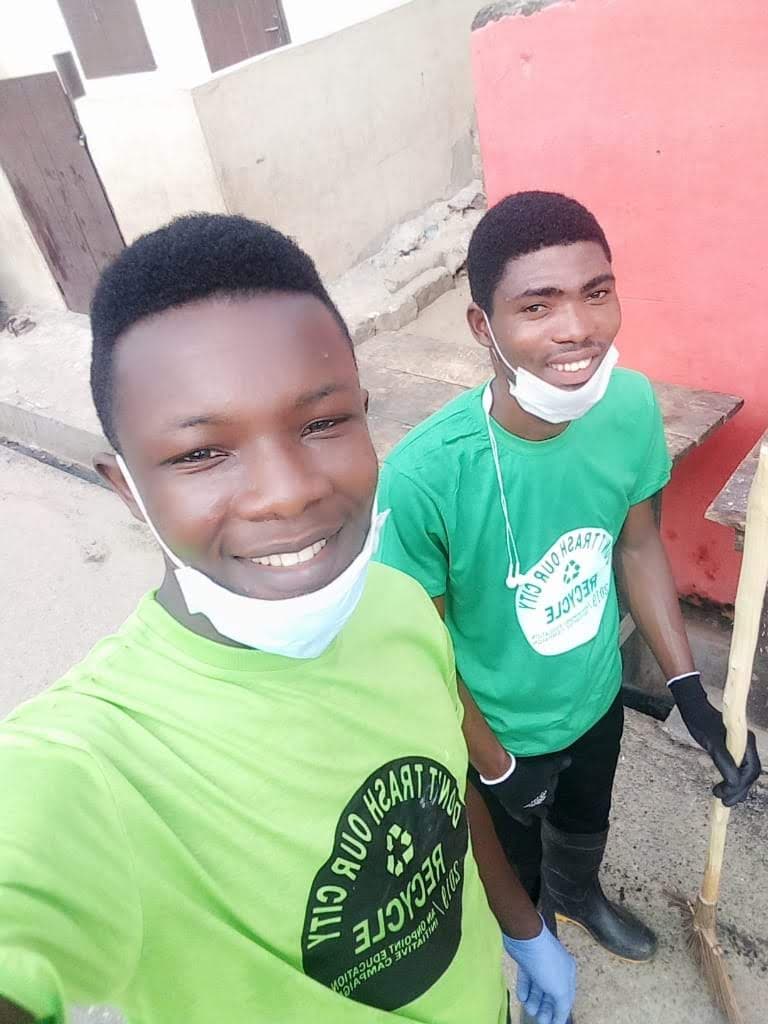
SDG 6 & 11 · Sanitation & Communities · January 2020
Community sanitation exercise, DansoKrom, Sefwi Bekwai.
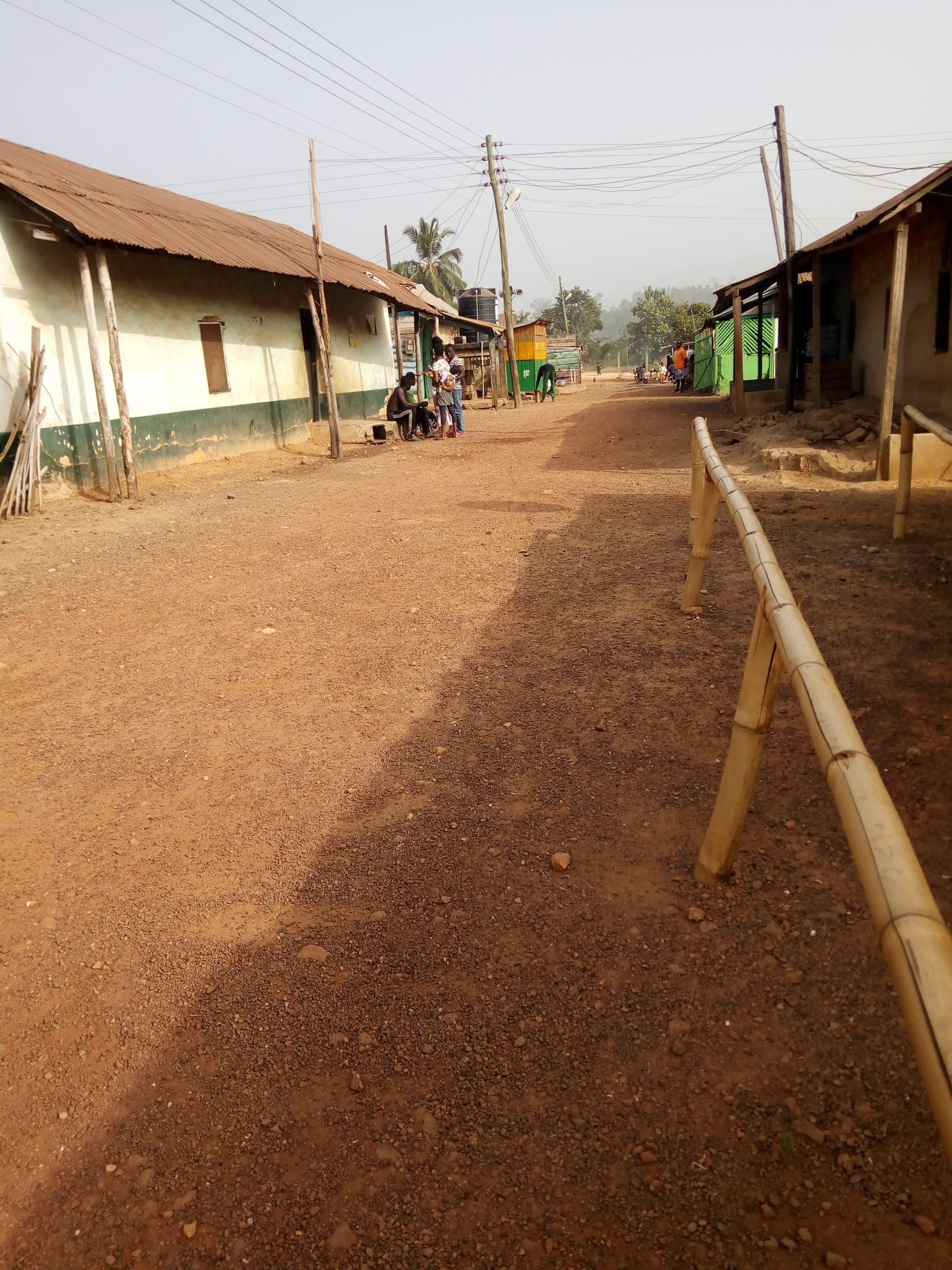
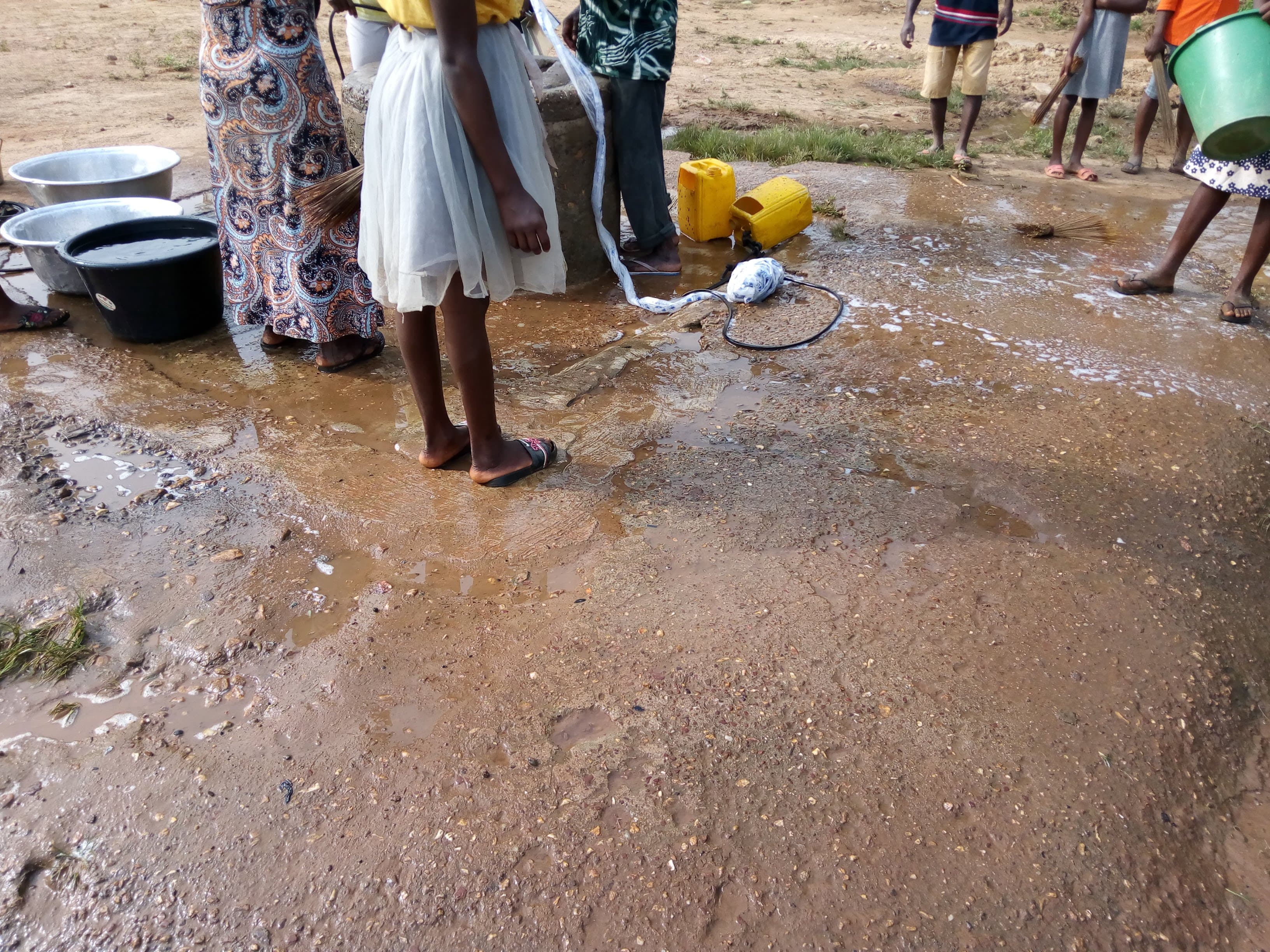
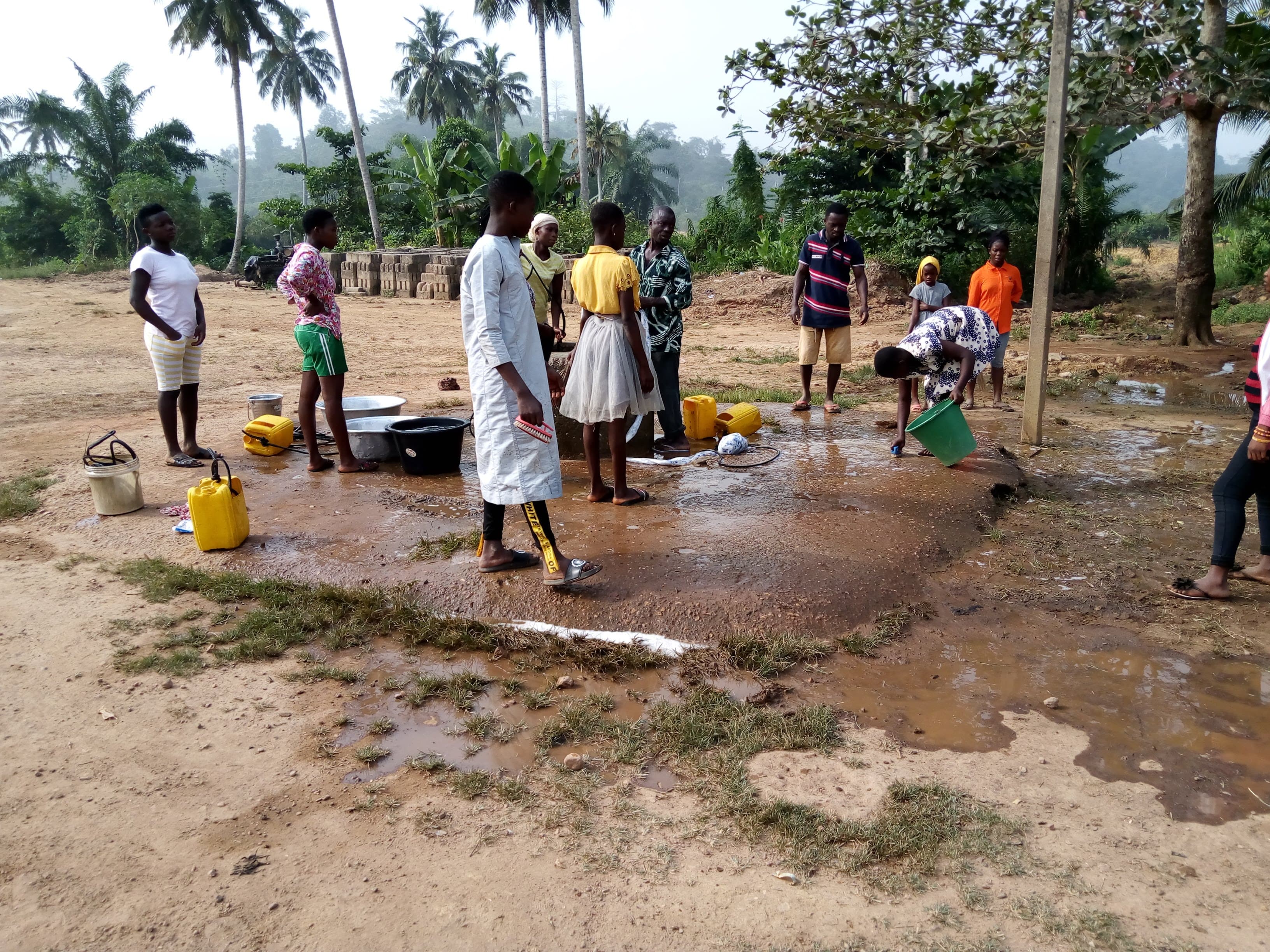
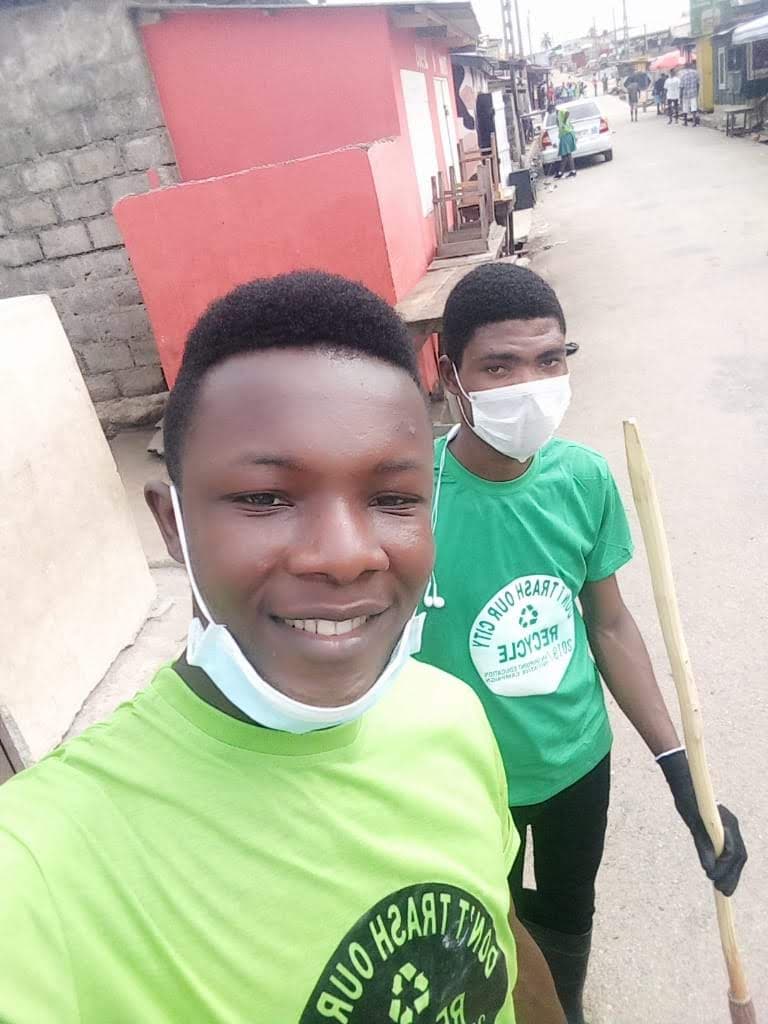
Richard organised and participated in a community town sanitation exercise at DansoKrom in the Sefwi Bekwai area, mobilising residents to clean public spaces, streets, and community areas. This was early January 2020, before COVID-19 made hygiene an emergency. Richard was already treating it as a community priority. Development begins with the dignity of a clean environment.
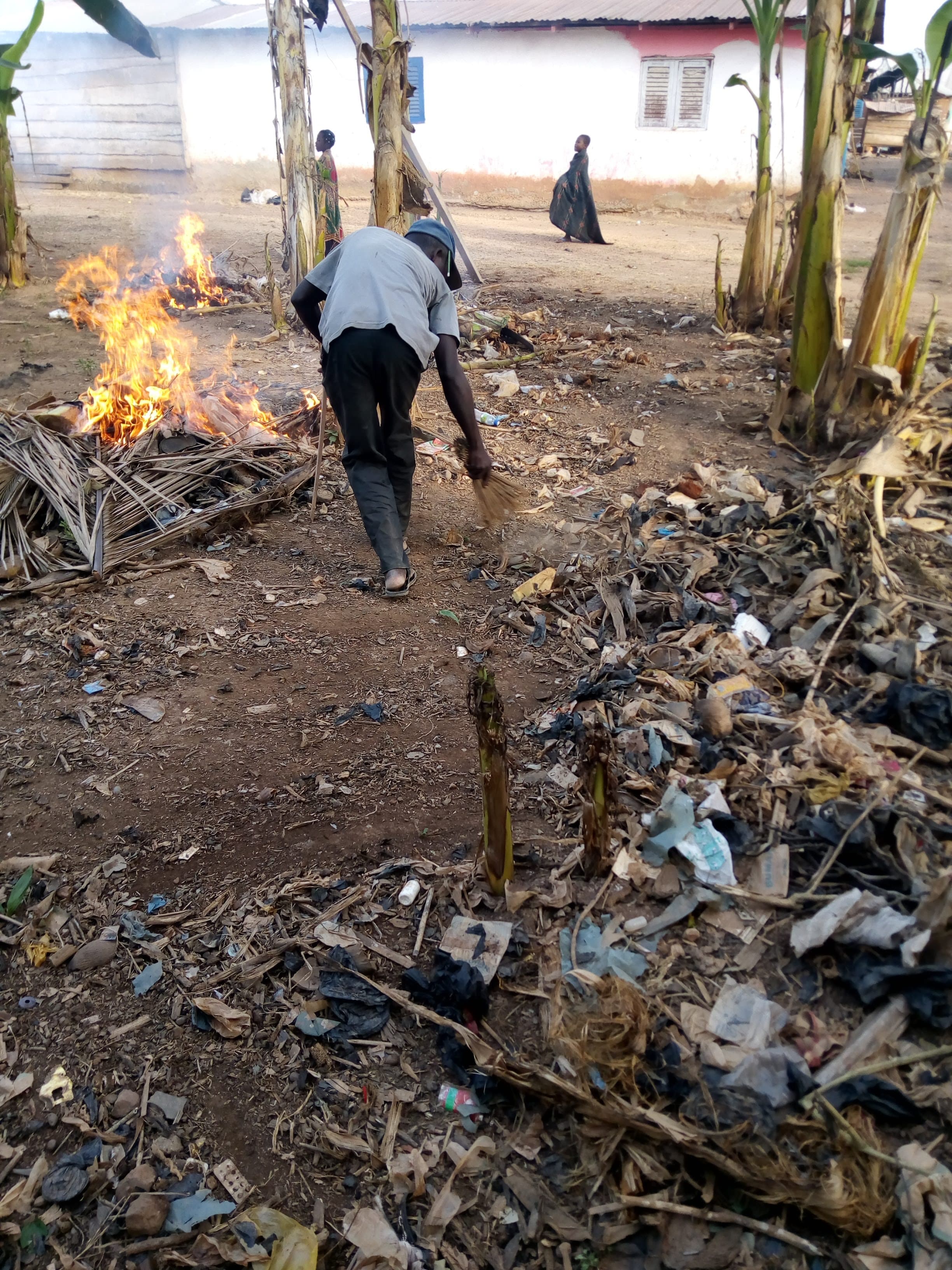
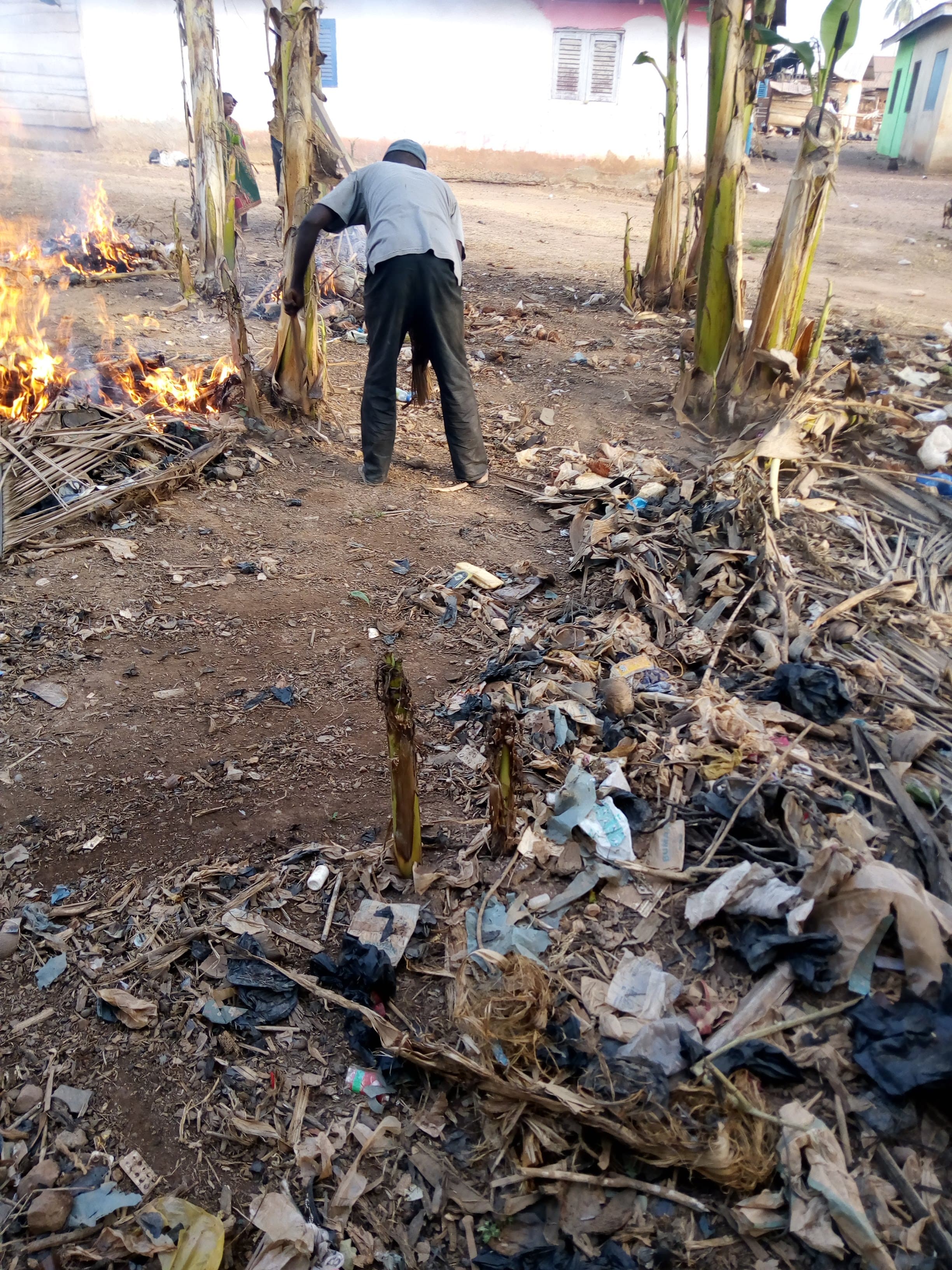
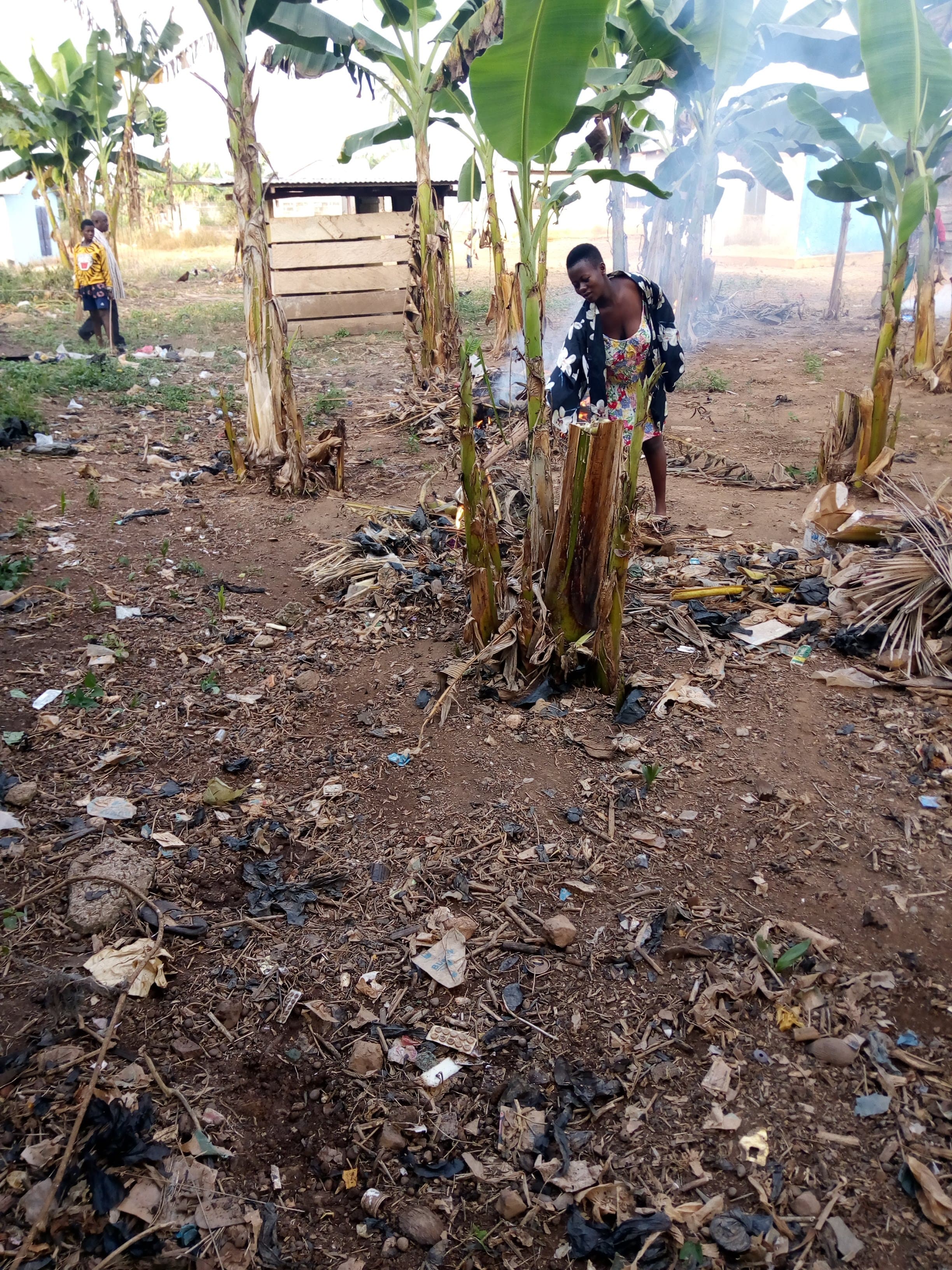
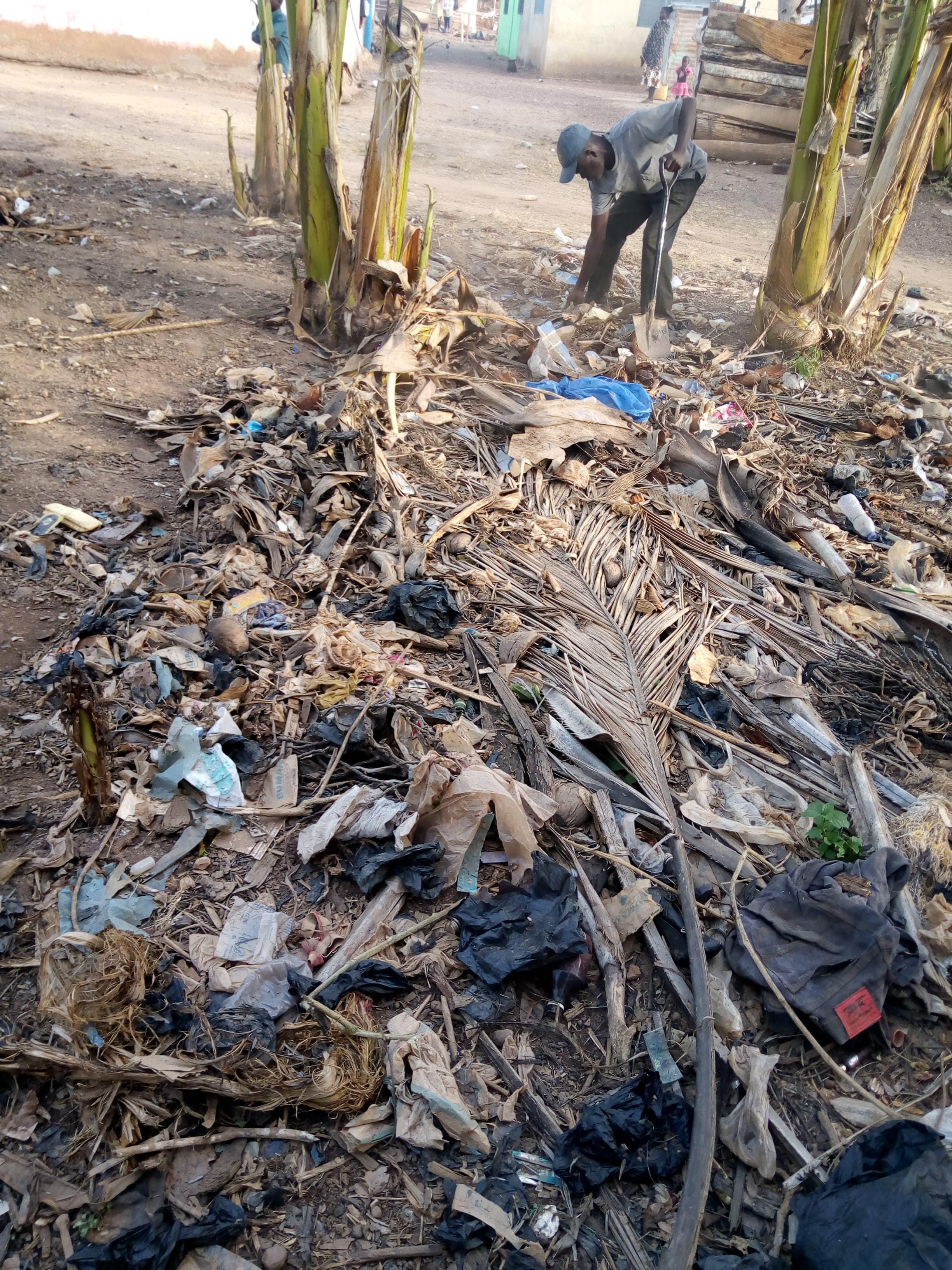
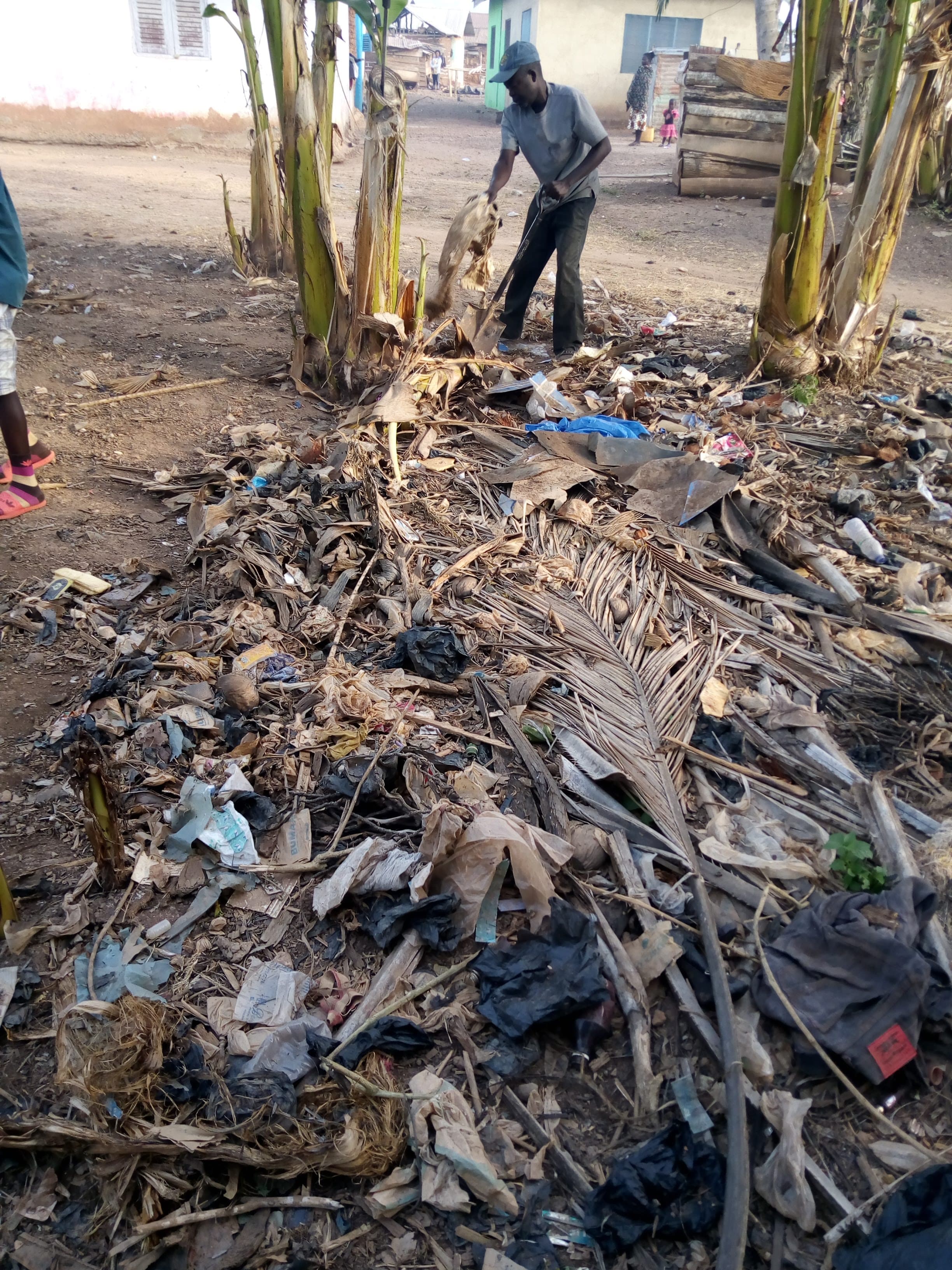
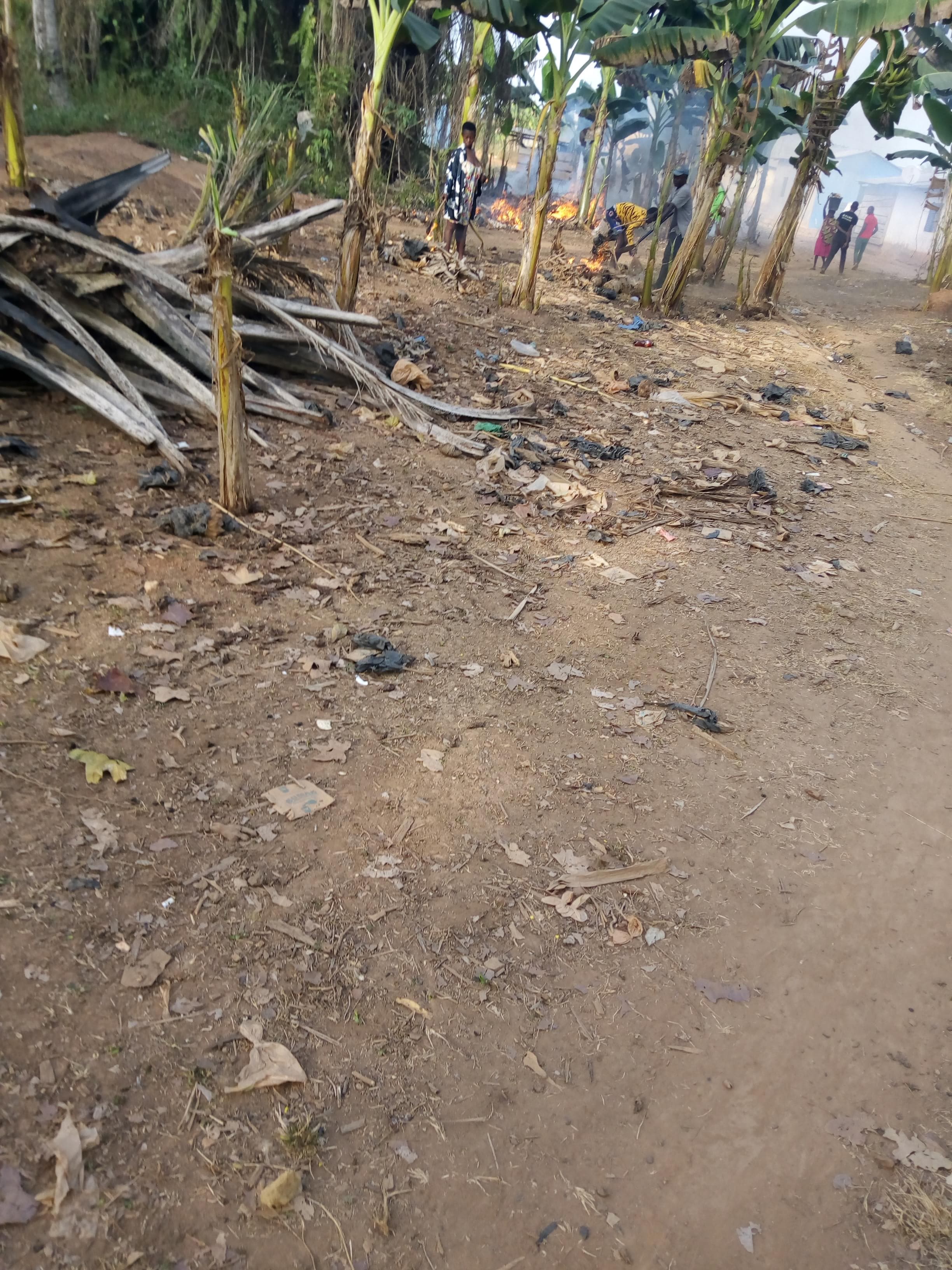
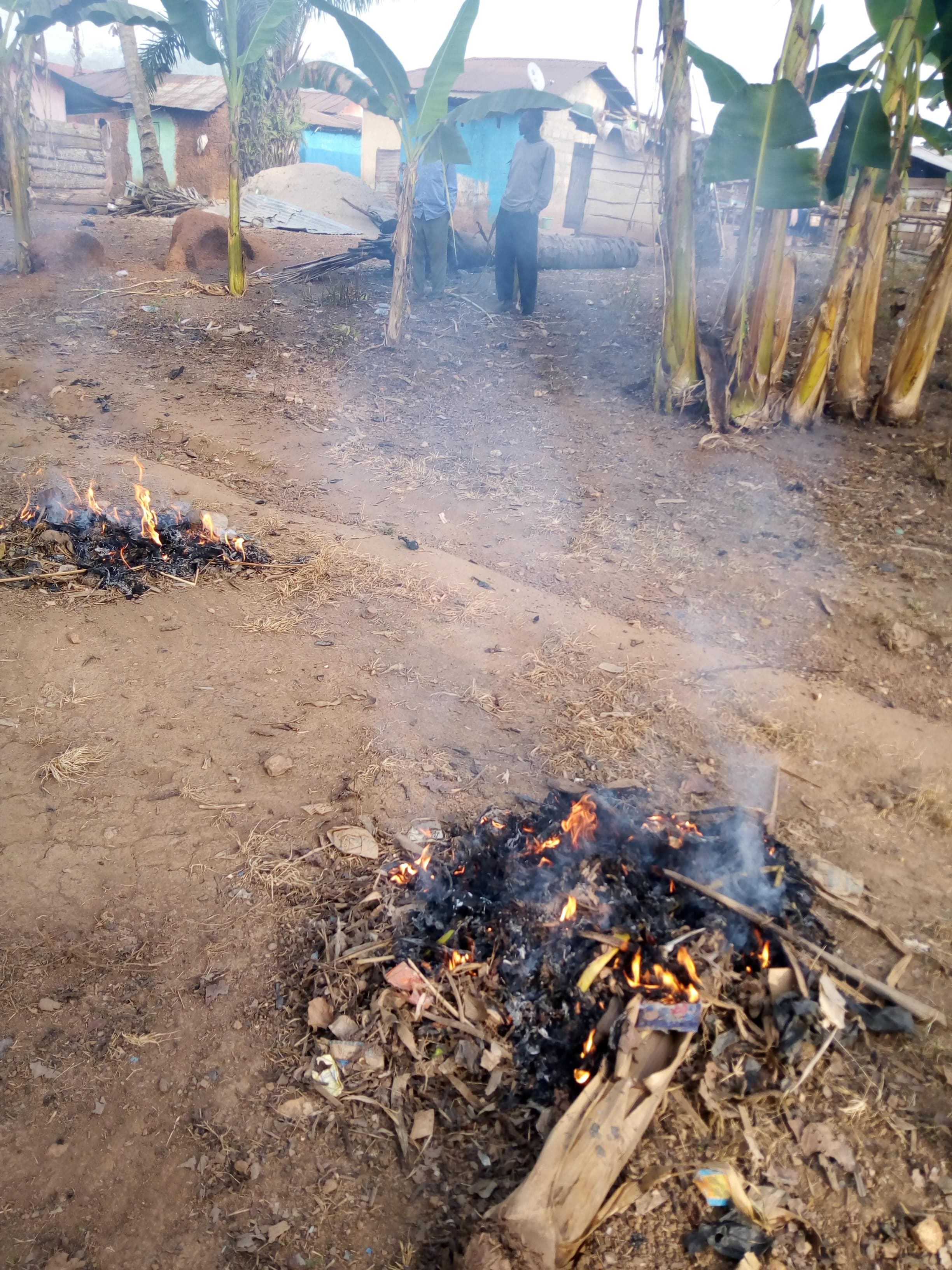
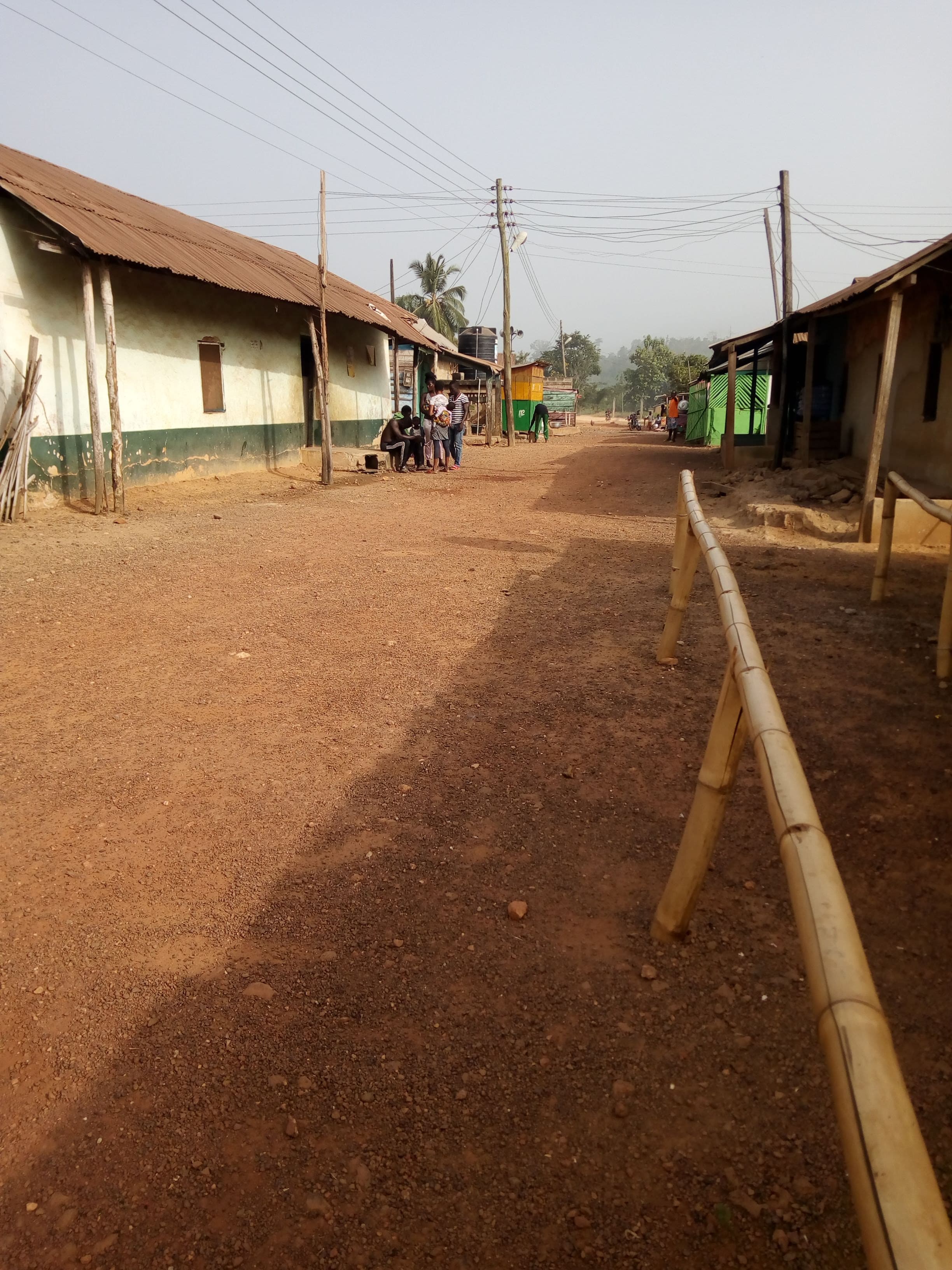
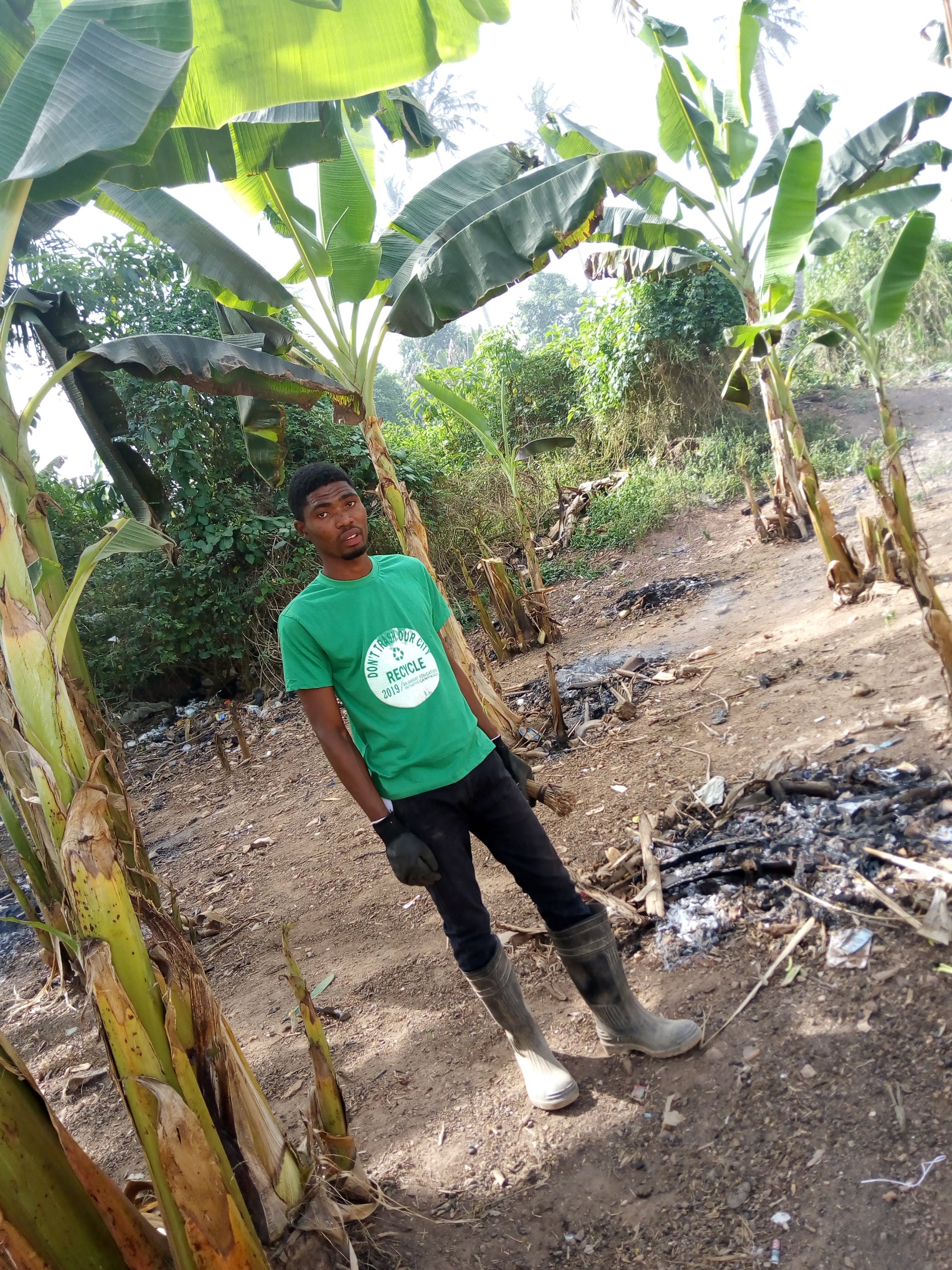
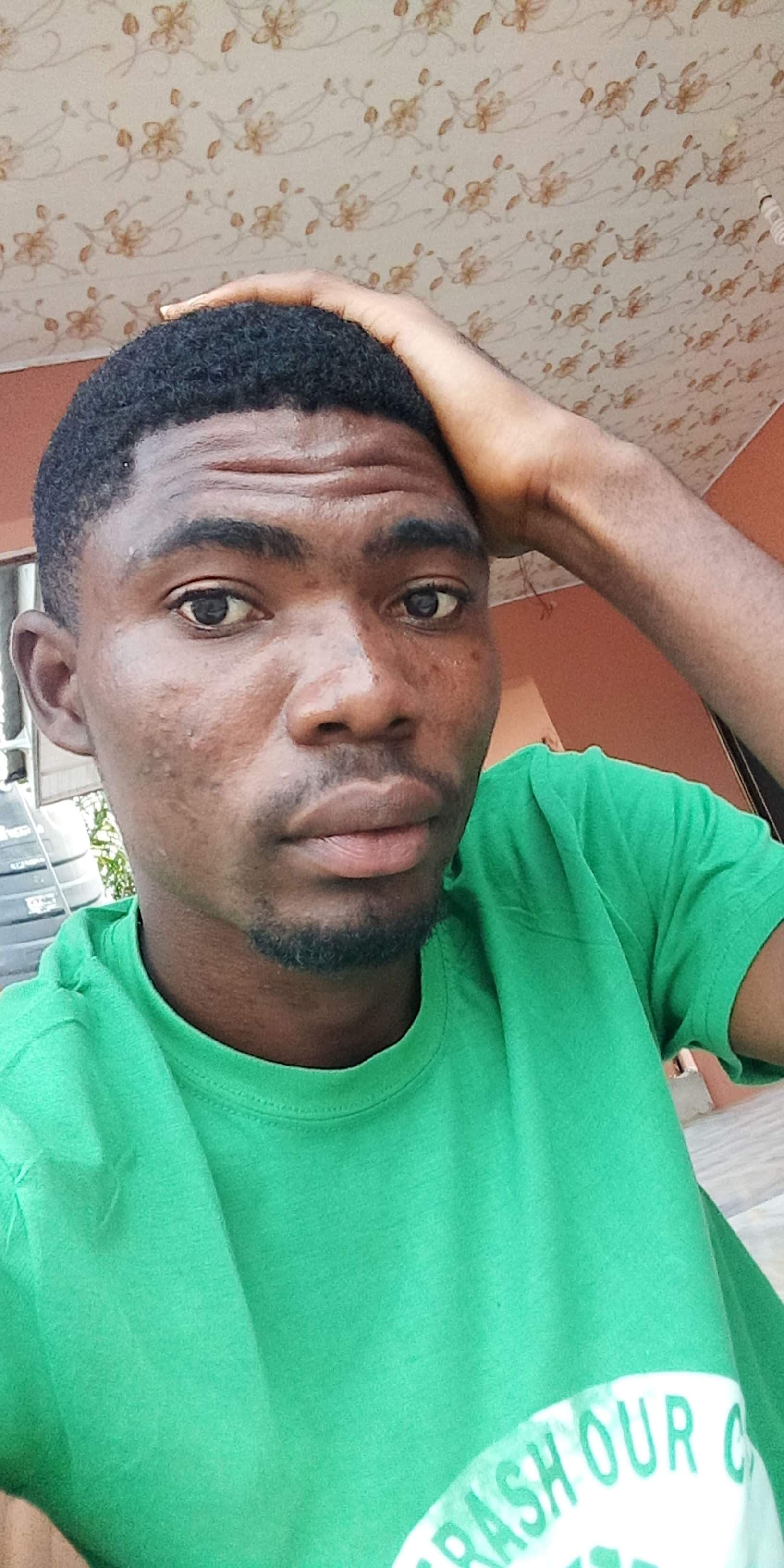
Surano B sanitation and cleaning exercise.
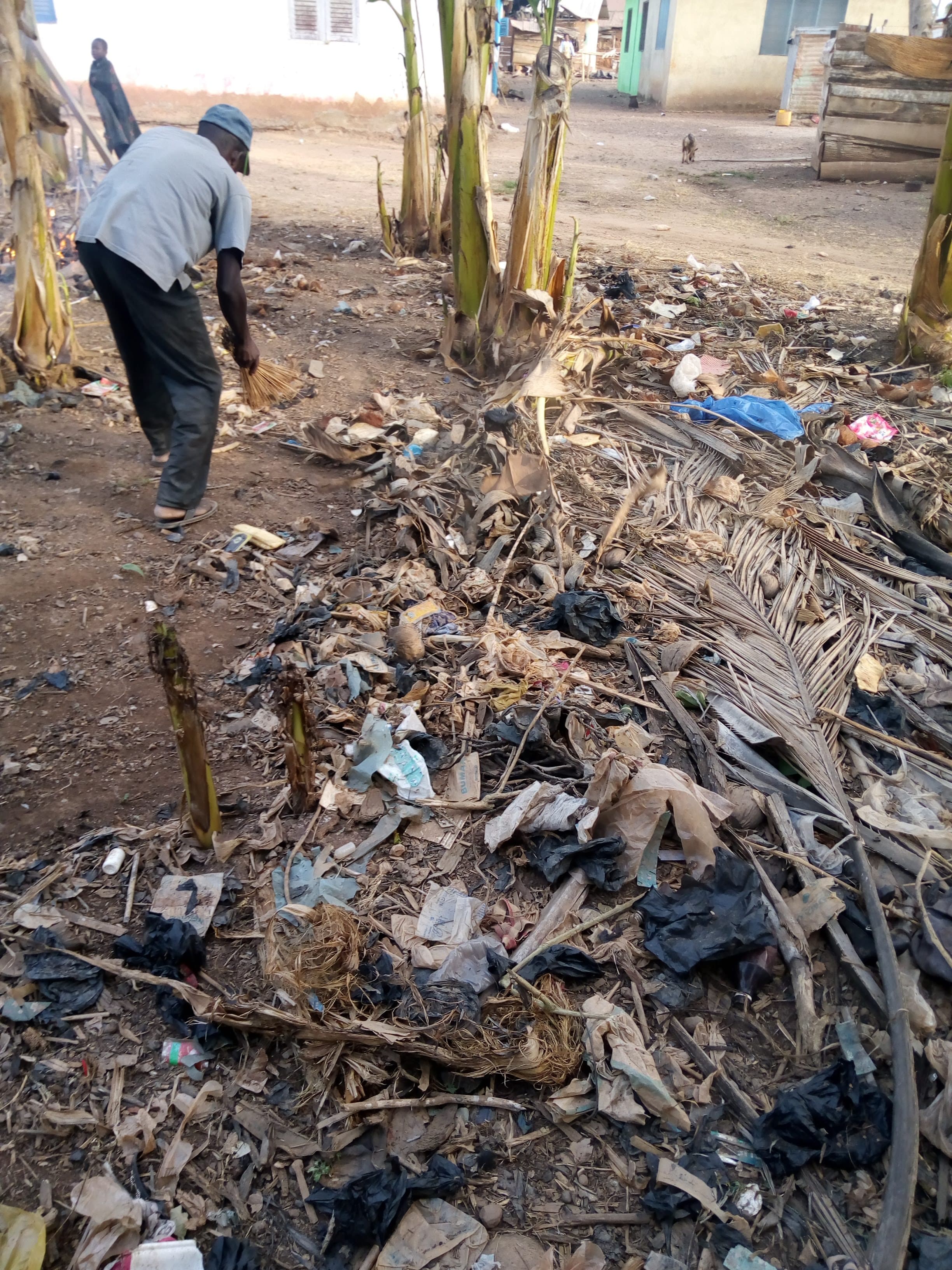
The Sefwi Bekwai Surano B sanitation exercise followed the DansoKrom drive, demonstrating that this was not a one-time initiative but a deliberate pattern. Richard was systematically working through the communities surrounding Sefwi Bekwai, mobilising residents, setting an example, and building the expectation that communities can and should take collective responsibility for their environments.
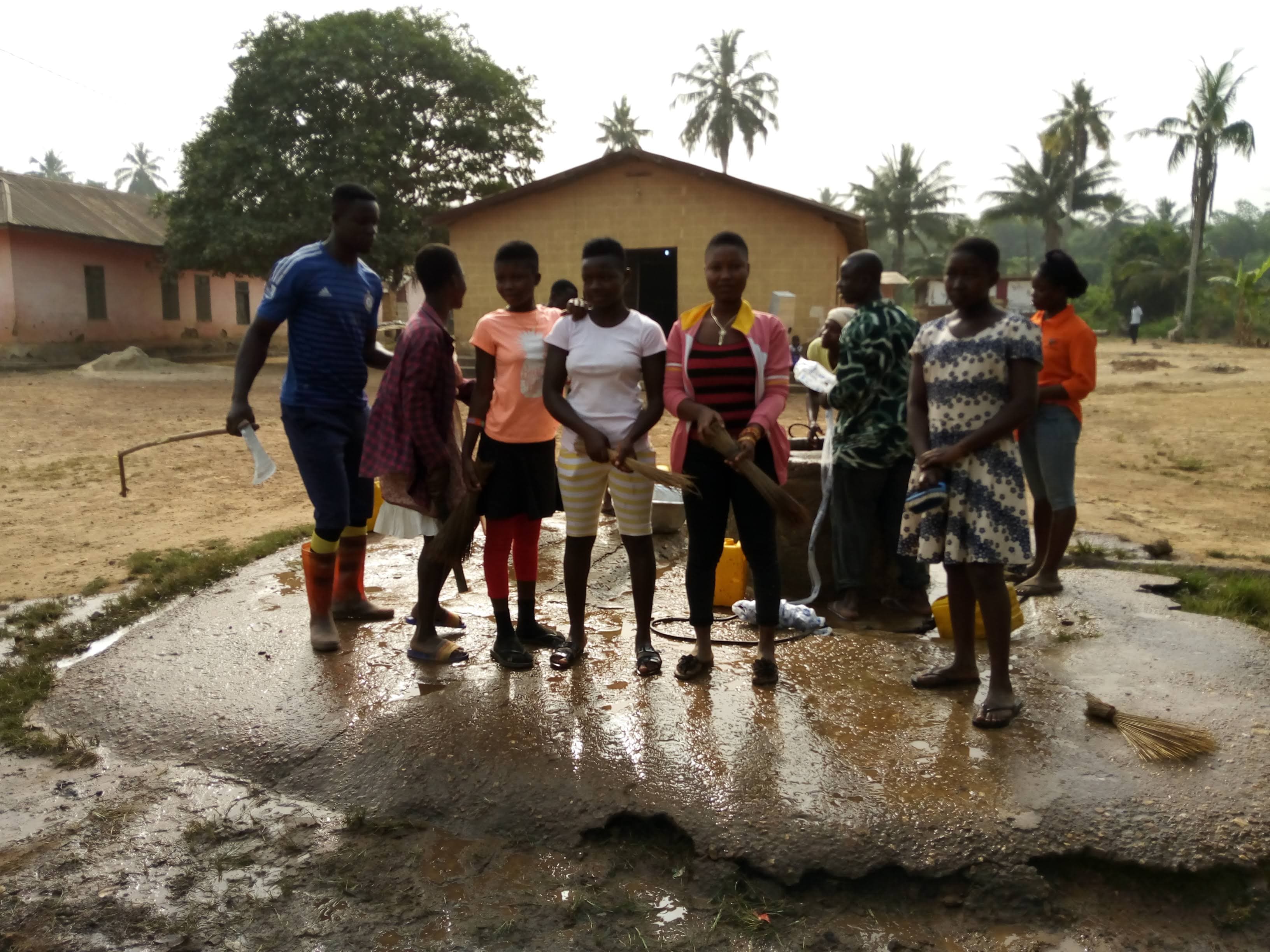
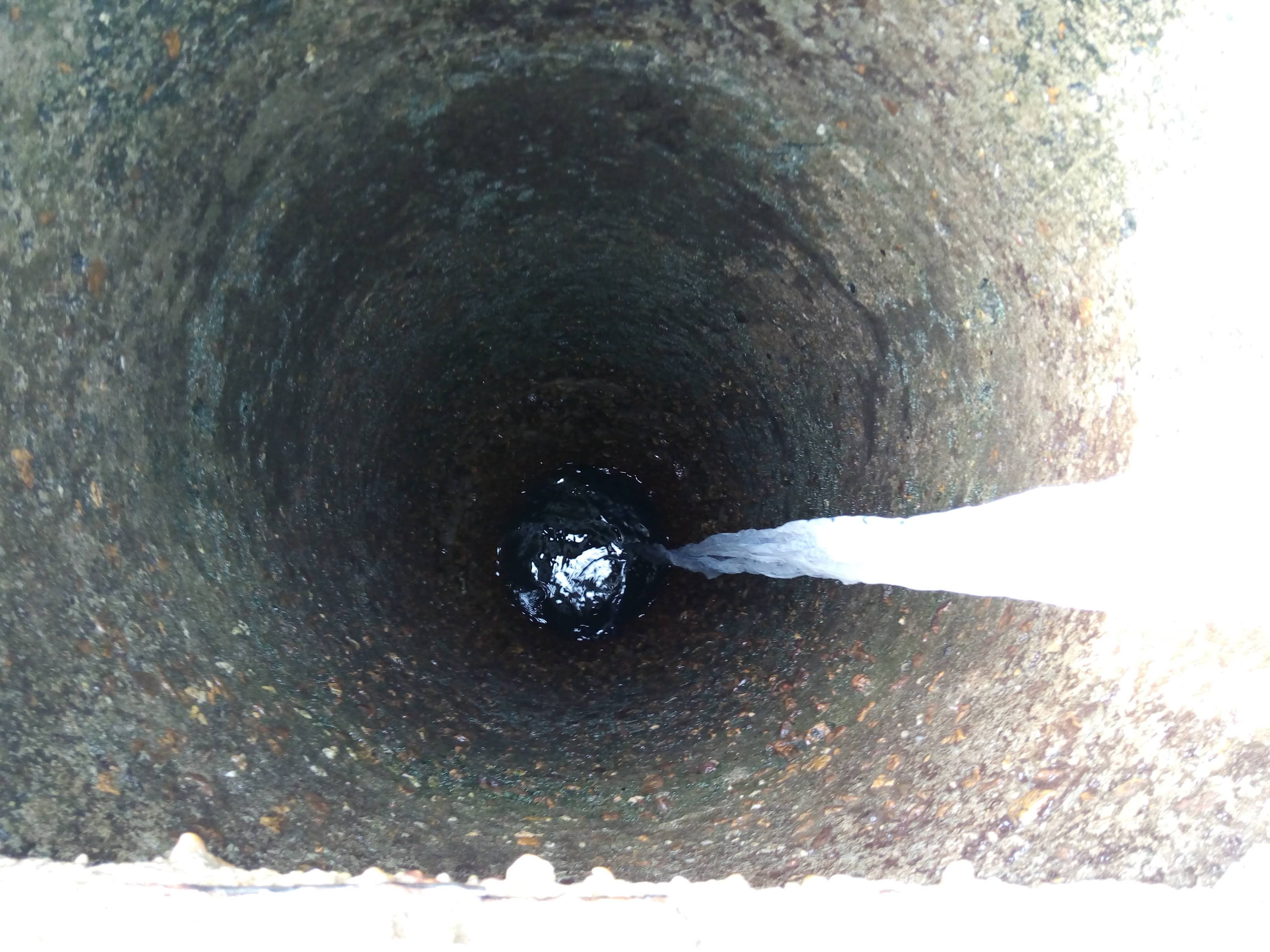
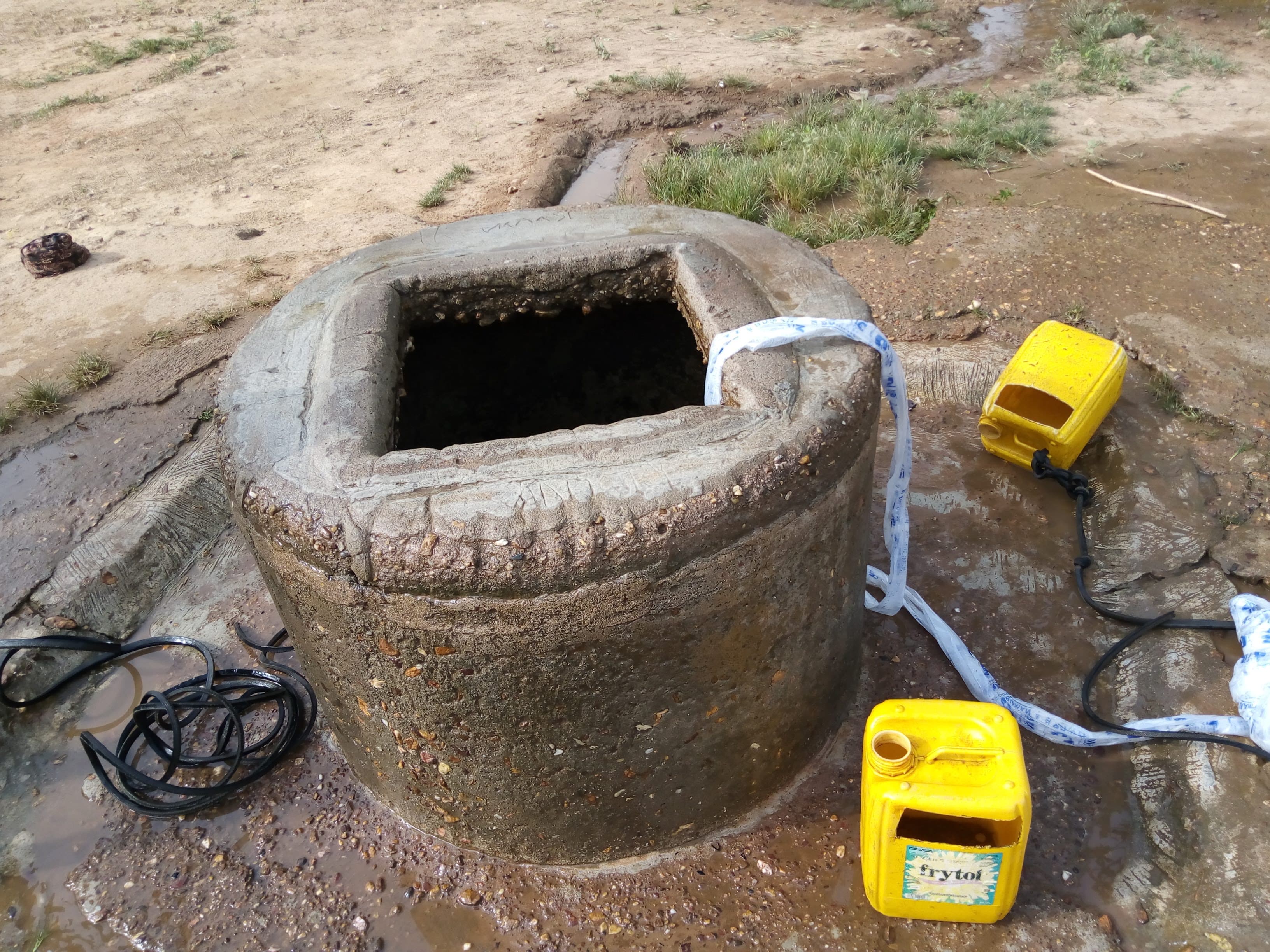
SDG 6 · Clean Water · Sefwi Bekwai Surrounding Communities
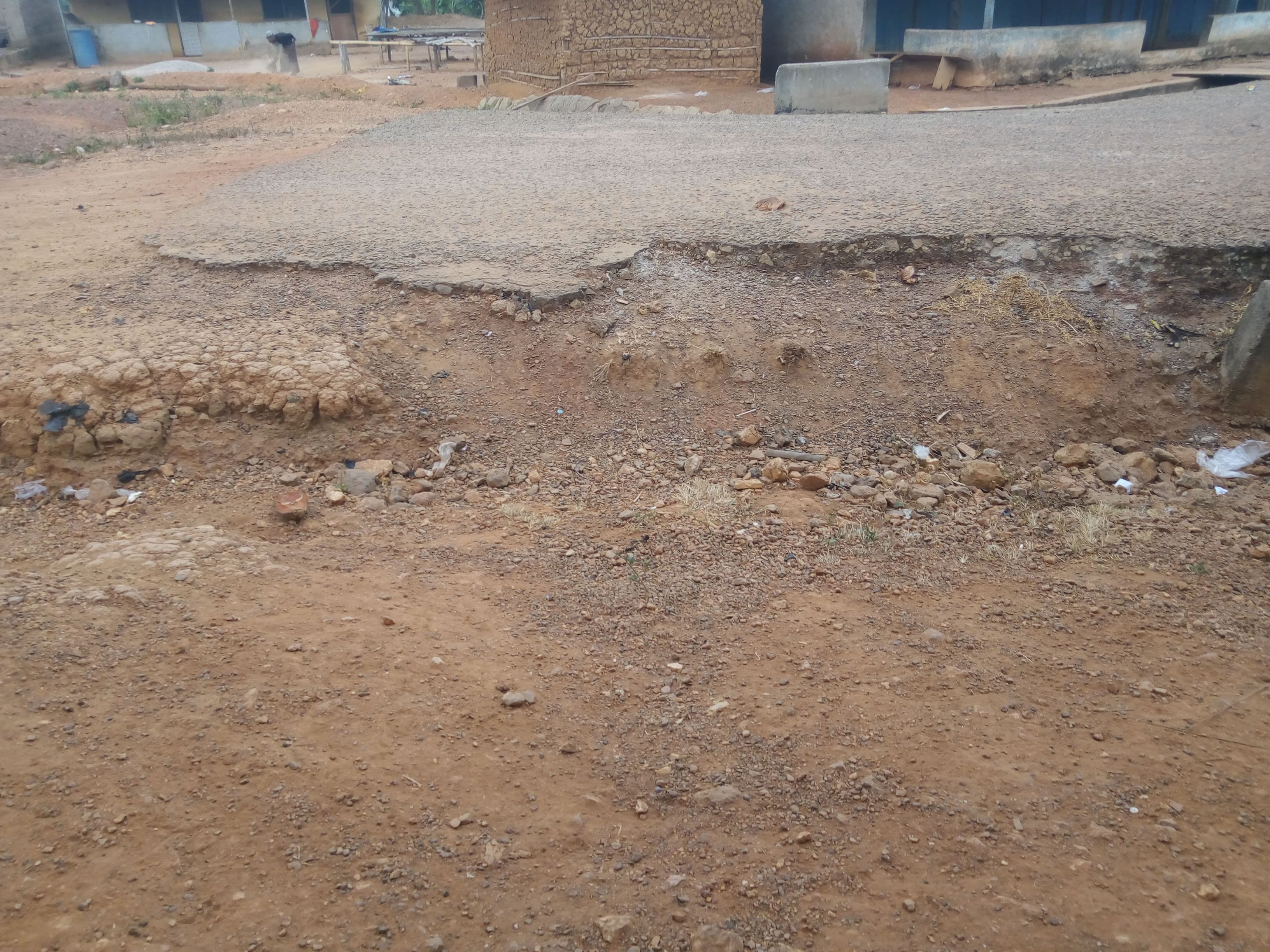
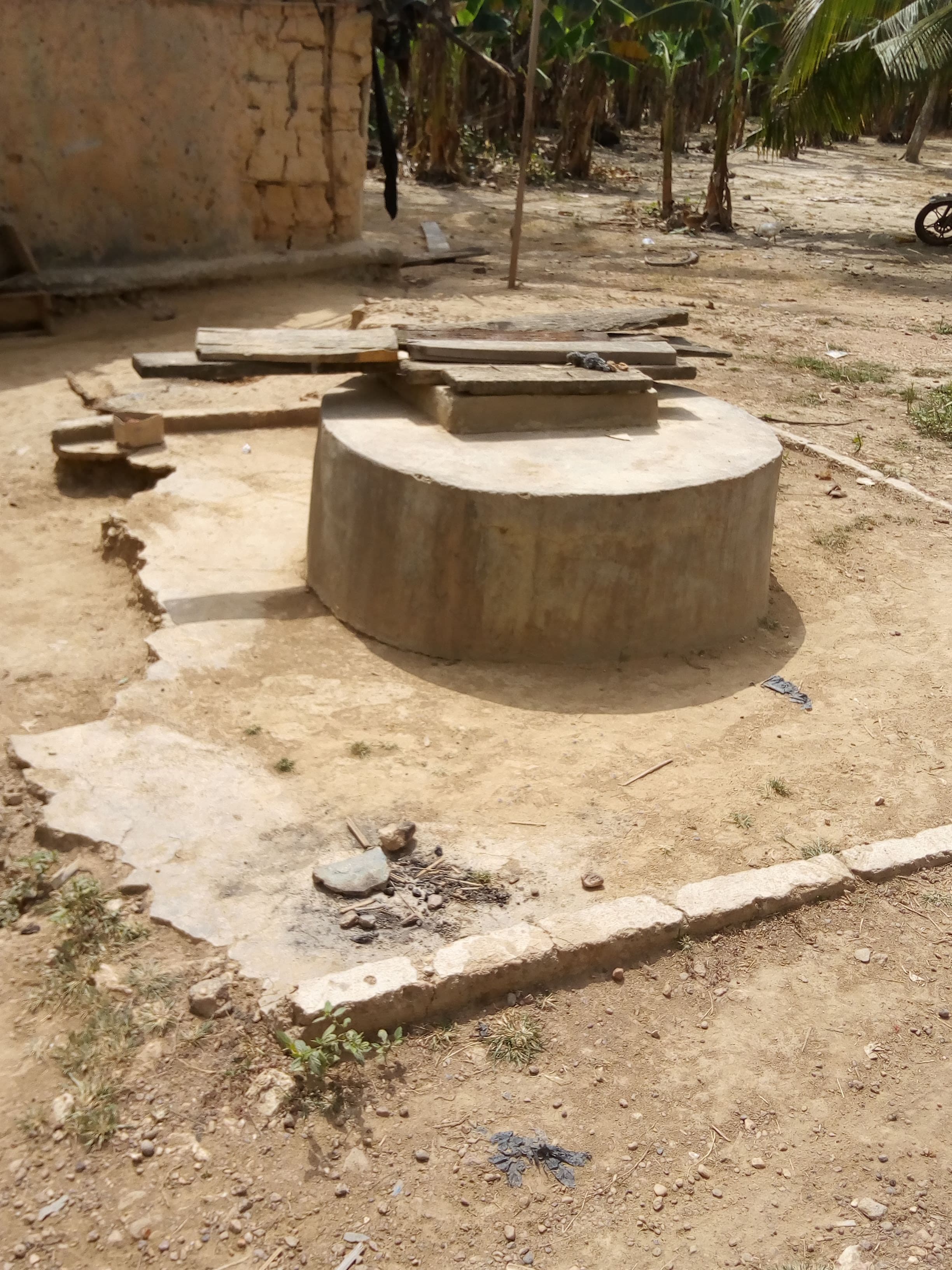
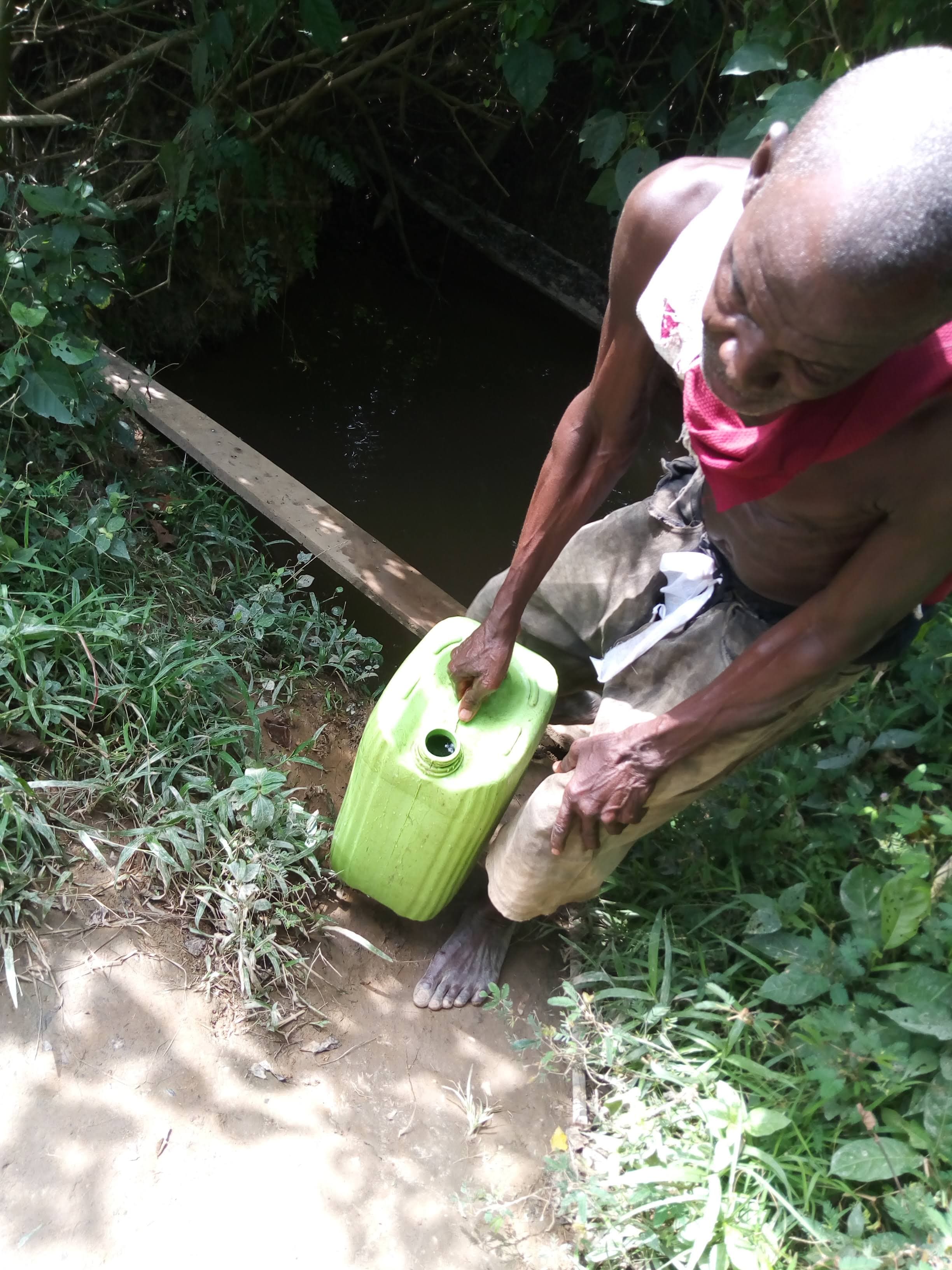
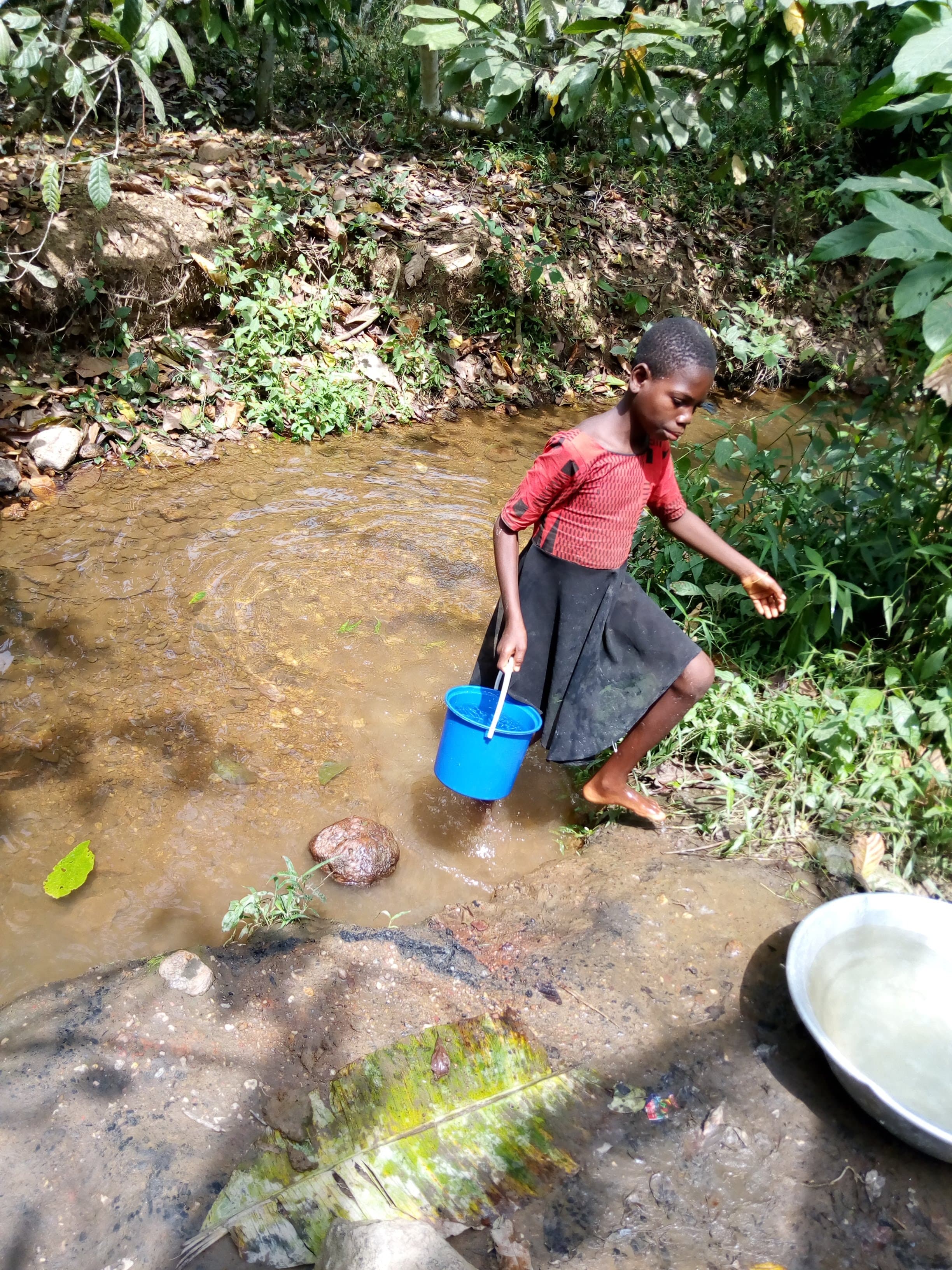
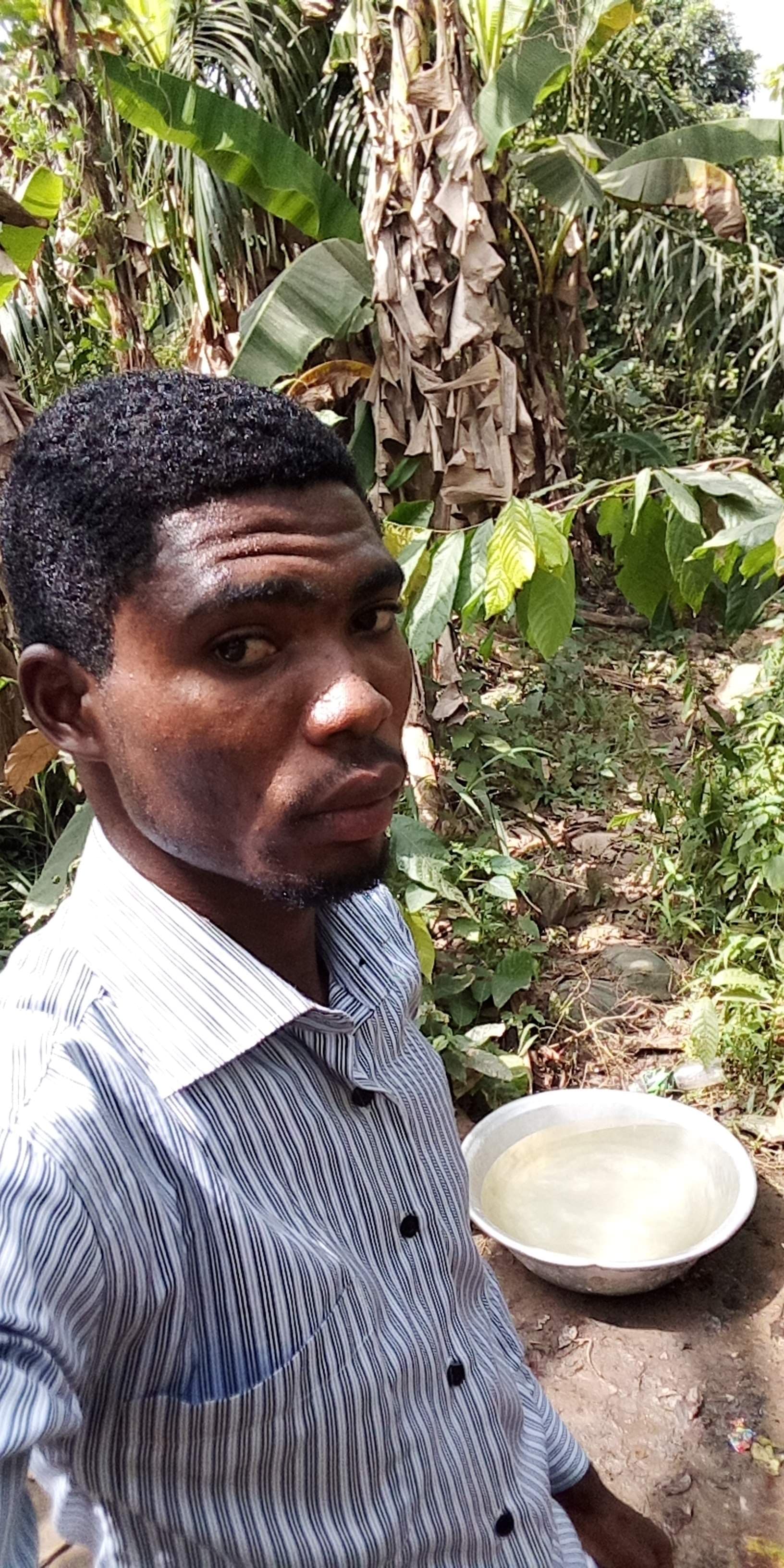
Visiting communities with no clean water.
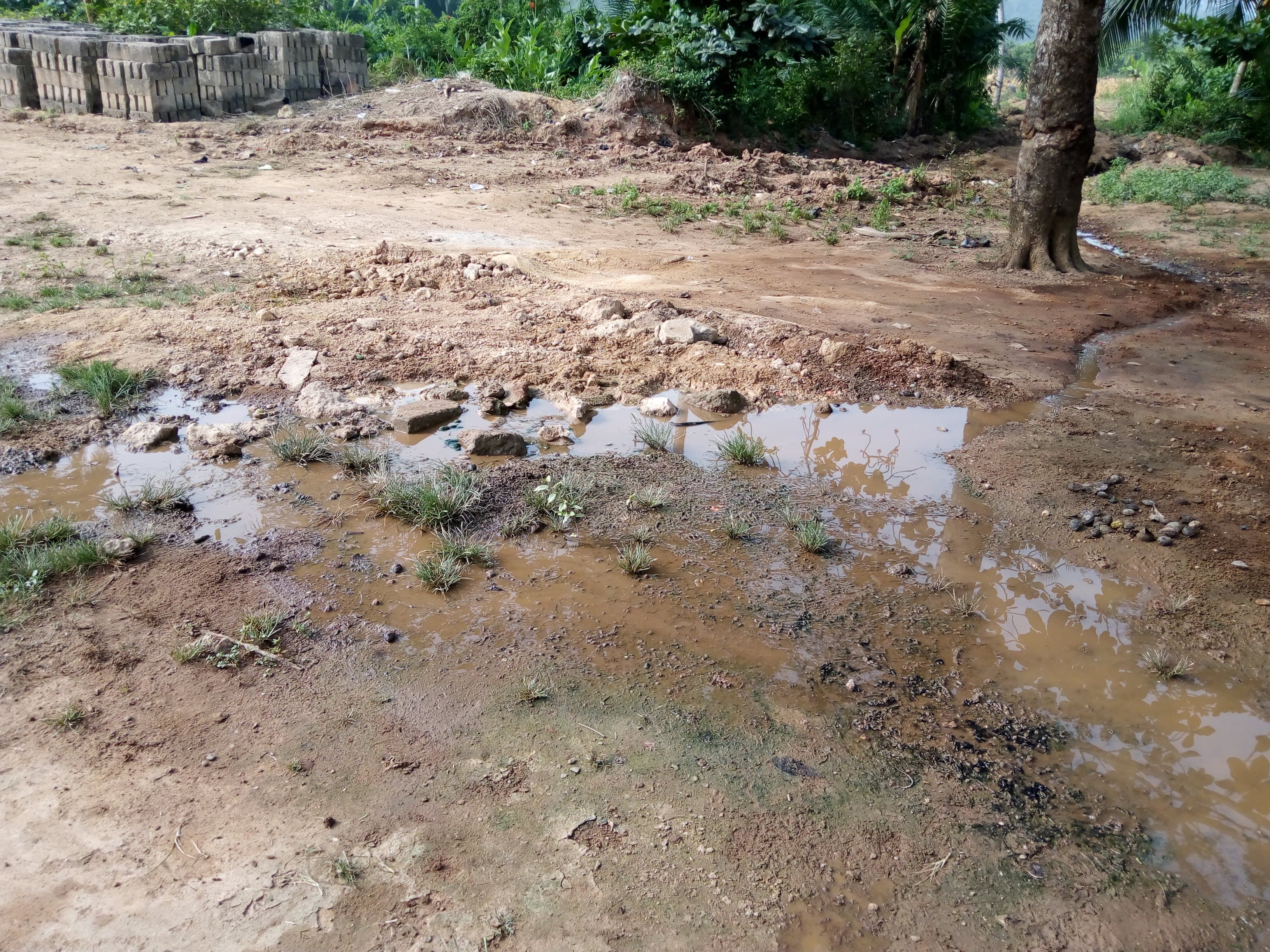
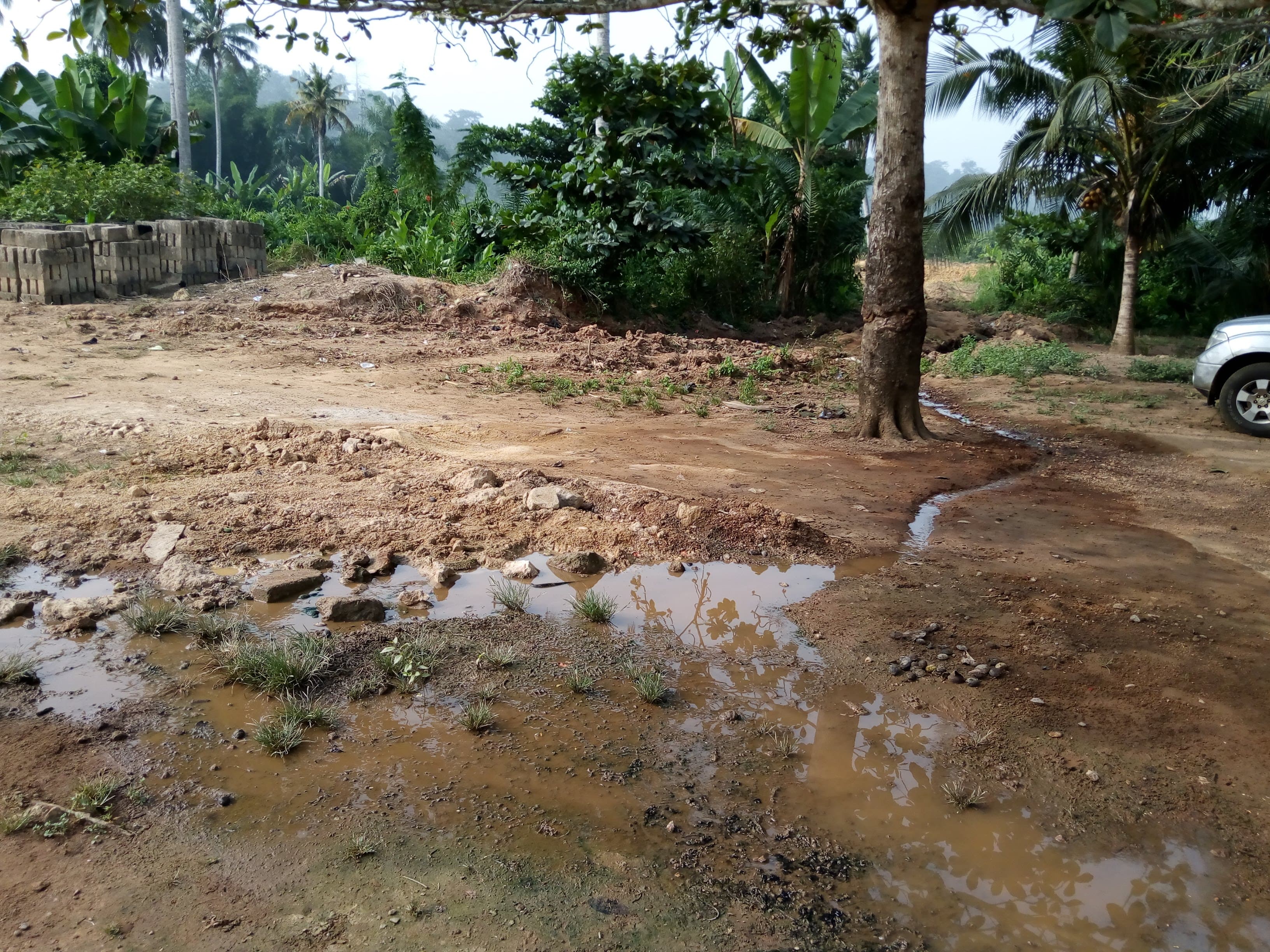
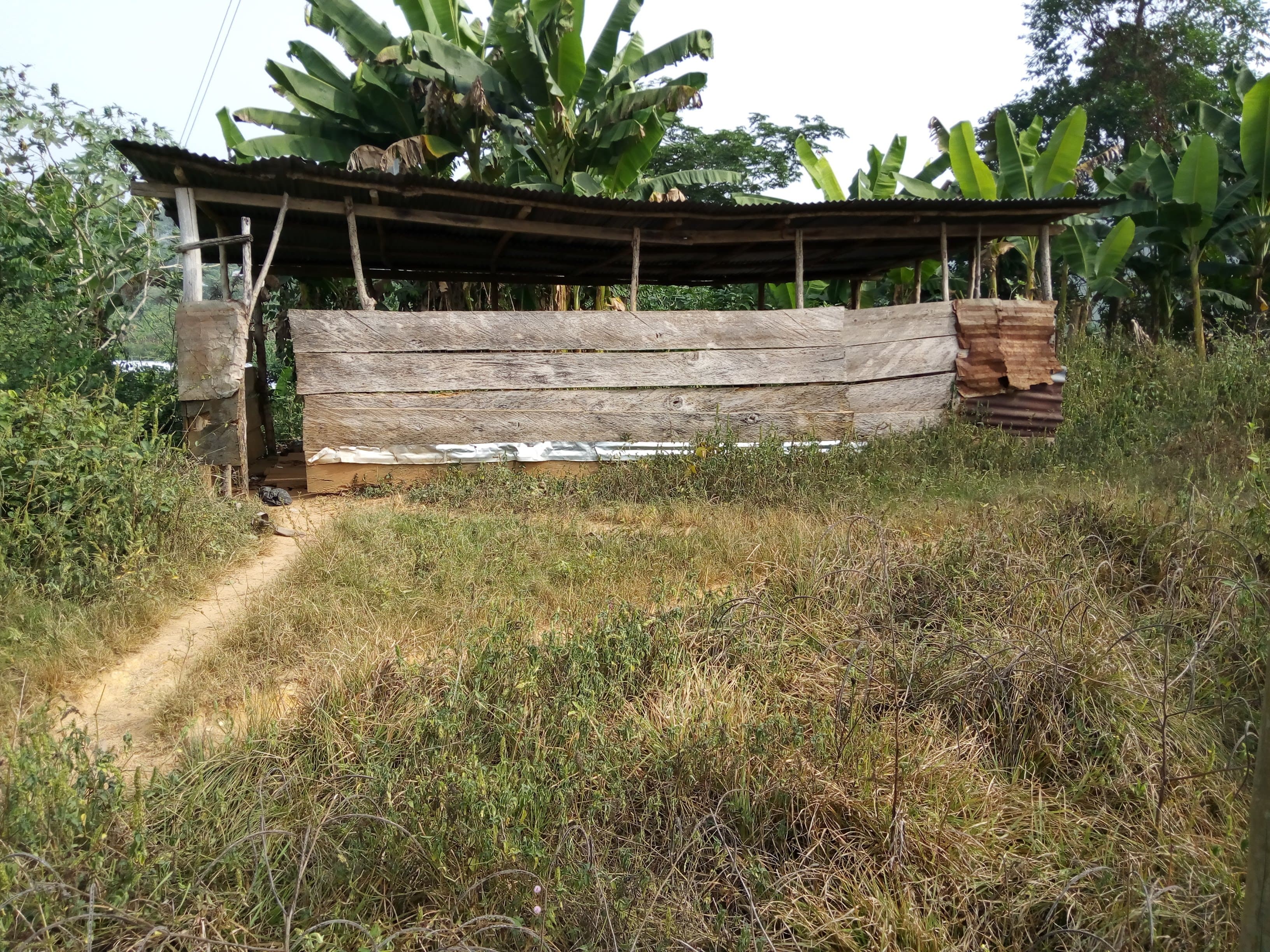
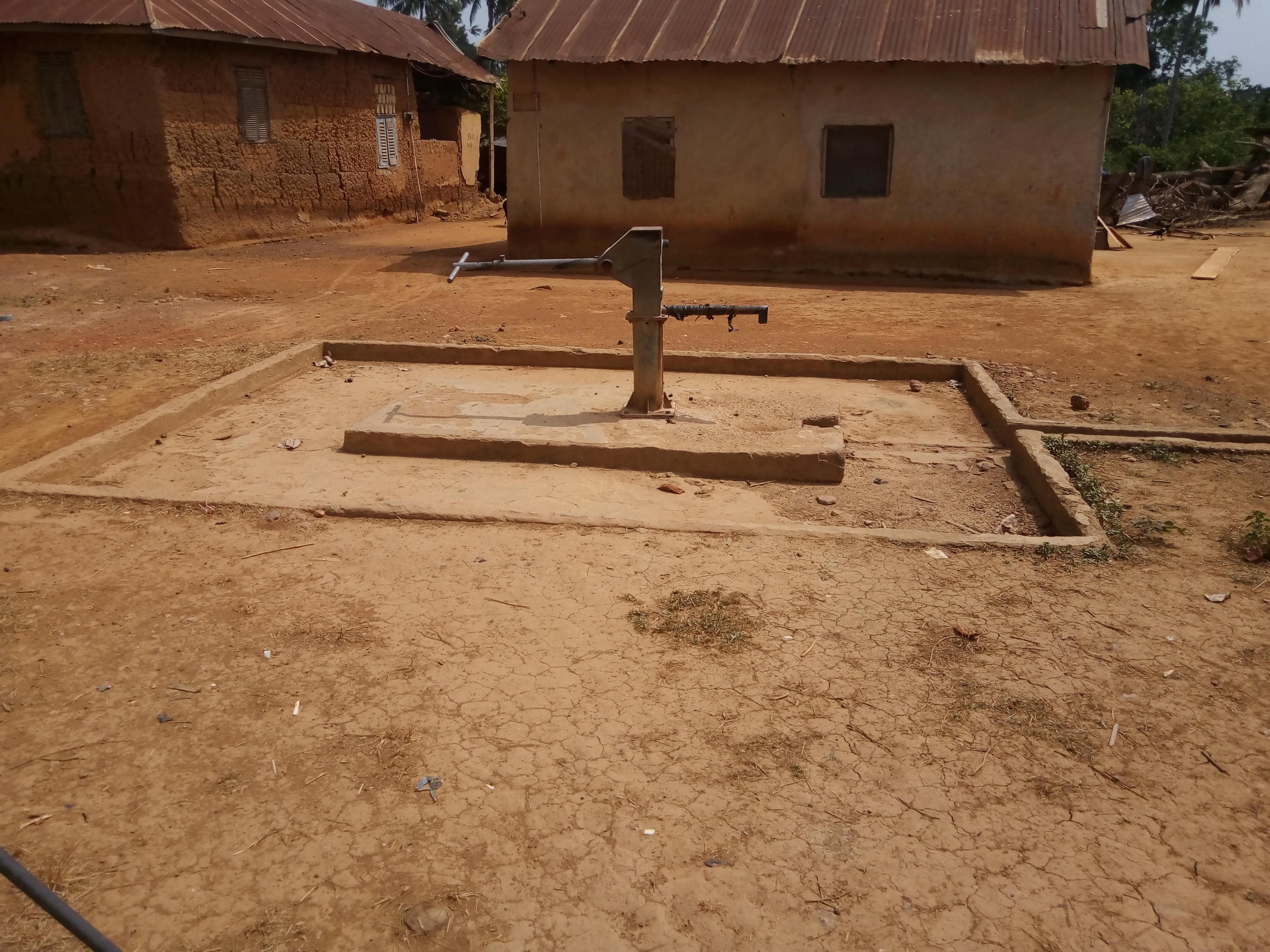
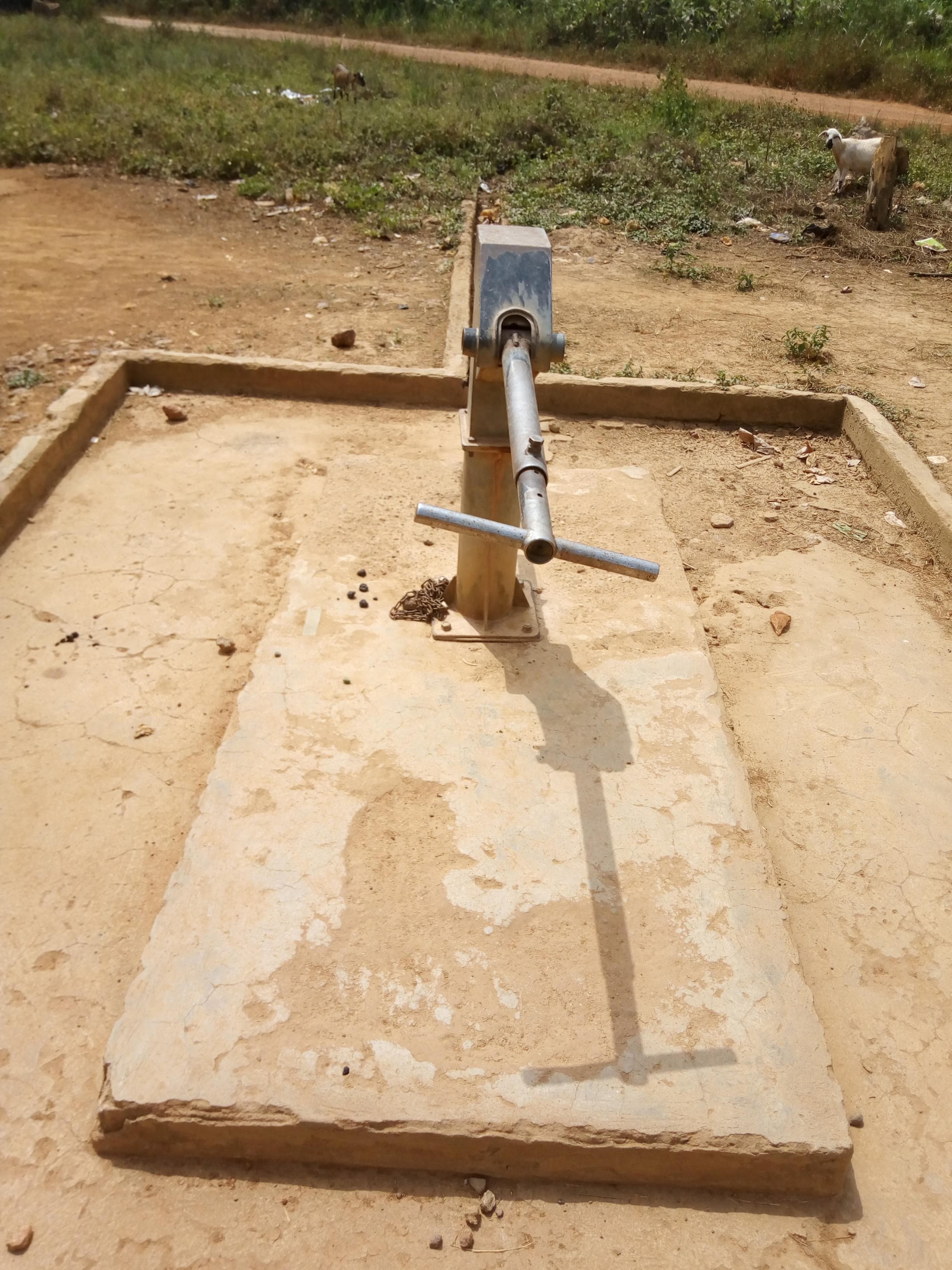
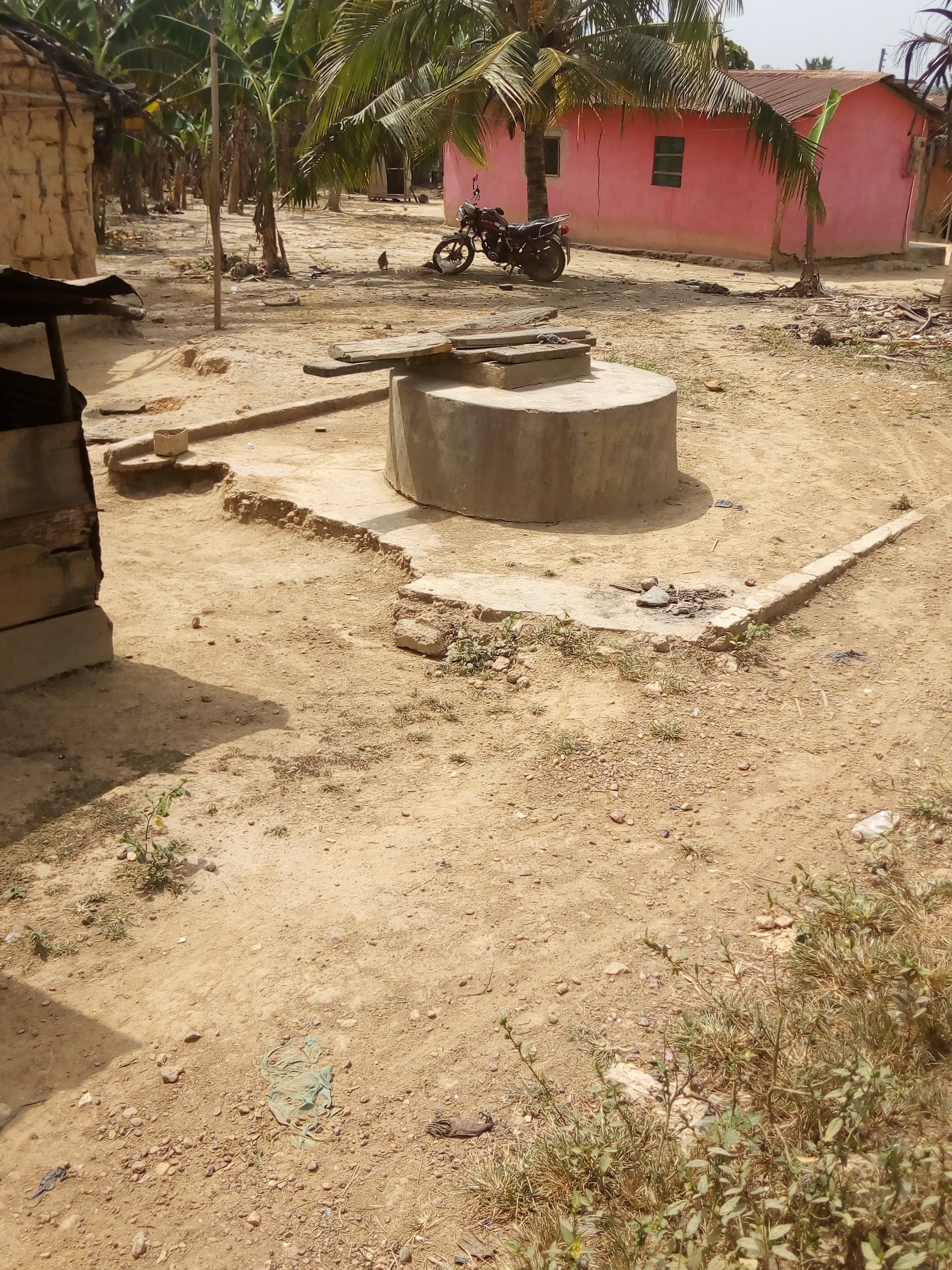
Richard visited remote communities in the Sefwi Bekwai area and the 31 surrounding communities where residents shared streams and water sources with animals, places that had never received adequate attention from district authorities. These visits were acts of documentation and advocacy: seeing and recording the reality of water access in communities that statistics miss. When Richard talks about AI for development, clean water access in the Western North Region is part of what he means.
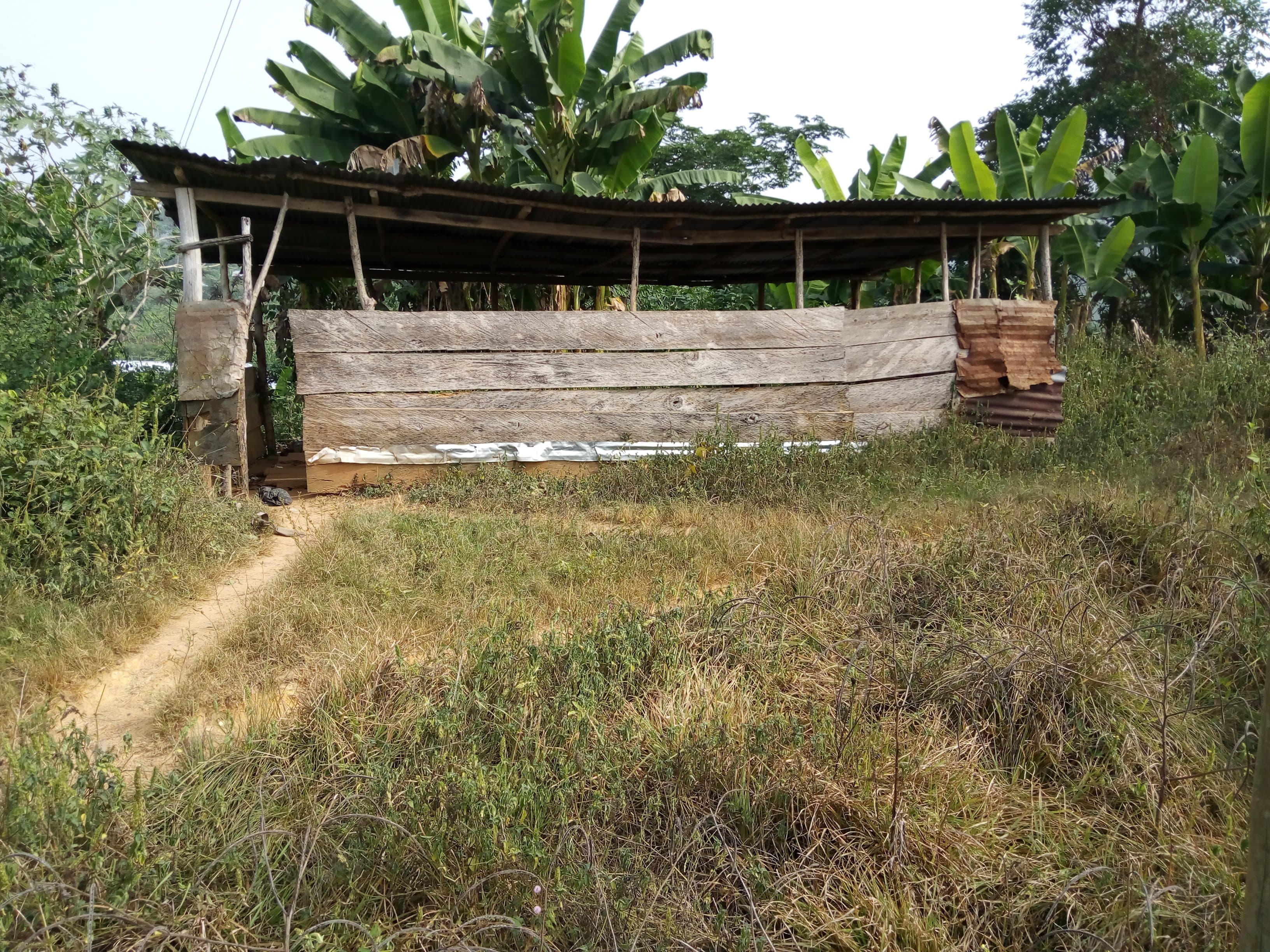
2019 · Winneba · University Level 200
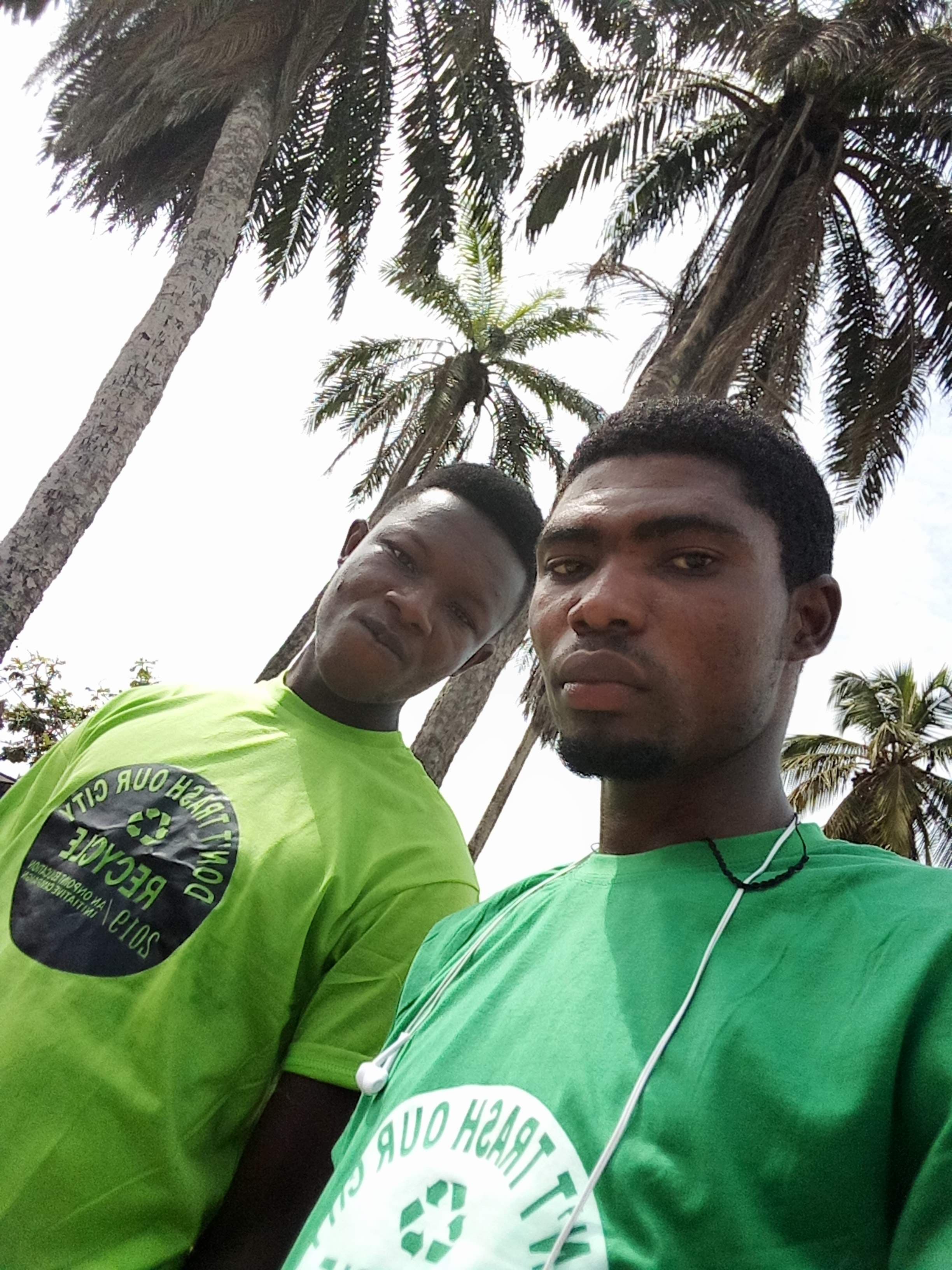
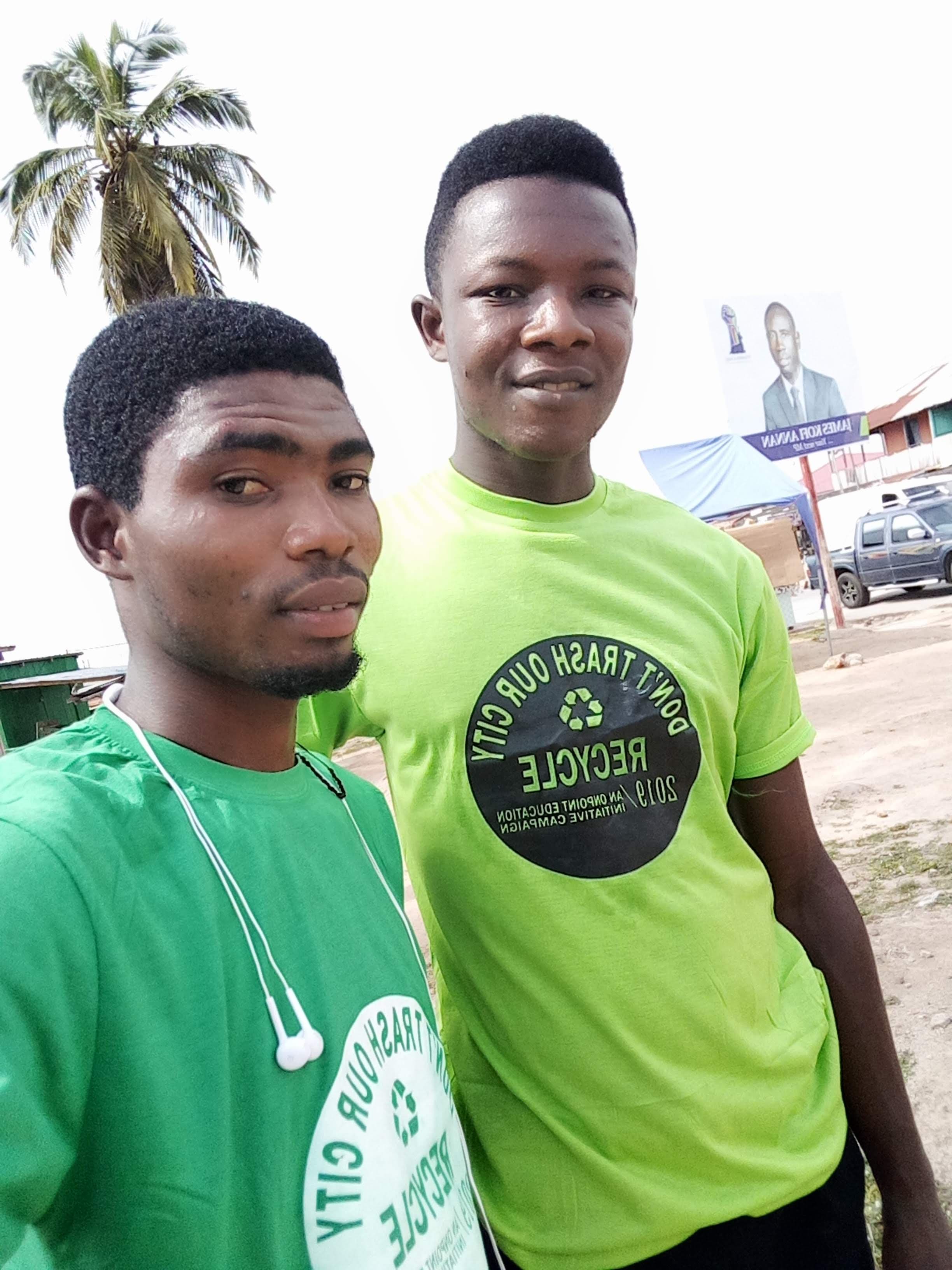
Personal sanitation volunteering in Winneba.
Even while studying at the University of Education, Winneba, Richard continued volunteering in community development, joining a sanitation exercise with his friend Enock Asiako in Winneba as a Level 200 student. This was not organised under any formal platform: it was a personal choice, made before BYM existed and before the work had a name. The pattern of showing up and doing the work preceded all the institutions Richard later built or joined.
2020 · Sefwi Bekwai · Roman Catholic Church
School outreach at Roman Church.
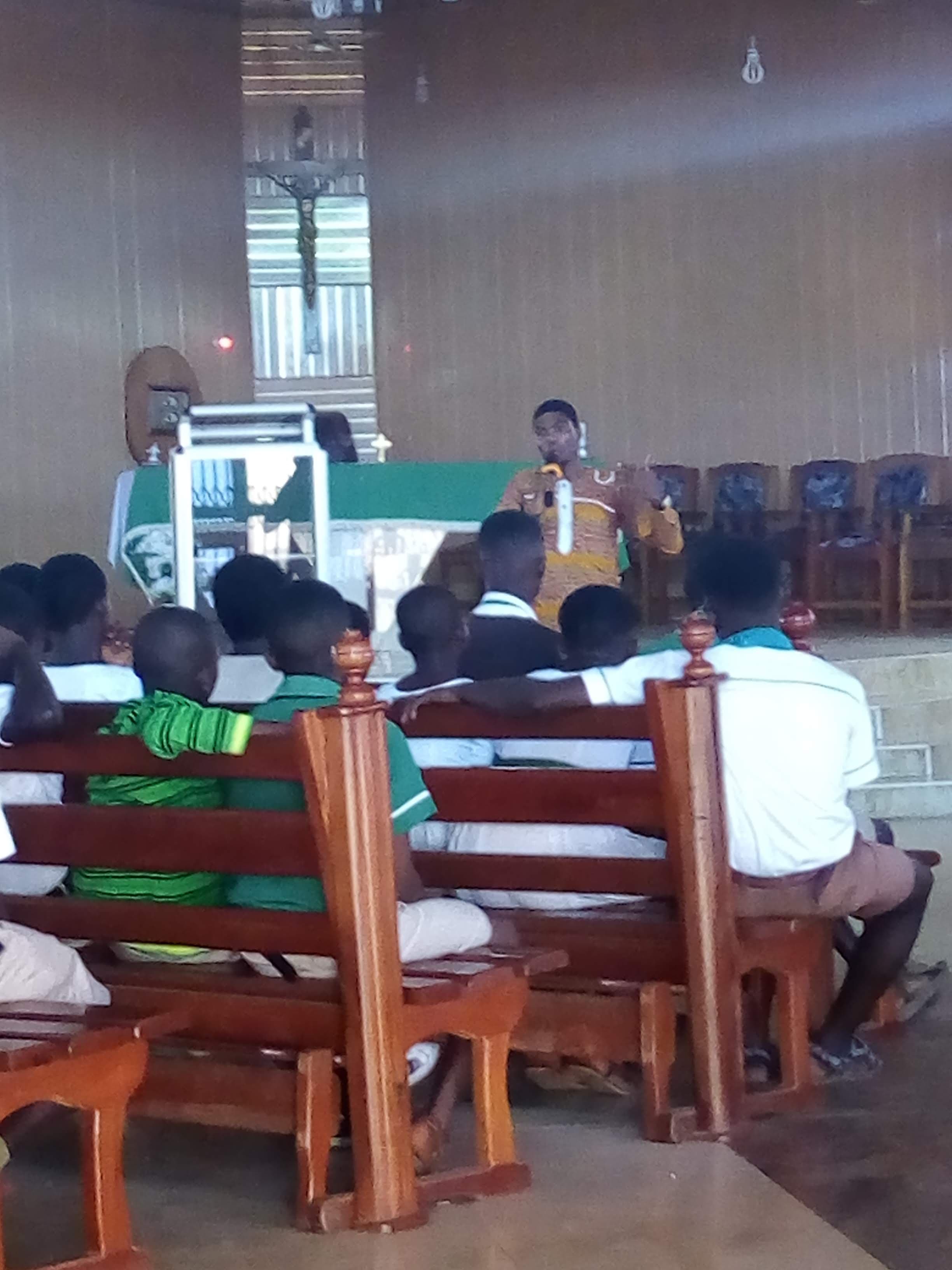
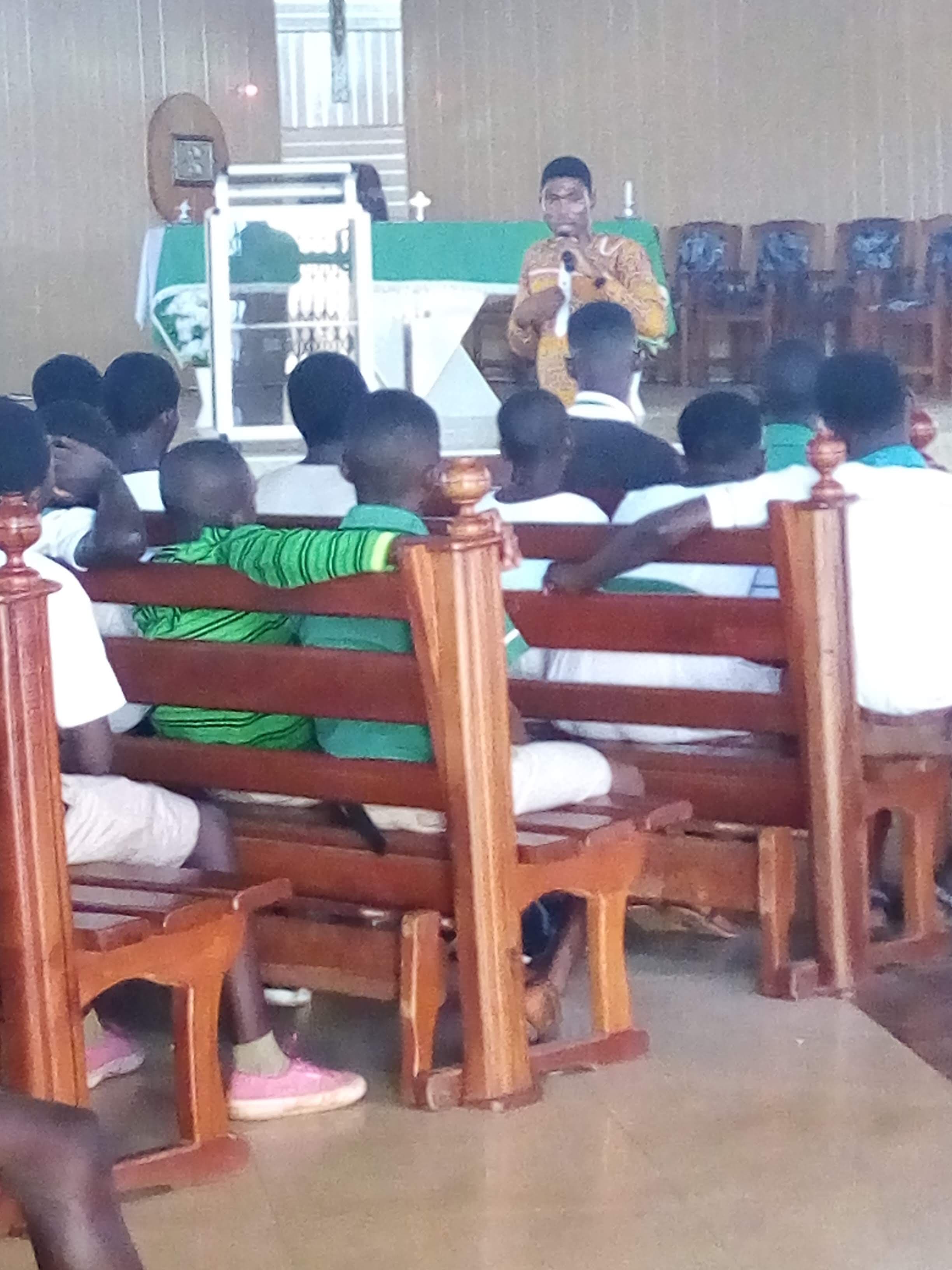
Richard volunteered at a school outreach initiative at the Roman Catholic Church in Sefwi Bekwai, empowering school children through sessions on education, aspiration, and community responsibility. Using church premises as a community learning space reflects Richard's early insight: you use the infrastructure that exists, not the infrastructure you wish you had. Every space is a classroom when the work is real.
SDG Alignment
Every initiative on this page maps directly to the UN Sustainable Development Goals, not as a retroactive label, but as a description of what the work was always about.
SDG 4
Quality Education
SDG 6
Clean Water & Sanitation
SDG 11
Sustainable Communities
SDG 3
Good Health & Wellbeing
SDG 17
Partnerships for the Goals